Hey there! As a supplier of One Way Rollers, I often get asked whether these nifty little components can be used in textile machinery. Well, let's dive right into it and explore this topic in detail.
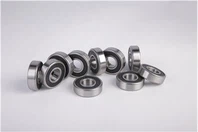
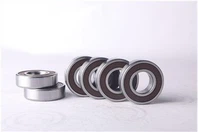
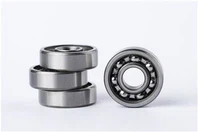
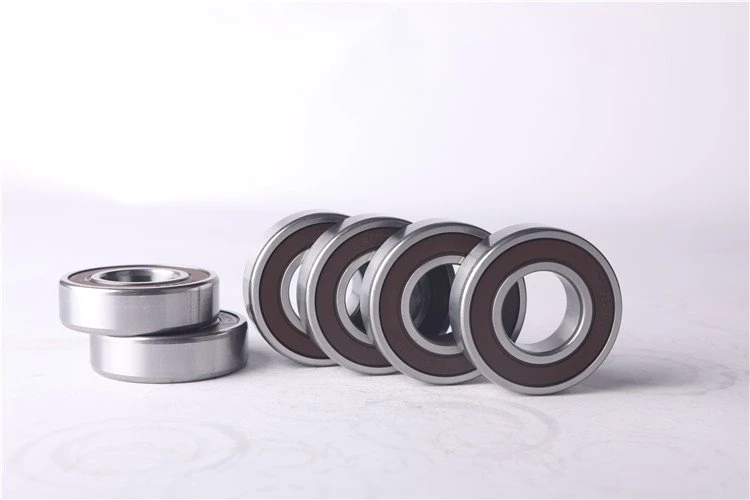
First off, what are One Way Rollers? You can learn more about them by clicking this link: One Way Roller. One Way Rollers are specialized bearings that allow rotation in one direction while preventing it in the opposite direction. They're like the traffic cops of the mechanical world, controlling the flow of movement.
Now, let's talk about textile machinery. Textile machinery is a complex beast. It involves a whole bunch of moving parts, from spinning wheels to looms, and each part has to work in harmony to produce high - quality textiles. So, can One Way Rollers fit into this intricate ecosystem? The answer is a resounding yes!
One of the key areas where One Way Rollers can be extremely useful is in the winding process. When winding yarn or fabric, you often need to ensure that the winding only occurs in one direction. If the winding goes in the wrong direction, it can lead to tangles, uneven tension, and ultimately, a poor - quality product. One Way Rollers can be installed in the winding mechanism to prevent any reverse rotation. For example, if you're using a specific model like the 6205 - ZZ, it can provide reliable one - way rotation, keeping the winding process smooth and efficient.
Another aspect of textile machinery where One Way Rollers shine is in the tension control system. Maintaining the right tension is crucial for producing consistent textiles. One Way Rollers can be used in the tensioning devices to ensure that the tension is applied in the correct direction. They can prevent the slackening of the yarn or fabric during the production process, which is essential for avoiding defects like loose threads or uneven patterns.
In the weaving process, One Way Rollers can also play a vital role. The shuttle movement in a loom needs to be precise and unidirectional in many cases. One Way Rollers can be used to control the movement of the shuttle, ensuring that it moves smoothly in the intended direction. This helps in creating a tight and well - structured weave, which is the hallmark of high - quality textiles.
Let's also consider the energy efficiency of textile machinery. One Way Rollers can contribute to better energy management. By preventing unnecessary reverse rotations, they reduce the amount of wasted energy. In a large - scale textile production facility, this can add up to significant savings over time. The reduced friction and smooth operation also mean less wear and tear on the machinery, which translates to lower maintenance costs and longer equipment lifespan.
Now, I know what you might be thinking. "Are One Way Rollers reliable enough for such a demanding application?" Well, modern One Way Rollers are designed to withstand high - speed rotations, heavy loads, and continuous use. They're made from high - quality materials that are resistant to corrosion and wear. The manufacturing processes have also advanced significantly, ensuring that the rollers have a high degree of precision and reliability.
However, it's important to choose the right One Way Roller for your specific textile machinery. Different machines have different requirements in terms of load capacity, speed, and operating environment. That's where we, as a One Way Roller supplier, come in. We have a wide range of One Way Rollers to suit various applications in textile machinery. Whether you need a small, lightweight roller for a delicate spinning machine or a heavy - duty roller for a large - scale loom, we can provide you with the perfect solution.
When you're considering using One Way Rollers in your textile machinery, there are a few things to keep in mind. First, make sure to do a proper assessment of your machinery's needs. Look at the speed of operation, the load it will be carrying, and the environmental conditions. This will help you select the most appropriate One Way Roller. Second, installation is crucial. It's important to follow the manufacturer's instructions carefully to ensure that the roller is installed correctly. A poorly installed roller can lead to premature failure and performance issues.
We also offer technical support to our customers. If you have any questions about which One Way Roller to choose, or if you need help with installation or maintenance, our team of experts is always ready to assist you. We understand the unique challenges of the textile industry, and we're committed to helping you get the most out of your One Way Rollers.
In conclusion, One Way Rollers can definitely be used in textile machinery, and they offer a host of benefits. From improving the quality of the textiles produced to enhancing energy efficiency and reducing maintenance costs, they're a valuable addition to any textile production facility. If you're interested in exploring how One Way Rollers can improve your textile machinery, we'd love to have a chat with you. Whether you're a small - scale artisanal textile producer or a large - scale industrial manufacturer, we can work with you to find the right solution.

So, if you're looking to take your textile machinery to the next level, don't hesitate to get in touch. Let's start a conversation about how One Way Rollers can revolutionize your production process.
References
- Textile Machinery Handbook: A comprehensive guide on the components and operations of textile machinery.
- Bearing Technology Journal: Articles on the latest developments in bearing technology, including One Way Rollers.