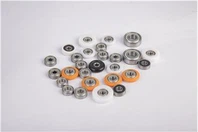
Hey there! As a supplier of Track Bearing Rollers, I've seen firsthand how crucial it is to keep these components in top - notch condition. In this blog, I'll share some practical tips on how to maintain track bearing rollers.
Understanding Track Bearing Rollers
Before we dive into maintenance, let's quickly go over what track bearing rollers are. Track bearing rollers are specialized bearings designed to handle radial loads while rolling on tracks or raceways. They're commonly used in various industrial applications, like conveyors, material handling equipment, and even in some heavy - duty machinery. You can learn more about Track Bearing Roller on our website.
Regular Inspection
One of the most important steps in maintaining track bearing rollers is regular inspection. You should visually check the rollers for any signs of wear, damage, or corrosion. Look at the outer surface, the raceway, and the rolling elements. If you notice any cracks, pitting, or excessive wear on the surface, it could be a sign that the roller needs to be replaced or serviced.
It's also a good idea to check for proper alignment. Misaligned rollers can cause uneven wear and put extra stress on the bearing. You can use alignment tools to ensure that the rollers are perfectly in line with the track. This not only extends the life of the roller but also improves the overall efficiency of the machinery.
Lubrication
Lubrication is key when it comes to maintaining track bearing rollers. The right lubricant reduces friction between the rolling elements and the raceway, which in turn minimizes wear and heat generation. You need to choose a lubricant that's suitable for the specific operating conditions of the roller. For example, if the roller is operating in a high - temperature environment, you'll need a high - temperature lubricant.
The frequency of lubrication depends on several factors, such as the speed of operation, the load on the roller, and the type of lubricant used. In general, it's a good practice to follow the manufacturer's recommendations. However, if you notice that the roller is starting to make unusual noises or the temperature is rising, it might be a sign that it's time to lubricate.
When applying lubricant, make sure to do it evenly. You can use a grease gun or an automatic lubrication system, depending on the setup. And don't forget to clean the roller before applying new lubricant to remove any old grease or contaminants.
Cleaning
Cleaning the track bearing rollers is just as important as lubrication. Over time, dirt, dust, and debris can accumulate on the surface of the roller, which can cause abrasion and damage. You should clean the rollers regularly using a suitable cleaning agent.
First, remove any loose dirt or debris with a soft brush. Then, soak a clean cloth in the cleaning agent and gently wipe the surface of the roller. Avoid using abrasive materials that could scratch the surface. After cleaning, make sure to dry the roller thoroughly before applying new lubricant.
Handling and Storage
Proper handling and storage of track bearing rollers can also have a big impact on their lifespan. When handling the rollers, always use clean gloves to prevent dirt and oil from your hands from getting on the surface. Avoid dropping or hitting the rollers, as this can cause internal damage.
When it comes to storage, keep the rollers in a clean, dry, and temperature - controlled environment. If possible, store them in their original packaging to protect them from dust and moisture. If you need to store them for a long time, you might want to apply a thin layer of protective grease to prevent corrosion.
Monitoring Performance
Monitoring the performance of the track bearing rollers is an ongoing process. You can use various sensors and monitoring tools to keep an eye on factors like temperature, vibration, and noise. An increase in temperature or abnormal vibration could be a sign of a problem, such as misalignment, lack of lubrication, or wear.
By regularly monitoring the performance, you can detect issues early and take corrective action before they turn into major problems. This can save you a lot of time and money in the long run.
Training and Education
If you're part of a team that uses track bearing rollers, it's important to provide proper training and education. Make sure that everyone who handles or operates the machinery knows how to maintain the rollers correctly. This includes understanding the importance of inspection, lubrication, cleaning, and proper handling.
Training can also help your team identify potential problems early and take the right steps to address them. You can organize in - house training sessions or provide access to online resources.


Troubleshooting Common Issues
Even with proper maintenance, you might still encounter some common issues with track bearing rollers. For example, if the roller is making a squeaking noise, it could be a sign of insufficient lubrication. In this case, you can try adding more lubricant.
If the roller is experiencing excessive wear, misalignment could be the culprit. You'll need to check the alignment and make the necessary adjustments. And if you notice any signs of corrosion, it might be due to improper storage or exposure to a harsh environment. In this situation, you should clean the roller and apply a protective coating.
Collaboration with Suppliers
As a Track Bearing Roller supplier, I encourage you to collaborate closely with your suppliers. We can provide you with the latest information on the best maintenance practices, as well as offer technical support. If you have any questions about a specific roller or need advice on maintenance, don't hesitate to reach out. We're here to help you get the most out of your track bearing rollers.
Conclusion
Maintaining track bearing rollers isn't rocket science, but it does require a bit of attention and effort. By following these tips, you can ensure that your rollers last longer, perform better, and keep your machinery running smoothly.
If you're in the market for high - quality track bearing rollers or need more information on maintenance, we're just a click away. Reach out to us for procurement and let's start a conversation about how we can meet your needs.
References
- Manufacturer's guidelines for track bearing rollers
- Industry best practices for bearing maintenance
- Technical literature on roller bearings