Hey there! As a supplier of Bearing 6001ZZ, I often get asked if this little fella can handle a high - humidity environment. Let's dig into this topic and find out the ins and outs.
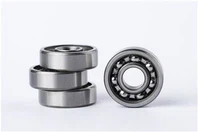
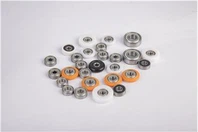
First off, let's get to know the Bearing 6001ZZ a bit better. The Bearing 6001ZZ is a type of small ball bearing. It belongs to the category of Small Bearings, which are widely used in various applications due to their compact size and relatively high performance.
In a high - humidity environment, there are several factors that can pose challenges to bearings. The most obvious one is corrosion. When there's a lot of moisture in the air, the metal parts of the bearing are at risk of rusting. Rust can damage the smooth surface of the bearing, leading to increased friction, reduced efficiency, and ultimately, a shorter lifespan.
The Bearing 6001ZZ has a double - shielded design (the "ZZ" in its name indicates double - metal shields). These shields are supposed to protect the internal components of the bearing from contaminants, including dust and moisture to some extent. But how well do they hold up in a high - humidity situation?
Well, it depends on a few things. If the humidity is just moderately high, say around 60 - 70% relative humidity, and the bearing is installed in a well - sealed system, the shields can do a decent job. They can prevent a large amount of moisture from getting inside the bearing. However, if the humidity is extremely high, like above 90% relative humidity, or if the bearing is exposed directly to water (for example, in a wet - washdown area), the shields might not be enough.
Another factor to consider is the lubricant inside the bearing. Lubrication is crucial for the proper functioning of the bearing. In a high - humidity environment, the lubricant can absorb moisture, which can cause it to break down over time. When the lubricant breaks down, it loses its ability to reduce friction and protect the metal surfaces. Some lubricants are more resistant to moisture than others. For the Bearing 6001ZZ, if it's going to be used in a high - humidity environment, it's a good idea to choose a moisture - resistant lubricant.
Now, let's compare the Bearing 6001ZZ with another popular small bearing, the Bearing 6200. The 6200 has a slightly larger size and different load - carrying capacity compared to the 6001ZZ. In terms of handling high - humidity, similar principles apply. But depending on the specific application and the level of humidity, one might be a better choice than the other.
If you're using the Bearing 6001ZZ in a high - humidity environment, there are some preventive measures you can take. First, make sure the installation area is as dry as possible. You can use dehumidifiers if necessary. Second, consider using a corrosion - resistant coating on the bearing. There are special coatings available that can provide an extra layer of protection against rust. Third, regularly inspect the bearing for signs of corrosion or wear. If you notice any problems early on, you can take corrective actions before they get worse.
In some cases, the Bearing 6001ZZ can work in a high - humidity environment, but you need to be aware of the potential risks and take appropriate precautions. It's not a one - size - fits - all situation. Each application is unique, and you need to evaluate the specific conditions and requirements.
So, if you're in the market for bearings and are wondering if the Bearing 6001ZZ is right for your high - humidity application, don't hesitate to reach out. We can have a detailed discussion about your needs and figure out the best solution. Whether it's adjusting the lubricant, adding a coating, or choosing a different type of bearing altogether, we're here to help you make the right decision.
If you're interested in learning more about the Bearing 6001ZZ or other small bearings, feel free to contact us. We're happy to provide more information and assist you in your purchasing decision. Let's work together to find the perfect bearing for your high - humidity environment.
References


- "Handbook of Bearings: Design, Selection, and Application"
- Technical documentation from bearing manufacturers