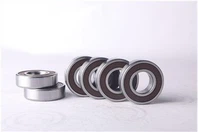
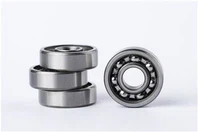
As a supplier of One Way Rollers, I understand the importance of proper tension adjustment for ensuring optimal performance and longevity of these crucial components. In this blog, I'll share some detailed insights on how to adjust the tension of a One Way Roller, drawing from my experience in the industry.

Understanding One Way Rollers
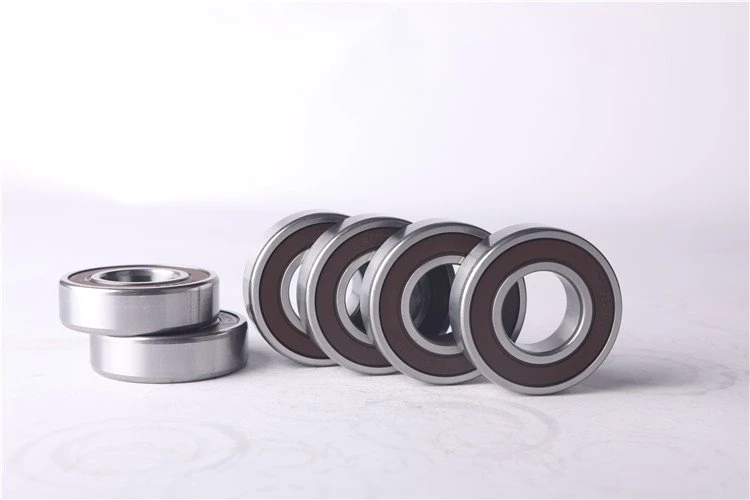
Before delving into the tension adjustment process, it's essential to have a basic understanding of One Way Rollers. A One Way Roller is a specialized type of bearing that allows rotation in one direction while preventing it in the opposite direction. This functionality is widely used in various mechanical systems, such as automotive transmissions, industrial machinery, and power tools. The correct tension of the One Way Roller is vital for its proper operation. If the tension is too loose, the roller may not engage effectively, leading to slippage and reduced performance. On the other hand, if the tension is too tight, it can cause excessive wear on the components, increase friction, and even lead to premature failure.
Tools Required for Tension Adjustment
Here is a list of tools that you'll typically need to adjust the tension of a One Way Roller:
- Wrenches: Depending on the design of the One Way Roller assembly, you'll need appropriate wrenches to loosen and tighten the bolts or nuts holding the components in place.
- Screwdrivers: Phillips or flat - head screwdrivers may be required to access and adjust certain parts of the assembly.
- Feeler Gauges: These are used to measure the clearance between the roller and other components, which is an important factor in determining the tension.
- Torque Wrench: To ensure that the bolts are tightened to the correct torque specification, a torque wrench is essential. Over - or under - tightening can affect the tension and the overall performance of the One Way Roller.
Steps to Adjust the Tension of a One Way Roller
- Inspect the One Way Roller Assembly
- Before starting the tension adjustment, it's crucial to inspect the entire One Way Roller assembly. Check for any signs of damage, such as cracks, worn - out surfaces, or loose components. If you notice any issues, it's advisable to replace the damaged parts before proceeding with the tension adjustment.
- Clean the assembly thoroughly to remove any dirt, debris, or old lubricant. This will help you get an accurate measurement and ensure smooth operation during the adjustment process.
- Locate the Tension Adjustment Points
- Different One Way Roller designs may have different locations for tension adjustment. In some cases, there may be an adjustable nut or bolt that can be turned to increase or decrease the tension. In other designs, there may be a spring - loaded mechanism that can be adjusted.
- Refer to the manufacturer's documentation or technical specifications to identify the exact location of the tension adjustment points. This will ensure that you make the correct adjustments without causing any damage to the assembly.
- Measure the Initial Tension
- Use a feeler gauge to measure the clearance between the roller and the inner or outer race, depending on the design. This measurement will give you an idea of the current tension of the One Way Roller.
- Compare the measured clearance with the manufacturer's recommended specifications. If the clearance is outside the recommended range, you'll need to adjust the tension accordingly.
- Adjust the Tension
- If the tension is too loose (i.e., the clearance is too large), you'll need to increase the tension. This can usually be done by tightening the adjustment nut or bolt. Make small adjustments gradually and re - measure the clearance after each adjustment.
- If the tension is too tight (i.e., the clearance is too small), you'll need to decrease the tension. Loosen the adjustment nut or bolt in small increments and re - measure the clearance until it falls within the recommended range.
- During the adjustment process, it's important to rotate the One Way Roller slowly to ensure that it moves smoothly and that the tension is evenly distributed.
- Tighten the Locking Components
- Once you've adjusted the tension to the correct level, tighten the locking components, such as locknuts or set screws, to prevent the tension from changing during operation.
- Use a torque wrench to tighten the locking components to the manufacturer's specified torque value. This will ensure that they are secured properly without over - tightening.
- Test the One Way Roller
- After completing the tension adjustment and tightening the locking components, perform a test run of the One Way Roller. Rotate the roller in both the allowed and blocked directions to check if it functions correctly.
- Listen for any unusual noises, such as grinding or rattling, and feel for any excessive resistance. If you notice any problems, re - check the tension adjustment and make any necessary corrections.
Common Issues and Solutions During Tension Adjustment
- Difficulty in Turning the Adjustment Nut or Bolt
- If you encounter difficulty in turning the adjustment nut or bolt, it may be due to corrosion or debris buildup. In this case, clean the affected area thoroughly and apply a suitable lubricant to ease the movement.
- If the problem persists, it's possible that the adjustment mechanism is damaged. In such a situation, you may need to replace the damaged parts.
- Inconsistent Tension
- Inconsistent tension can occur if the adjustment is not made evenly or if there are worn - out components in the assembly. Check for any signs of wear on the roller, races, or other parts, and replace them if necessary.
- Make sure to follow the adjustment steps carefully and re - measure the clearance at multiple points around the One Way Roller to ensure consistent tension.
- Excessive Wear After Tension Adjustment
- If you notice excessive wear on the One Way Roller or other components after tension adjustment, it may be because the tension was set too tight. Re - check the tension and adjust it to the correct level.
- Also, ensure that the assembly is properly lubricated, as insufficient lubrication can also cause excessive wear.
Importance of Using Quality One Way Rollers
As a supplier, I always emphasize the importance of using high - quality One Way Rollers. Inferior - quality rollers may not be designed to withstand the required tension levels and may wear out quickly, leading to frequent breakdowns and costly repairs. For example, our 6205 - ZZ One Way Rollers are made from high - grade materials and undergo strict quality control procedures during the manufacturing process. This ensures that they have the necessary strength, durability, and precision to provide reliable performance even under harsh operating conditions.
Conclusion
Adjusting the tension of a One Way Roller is a critical process that requires precision and attention to detail. By following the steps outlined in this blog and using the appropriate tools, you can ensure that your One Way Rollers are operating at their optimal performance levels. If you have any questions or need further assistance with One Way Roller tension adjustment or if you're interested in purchasing high - quality One Way Rollers for your applications, please feel free to contact us for more information and to discuss your procurement needs.
References
- Manufacturer's technical documentation for One Way Rollers.
- Industry - standard mechanical engineering textbooks on bearing design and maintenance.