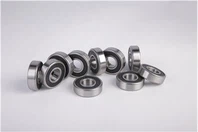
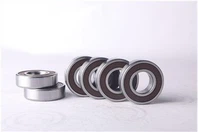
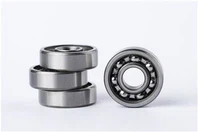
Bearing 6203llu is a widely used component in various mechanical and industrial applications. As a supplier of Bearing 6203llu, I'm often asked about the function of the seal in this particular bearing. In this blog, I'll delve into the details of the seal's role, its importance, and how it contributes to the overall performance of Bearing 6203llu.
Understanding Bearing 6203llu
Before we discuss the seal, it's essential to have a basic understanding of Bearing 6203llu itself. Bearing 6203llu is a small - sized roller bearing, which falls into the category of deep groove ball bearings. These bearings are designed to support radial and axial loads in both directions, making them suitable for a wide range of applications, from small electric motors to automotive components. You can find more information about Bearing 6203llu on our website Bearing 6203llu.
The Role of the Seal in Bearing 6203llu
The seal in Bearing 6203llu serves several crucial functions that are vital for the bearing's performance and longevity.
1. Contamination Prevention
One of the primary functions of the seal is to prevent contaminants from entering the bearing. In industrial environments, bearings are often exposed to dust, dirt, moisture, and other foreign particles. If these contaminants enter the bearing, they can cause abrasion, corrosion, and premature wear of the bearing components. For example, dust particles can act as abrasives between the rolling elements and the raceways, increasing friction and reducing the bearing's efficiency. The seal acts as a barrier, keeping these harmful substances out and ensuring that the bearing operates in a clean environment.
2. Lubricant Retention
Bearing 6203llu requires proper lubrication to reduce friction, dissipate heat, and prevent wear. The seal helps to retain the lubricant within the bearing. Lubricants such as grease or oil can gradually leak out of the bearing over time, especially under high - speed or high - temperature conditions. The seal minimizes this leakage, ensuring that the bearing always has an adequate supply of lubricant. This not only extends the bearing's service life but also maintains its performance at an optimal level.
3. Protection Against Moisture
Moisture is a significant threat to bearings as it can cause corrosion of the bearing components. In applications where the bearing is exposed to water or high humidity, such as in marine or food processing industries, the seal plays a crucial role in preventing moisture from entering the bearing. By keeping the interior of the bearing dry, the seal helps to prevent rust and corrosion, which can lead to bearing failure.
Types of Seals in Bearing 6203llu
There are different types of seals used in Bearing 6203llu, each with its own characteristics and advantages.
1. Rubber Seals
Rubber seals are commonly used in Bearing 6203llu. They are made of elastomeric materials such as nitrile rubber (NBR) or fluoroelastomer (FKM). Rubber seals provide excellent sealing performance against dust, dirt, and moisture. They have good flexibility, which allows them to conform to the shape of the bearing and provide a tight seal. Additionally, rubber seals can withstand a certain degree of axial and radial movement without losing their sealing ability.
2. Metal - Reinforced Seals
Metal - reinforced seals consist of a rubber sealing lip supported by a metal plate. The metal plate provides additional strength and rigidity to the seal, making it more resistant to deformation and wear. Metal - reinforced seals are suitable for applications where the bearing is subjected to high - speed rotation or heavy loads. They can provide a reliable seal even under challenging conditions.
Impact of Seal Quality on Bearing Performance
The quality of the seal has a significant impact on the performance and service life of Bearing 6203llu. High - quality seals are designed to meet strict standards, ensuring effective contamination prevention and lubricant retention. They are made from high - quality materials that can withstand the harsh operating conditions of the bearing.
On the other hand, low - quality seals may not provide adequate sealing, leading to premature bearing failure. For example, a poorly designed or manufactured seal may allow contaminants to enter the bearing, causing rapid wear and reducing the bearing's efficiency. Additionally, low - quality seals may degrade quickly over time, losing their sealing ability and allowing lubricant to leak out.


Applications of Bearing 6203llu with Seals
The use of Bearing 6203llu with seals makes it suitable for a variety of applications. In the automotive industry, these bearings are used in wheel hubs, transmissions, and electric motors. The seals protect the bearings from road dust, water, and other contaminants, ensuring reliable operation.
In the industrial machinery sector, Bearing 6203llu is used in conveyor systems, pumps, and small - scale manufacturing equipment. The seals help to maintain the lubrication and prevent contamination, which is essential for the smooth operation of these machines. You can also explore other small rollers with bearings on our website Small Rollers with Bearings. And if you are specifically interested in 20mm roller bearings, 20mm Roller Bearing provides more detailed information.
Importance of Regular Maintenance
Even with the protection provided by the seals, regular maintenance of Bearing 6203llu is still necessary. This includes inspecting the seals for any signs of damage or wear, checking the lubricant level, and cleaning the bearing if necessary. By performing regular maintenance, you can identify and address any potential issues before they lead to bearing failure.
Conclusion
In conclusion, the seal in Bearing 6203llu plays a vital role in preventing contamination, retaining lubricant, and protecting against moisture. The type and quality of the seal can significantly impact the bearing's performance and service life. As a supplier of Bearing 6203llu, we understand the importance of these seals and offer high - quality products to meet the needs of our customers.
If you are in the market for Bearing 6203llu or have any questions about our products, we encourage you to contact us for procurement and further discussion. We are committed to providing you with the best solutions for your bearing needs.
References
- Harris, T. A., & Kotzalas, M. N. (2007). Rolling Bearing Analysis. Wiley.
- Zorzi, C., & Palazzolo, A. B. (2012). Handbook of Rotordynamics. Springer.