Can One Way Rollers be used in heavy - duty machinery?
In the world of industrial machinery, the choice of components can make or break the efficiency, reliability, and longevity of the equipment. As a supplier of One Way Rollers, I often encounter inquiries about the suitability of these components for heavy - duty machinery. In this blog post, I will delve into the technical aspects, advantages, and limitations of using One Way Rollers in heavy - duty applications.
Understanding One Way Rollers
One Way Rollers, also known as one - way clutches or overrunning clutches, are mechanical devices that allow rotation in one direction while preventing it in the opposite direction. They consist of a series of rollers housed within a cage and placed between an inner and outer race. When the inner race rotates in the free - wheeling direction, the rollers are positioned in such a way that they do not engage, allowing smooth rotation. However, when the inner race tries to rotate in the opposite direction, the rollers wedge between the races, locking them together and transmitting torque.
The One Way Roller technology has been around for a long time and has been used in a wide range of applications, from automotive starters to conveyor systems. But the question remains: can they handle the extreme demands of heavy - duty machinery?
Technical Considerations for Heavy - Duty Applications
Heavy - duty machinery, such as mining equipment, construction machinery, and large - scale manufacturing plants, operates under harsh conditions. These conditions include high loads, high speeds, extreme temperatures, and exposure to dust, dirt, and moisture. To determine if One Way Rollers can be used in such applications, we need to consider several technical factors.

Load Capacity
One of the most critical factors in heavy - duty machinery is the load capacity of the components. One Way Rollers are designed to handle a certain amount of radial and axial loads. In heavy - duty applications, the loads can be significantly higher than in standard applications. Manufacturers of One Way Rollers use advanced materials and precision manufacturing techniques to increase the load - carrying capacity of their products. For example, high - strength steels are often used for the races and rollers, and heat - treatment processes are employed to enhance the hardness and durability of the components.
However, it is essential to carefully calculate the expected loads in the heavy - duty machinery and select One Way Rollers with a sufficient load capacity. Overloading a One Way Roller can lead to premature wear, failure, and potential damage to the entire machinery.
Speed Rating
Heavy - duty machinery often operates at high speeds. The speed rating of a One Way Roller is determined by factors such as the design of the cage, the lubrication system, and the material properties of the components. At high speeds, the centrifugal forces acting on the rollers can cause them to move out of position, leading to a loss of engagement or even damage to the clutch.
To ensure reliable operation at high speeds, One Way Rollers for heavy - duty applications are designed with optimized cage geometries and high - performance lubricants. These features help to keep the rollers in place and reduce friction and wear, even at elevated speeds.
Temperature Resistance
Extreme temperatures are common in heavy - duty environments. High temperatures can cause the materials of the One Way Roller to expand, which can affect the clearances between the components and lead to reduced performance or failure. On the other hand, low temperatures can make the lubricants more viscous, reducing their ability to provide adequate lubrication.
One Way Rollers for heavy - duty machinery are often designed to withstand a wide range of temperatures. Specialized lubricants with high - temperature stability and low - temperature fluidity are used, and the materials are selected for their thermal expansion properties.
Environmental Resistance
Heavy - duty machinery is often exposed to harsh environmental conditions, such as dust, dirt, and moisture. These contaminants can enter the One Way Roller and cause abrasion, corrosion, and damage to the components. To protect the One Way Roller from environmental factors, seals and shields are used.
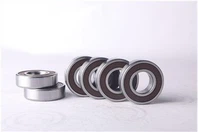
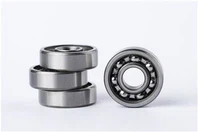
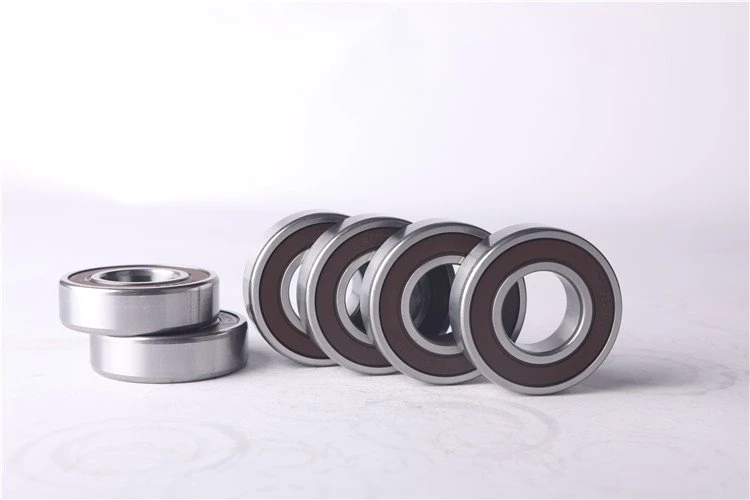
For example, the 6205 - ZZ type of bearing, which is a type of one - way ball bearing, is equipped with metal shields on both sides to prevent the ingress of dust and dirt. Additionally, some One Way Rollers are coated with anti - corrosion materials to enhance their resistance to moisture and chemicals.
Advantages of Using One Way Rollers in Heavy - Duty Machinery
Despite the challenges, there are several advantages to using One Way Rollers in heavy - duty machinery.
Overrunning Function
One of the primary advantages of One Way Rollers is their overrunning function. In heavy - duty machinery, this function can be used to prevent back - driving, which can be dangerous and cause damage to the equipment. For example, in a conveyor system, a One Way Roller can prevent the conveyor from reversing when the power is cut off, ensuring the safety of the operators and the integrity of the products being transported.
Simplified Design
One Way Rollers can simplify the design of heavy - duty machinery. They can replace complex mechanical systems that are used to achieve the same one - way rotation function. This not only reduces the number of components in the machinery but also decreases the maintenance requirements and the potential for failure.
Energy Efficiency
By allowing the machinery to rotate freely in one direction, One Way Rollers can reduce energy consumption. In applications where the machinery needs to rotate in one direction most of the time, the use of One Way Rollers can eliminate the need for continuous power input to prevent reverse rotation, resulting in significant energy savings.
Limitations and Challenges
While One Way Rollers offer many advantages, there are also some limitations and challenges when using them in heavy - duty machinery.
Cost
One Way Rollers designed for heavy - duty applications can be more expensive than standard components. The advanced materials, precision manufacturing, and additional features such as seals and high - performance lubricants all contribute to the higher cost. However, it is important to consider the long - term benefits, such as reduced maintenance and increased reliability, when evaluating the cost - effectiveness of using One Way Rollers.
Installation and Maintenance
Proper installation and maintenance are crucial for the reliable operation of One Way Rollers in heavy - duty machinery. Incorrect installation can lead to misalignment, which can cause premature wear and failure. Regular maintenance, including lubrication checks, seal inspections, and component replacements, is also necessary to ensure the longevity of the One Way Rollers.
Conclusion
In conclusion, One Way Rollers can be used in heavy - duty machinery, but careful consideration must be given to the technical requirements of the application. By selecting One Way Rollers with appropriate load capacity, speed rating, temperature resistance, and environmental protection, and by ensuring proper installation and maintenance, these components can provide reliable and efficient operation in even the most demanding heavy - duty environments.
If you are in the market for One Way Rollers for your heavy - duty machinery, I invite you to contact us. Our team of experts can help you select the right One Way Rollers for your specific application and provide you with the support you need to ensure their successful integration into your equipment. Let's work together to enhance the performance and reliability of your heavy - duty machinery.
References
- Machinery's Handbook, 31st Edition
- ASME Standards on Mechanical Components
- Technical Papers on One - Way Clutch Design and Applications