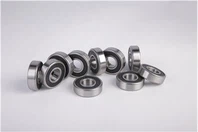
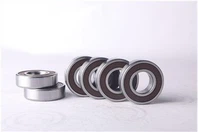
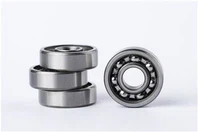
Maintaining Bearing 6305 is crucial for ensuring its optimal performance and longevity. As a supplier of Bearing 6305, I have witnessed firsthand the impact of proper maintenance on the functionality and lifespan of these bearings. In this blog, I will share some essential tips on how to maintain Bearing 6305 effectively.
Understanding Bearing 6305
Before delving into maintenance, it's important to have a basic understanding of Bearing 6305. Bearing 6305 is a deep groove ball bearing, which is one of the most common types of bearings used in various applications. It is designed to support both radial and axial loads and is known for its high-speed performance and low friction. You can find more detailed information about Bearing 6305 on our website Bearing 6305.
Initial Installation
The first step in maintaining Bearing 6305 starts with proper installation. Incorrect installation can lead to premature wear and failure of the bearing. Here are some key points to consider during installation:

- Cleanliness: Ensure that the installation area, shaft, and housing are clean and free from any dirt, debris, or contaminants. Even small particles can cause abrasion and damage to the bearing surfaces.
- Proper Fit: The bearing should fit precisely on the shaft and in the housing. Use appropriate tools to press the bearing onto the shaft or into the housing evenly. Avoid using excessive force, as it can deform the bearing.
- Alignment: Proper alignment of the shaft and housing is essential. Misalignment can cause uneven loading on the bearing, leading to increased stress and wear. Use alignment tools to ensure accurate alignment.
Lubrication
Lubrication is one of the most critical aspects of bearing maintenance. It reduces friction, dissipates heat, and protects the bearing from corrosion. Here are some guidelines for lubricating Bearing 6305:
- Choose the Right Lubricant: Select a lubricant that is suitable for the operating conditions of the bearing, such as temperature, speed, and load. Common types of lubricants for bearings include grease and oil.
- Lubrication Quantity: Use the correct amount of lubricant. Too little lubrication can result in insufficient protection, while too much can cause overheating and increased drag. Refer to the manufacturer's recommendations for the appropriate lubrication quantity.
- Lubrication Interval: Establish a regular lubrication schedule based on the operating conditions. In general, bearings in high-speed or high-load applications may require more frequent lubrication.
Monitoring and Inspection
Regular monitoring and inspection can help detect potential problems early and prevent bearing failure. Here are some methods for monitoring and inspecting Bearing 6305:
- Temperature Monitoring: Use temperature sensors to monitor the temperature of the bearing during operation. An abnormal increase in temperature may indicate excessive friction, improper lubrication, or other problems.
- Vibration Analysis: Vibration analysis can detect changes in the bearing's vibration pattern, which may be a sign of wear, misalignment, or other issues. Use vibration sensors and analysis equipment to monitor the vibration levels.
- Visual Inspection: Periodically inspect the bearing for signs of wear, damage, or contamination. Look for cracks, pitting, discoloration, or other visible defects. If any problems are detected, take appropriate action immediately.
Contamination Control
Contamination is a major cause of bearing failure. Dust, dirt, water, and other contaminants can enter the bearing and cause abrasion, corrosion, and other damage. Here are some ways to control contamination:
- Sealing: Use appropriate seals to prevent contaminants from entering the bearing. Seals can be either contact or non-contact types, depending on the application requirements.
- Environmental Protection: Keep the operating environment clean and dry. If the bearing is exposed to harsh conditions, consider using additional protective measures, such as enclosures or filters.
- Cleaning: Regularly clean the bearing and its surrounding area to remove any accumulated contaminants. Use a clean, lint-free cloth and a suitable cleaning agent.
Storage
Proper storage is also important to maintain the quality of Bearing 6305. Here are some tips for storing bearings:
- Clean and Protect: Before storing the bearing, clean it thoroughly and apply a protective coating to prevent corrosion.
- Proper Packaging: Store the bearing in a clean, dry, and protected environment. Use appropriate packaging materials, such as plastic bags or boxes, to prevent damage during storage.
- Avoid Moisture and Temperature Extremes: Keep the storage area away from moisture and extreme temperatures. High humidity and temperature fluctuations can cause corrosion and other damage to the bearing.
Troubleshooting
Despite proper maintenance, problems may still occur with Bearing 6305. Here are some common problems and their possible solutions:
- Excessive Noise: Excessive noise may be caused by improper lubrication, misalignment, wear, or other problems. Check the lubrication, alignment, and condition of the bearing and take appropriate action.
- High Temperature: High temperature may indicate excessive friction, improper lubrication, or other issues. Check the lubrication, cooling system, and load conditions and make necessary adjustments.
- Vibration: Vibration may be a sign of wear, misalignment, or other problems. Use vibration analysis to identify the source of the vibration and take appropriate action.
Conclusion
Maintaining Bearing 6305 is essential for ensuring its optimal performance and longevity. By following the tips outlined in this blog, you can effectively maintain your bearings and prevent premature failure. Remember, proper installation, lubrication, monitoring, and contamination control are key to successful bearing maintenance.
If you have any questions or need further information about Bearing 6305 or its maintenance, please feel free to contact us. We are a reliable supplier of Bearing 6305 and are committed to providing high-quality products and excellent customer service. Whether you are looking to purchase bearings or need technical support, we are here to assist you. Contact us today to start a discussion about your bearing needs.
References
- "Bearing Handbook" by SKF
- "Rolling Bearing Analysis" by T. A. Harris and M. N. Kotzalas