Hey there! As a supplier of One Way Rollers, I often get asked about the maximum load capacity of these nifty little components. So, I thought I'd dive deep into this topic and share everything I know with you.
First off, let's understand what a One Way Roller is. A One Way Roller is a type of bearing that allows rotation in one direction only. It's used in a wide range of applications, from automotive transmissions to industrial machinery. These rollers are designed to handle specific loads, and knowing their maximum load capacity is crucial for ensuring the proper functioning and longevity of the equipment they're used in.
The maximum load capacity of a One Way Roller isn't a one - size - fits - all number. It depends on several factors. One of the most important factors is the size of the roller. Generally, larger rollers can handle more weight. For example, a big - sized One Way Roller used in heavy - duty industrial equipment can take on much larger loads compared to a smaller one used in a consumer product.
The material of the roller also plays a huge role. Rollers made from high - quality, durable materials like hardened steel can withstand greater loads. These materials are designed to resist wear and tear, even under high - stress conditions. The heat treatment process used on the material can further enhance its strength and load - bearing capacity.
Another factor is the design of the One Way Roller. Some rollers are designed with a specific geometry that distributes the load more evenly. This can increase their maximum load capacity significantly. For instance, a roller with a tapered design might be able to handle more load compared to a straight - shaped one, as the tapered shape helps in better load distribution.
Let's talk about the application environment. If the One Way Roller is used in a harsh environment with a lot of dust, moisture, or extreme temperatures, its load - bearing capacity can be affected. Dust and debris can cause abrasion, which weakens the roller over time. Moisture can lead to rust, reducing the strength of the material. Extreme temperatures can also change the properties of the material, making it more brittle or less rigid.
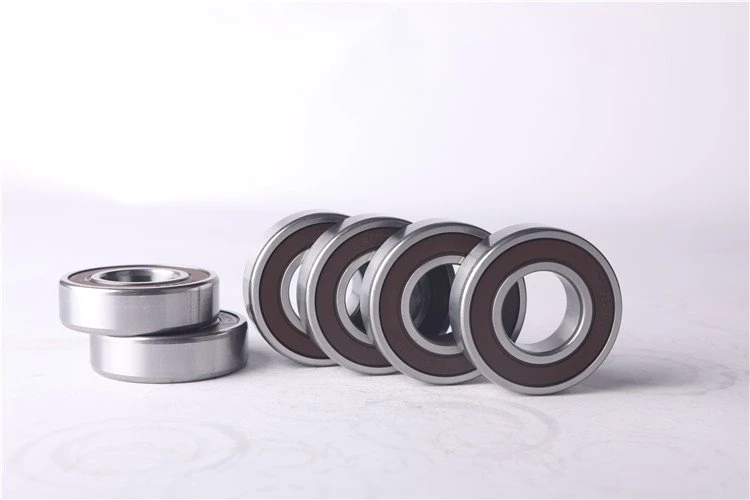

Now, let's take a look at a specific example, the 6205 - ZZ. This is a popular type of One Way Roller, and its maximum load capacity is determined by all the factors we've discussed. The 6205 - ZZ has a well - engineered design and is made from high - quality steel. It's suitable for a variety of applications, but its maximum load capacity will still vary depending on the operating conditions.
In automotive applications, One Way Rollers are used in transmissions. The load capacity here is crucial because the roller has to handle the torque and power generated by the engine. If the roller can't handle the load, it can lead to transmission failure, which is a costly and time - consuming problem.
In industrial machinery, One Way Rollers are used in conveyor systems, printing presses, and many other types of equipment. The load capacity needs to be carefully considered to ensure smooth operation. For example, in a conveyor system, if the roller can't handle the weight of the products being transported, it can cause the conveyor to jam or break down.
To determine the maximum load capacity of a One Way Roller for a specific application, it's important to consult the manufacturer's specifications. These specs will give you a good idea of the roller's capabilities under normal conditions. However, it's also a good idea to factor in a safety margin. This means choosing a roller with a higher load capacity than what you think you'll need. This way, you can account for any unexpected increases in load or changes in operating conditions.
When you're in the process of selecting a One Way Roller, it's also important to consider the overall cost - effectiveness. A roller with a very high load capacity might be more expensive, but it could save you money in the long run by reducing the need for frequent replacements. On the other hand, a cheaper roller with a lower load capacity might seem like a good deal at first, but it could end up costing you more in repairs and downtime.
As a supplier, I've seen firsthand the importance of getting the load capacity right. I've worked with customers who've had problems because they didn't choose the right roller for their application. That's why I'm always here to help. If you're not sure which One Way Roller is best for your needs, just reach out to me. I can help you figure out the maximum load capacity you need and recommend the right product for your situation.
Whether you're in the automotive industry, industrial manufacturing, or any other field that uses One Way Rollers, getting the load capacity correct is essential for the smooth operation of your equipment. Don't hesitate to ask questions and do your research before making a purchase.
If you're interested in purchasing One Way Rollers and want to discuss your specific requirements, feel free to get in touch. I'm here to assist you in finding the perfect solution for your load - bearing needs. Let's work together to ensure your equipment runs at its best!
References
- Bearing Handbook: A comprehensive guide on bearing design and performance
- Industrial Machinery Manuals: Information on the use of One Way Rollers in various industrial applications
- Automotive Transmission Technical Papers: Insights into the role of One Way Rollers in automotive systems