What is the Load - Carrying Capacity of Small Bearings?
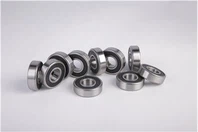
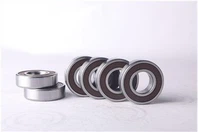
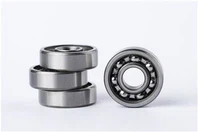
As a supplier of Small Bearings, I often get asked about the load - carrying capacity of small bearings. This is a crucial aspect, especially for customers who are looking to use these bearings in various applications. In this blog, I will delve into the concept of load - carrying capacity, factors that affect it, and how it relates to specific small bearings like Bearing 6200 and Bearing 6001ZZ.
Understanding Load - Carrying Capacity
Load - carrying capacity refers to the maximum amount of load that a bearing can support without experiencing excessive wear, deformation, or failure during its intended service life. There are two main types of loads that bearings encounter: radial loads and axial loads.
Radial loads act perpendicular to the axis of the bearing. For example, in a bicycle wheel, the weight of the rider and the bike itself creates a radial load on the bearings of the wheel. Axial loads, on the other hand, act parallel to the axis of the bearing. A common example is the thrust generated by a screw conveyor, which places an axial load on the bearings at either end.


The load - carrying capacity of a bearing is typically measured in terms of dynamic load rating and static load rating. The dynamic load rating is the load that a bearing can withstand for a specified number of revolutions (usually one million revolutions) with a 90% probability of survival without fatigue failure. The static load rating, however, is the maximum static load that a bearing can withstand without causing permanent deformation of more than a specified amount (usually 0.0001 times the ball or roller diameter).
Factors Affecting the Load - Carrying Capacity of Small Bearings
1. Bearing Type
Different types of small bearings have different load - carrying capabilities. For instance, ball bearings are generally better at handling radial loads, while some types of roller bearings, such as tapered roller bearings, can handle both radial and axial loads effectively. In the case of small ball bearings like Bearing 6200, they are designed to provide good radial load - carrying capacity in a compact size.
2. Bearing Size
The physical size of the bearing plays a significant role in its load - carrying capacity. Larger bearings generally have a higher load - carrying capacity because they have more contact area between the rolling elements and the raceways. However, small bearings are designed to fit into applications where space is limited, and their load - carrying capacity is optimized for their size. For example, Bearing 6001ZZ is a small - sized bearing, but it is engineered to handle a certain amount of radial and axial loads within its design limits.
3. Material and Heat Treatment
The material used to manufacture the bearing and the heat treatment process applied to it also affect the load - carrying capacity. High - quality bearing steels, such as chrome steel, are commonly used due to their excellent hardness, toughness, and wear resistance. Proper heat treatment can further enhance these properties, allowing the bearing to withstand higher loads.
4. Lubrication
Lubrication is essential for reducing friction and wear between the rolling elements and the raceways of the bearing. A well - lubricated bearing can operate more smoothly and handle higher loads. Insufficient or improper lubrication can lead to increased friction, heat generation, and premature failure of the bearing, thereby reducing its load - carrying capacity.
Load - Carrying Capacity of Specific Small Bearings
Bearing 6200
The Bearing 6200 is a deep - groove ball bearing. It has a relatively high radial load - carrying capacity for its size. The dynamic load rating of the Bearing 6200 is determined by its internal design, the quality of the materials used, and the manufacturing process. This bearing is suitable for applications where moderate to high radial loads are present, such as electric motors, small pumps, and some types of machinery.
Bearing 6001ZZ
The Bearing 6001ZZ is another small - sized deep - groove ball bearing with a double - shielded design. The shields help to keep contaminants out and retain the lubricant inside the bearing. This bearing has a specific load - carrying capacity that is optimized for its small size. It can handle both radial and a limited amount of axial loads. Applications of the Bearing 6001ZZ include small fans, precision instruments, and light - duty machinery.
Importance of Correctly Assessing Load - Carrying Capacity
Selecting a small bearing with the appropriate load - carrying capacity is crucial for the proper functioning and longevity of the equipment. If the bearing is under - sized and cannot handle the load, it will experience premature wear, increased noise, and may even fail catastrophically. On the other hand, over - sizing the bearing can lead to unnecessary costs and may not be practical in applications where space is limited.
Therefore, it is essential to accurately calculate the loads acting on the bearing in the specific application. This may involve considering factors such as the weight of the components, the forces generated by the operation of the equipment, and any external factors that could affect the load.
How We Can Help
As a supplier of Small Bearings, we have a team of experts who can assist you in selecting the right bearing for your application. We understand the importance of load - carrying capacity and can provide detailed technical information about our products, including the dynamic and static load ratings of each bearing.
Whether you are looking for Bearing 6200 for your electric motor or Bearing 6001ZZ for your precision instrument, we can ensure that you get a bearing that meets your load requirements. We also offer high - quality bearings that are manufactured to strict quality standards, ensuring reliable performance and long service life.
If you have any questions about the load - carrying capacity of our small bearings or need help in selecting the right bearing for your application, please do not hesitate to contact us. We are here to support you in making the best choice for your equipment.
References
- Harris, T. A., & Kotzalas, M. N. (2007). Rolling Bearing Analysis. John Wiley & Sons.
- SKF Bearing Handbook. SKF Group.