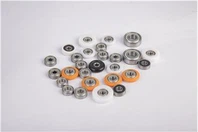
Reducing the friction of door bearing wheels is crucial for ensuring smooth operation, extending the lifespan of the wheels, and enhancing the overall functionality of the door system. As a Door Bearing Wheels supplier, I understand the challenges and requirements associated with minimizing friction. In this blog post, I will share some effective strategies and techniques to help you reduce the friction of door bearing wheels.
Understanding Friction in Door Bearing Wheels
Before delving into the solutions, it's important to understand the factors that contribute to friction in door bearing wheels. Friction occurs when two surfaces come into contact and resist relative motion. In the case of door bearing wheels, friction can be caused by several factors, including:
- Surface Roughness: Rough surfaces on the wheels or the track can increase friction.
- Lack of Lubrication: Insufficient lubrication can lead to increased friction and wear.
- Misalignment: Misaligned wheels or tracks can cause uneven contact and increased friction.
- Load: Excessive load on the wheels can increase friction and wear.
- Contamination: Dirt, dust, and debris can accumulate on the wheels and tracks, increasing friction.
Strategies to Reduce Friction
1. Choose the Right Wheels
Selecting the appropriate door bearing wheels is the first step in reducing friction. Consider the following factors when choosing wheels:


- Material: Choose wheels made from high-quality materials that offer low friction and high wear resistance. For example, wheels made from nylon or polyurethane are known for their low friction properties.
- Design: Opt for wheels with a smooth surface finish and a design that minimizes contact area with the track. This can help reduce friction and wear.
- Size and Load Capacity: Ensure that the wheels are the right size and have the appropriate load capacity for your door system. Using wheels that are too small or have insufficient load capacity can increase friction and wear.
2. Lubricate the Wheels and Tracks
Lubrication is essential for reducing friction and wear in door bearing wheels. Apply a suitable lubricant to the wheels and tracks regularly to ensure smooth operation. Here are some tips for lubricating door bearing wheels:
- Choose the Right Lubricant: Select a lubricant that is specifically designed for door bearing wheels. Avoid using lubricants that are too thick or sticky, as they can attract dirt and debris.
- Apply the Lubricant Properly: Apply the lubricant to the wheels and tracks evenly, using a brush or a spray. Make sure to cover all the contact surfaces.
- Clean the Wheels and Tracks: Before applying the lubricant, clean the wheels and tracks thoroughly to remove any dirt, dust, or debris. This can help ensure that the lubricant adheres properly and provides effective lubrication.
3. Align the Wheels and Tracks
Proper alignment of the wheels and tracks is crucial for reducing friction and wear. Misaligned wheels or tracks can cause uneven contact and increased friction. Here are some tips for aligning door bearing wheels:
- Check the Alignment Regularly: Inspect the wheels and tracks regularly to ensure that they are properly aligned. Look for signs of uneven wear or damage, which may indicate misalignment.
- Adjust the Wheels and Tracks: If the wheels or tracks are misaligned, adjust them as needed to ensure proper alignment. This may involve tightening or loosening bolts, adjusting the position of the wheels or tracks, or using shims to correct the alignment.
- Use Alignment Tools: To ensure accurate alignment, use alignment tools such as laser alignment tools or straightedges. These tools can help you measure and adjust the alignment of the wheels and tracks with precision.
4. Reduce the Load on the Wheels
Excessive load on the wheels can increase friction and wear. To reduce the load on the wheels, consider the following strategies:
- Optimize the Door Design: Design the door system to distribute the load evenly across the wheels. This can help reduce the stress on individual wheels and minimize friction and wear.
- Use Counterweights: If possible, use counterweights to balance the weight of the door. This can help reduce the load on the wheels and improve the overall performance of the door system.
- Limit the Weight of the Door: Avoid overloading the door with heavy objects or equipment. If you need to add weight to the door, make sure to distribute it evenly across the wheels.
5. Keep the Wheels and Tracks Clean
Contamination can increase friction and wear in door bearing wheels. To keep the wheels and tracks clean, follow these tips:
- Regularly Clean the Wheels and Tracks: Use a soft brush or a cloth to clean the wheels and tracks regularly. Remove any dirt, dust, or debris that may have accumulated on the surfaces.
- Use a Cleaning Solution: If the wheels and tracks are heavily contaminated, use a mild cleaning solution to remove the dirt and debris. Make sure to rinse the wheels and tracks thoroughly with water after cleaning to remove any residue.
- Protect the Wheels and Tracks: To prevent contamination, consider using protective covers or shields on the wheels and tracks. These covers can help keep dirt, dust, and debris from accumulating on the surfaces.
Recommended Products
As a Door Bearing Wheels supplier, I offer a wide range of high-quality products that are designed to reduce friction and improve the performance of door systems. Here are some of our recommended products:
- Sliding Gate Roller Bearings: These bearings are designed for use in sliding gate systems and offer low friction and high load capacity.
- U Type Groove Pulley: This pulley is designed with a U-shaped groove to provide smooth and stable operation. It is suitable for use in a variety of door systems.
- 6200zz Garage Door Rollers: These rollers are specifically designed for use in garage door systems. They offer low friction and high wear resistance, ensuring smooth and quiet operation.
Conclusion
Reducing the friction of door bearing wheels is essential for ensuring smooth operation, extending the lifespan of the wheels, and enhancing the overall functionality of the door system. By choosing the right wheels, lubricating the wheels and tracks, aligning the wheels and tracks, reducing the load on the wheels, and keeping the wheels and tracks clean, you can effectively reduce friction and improve the performance of your door system.
If you have any questions or need further assistance with reducing the friction of door bearing wheels, please feel free to contact us. We are a leading Door Bearing Wheels supplier and are committed to providing our customers with high-quality products and excellent customer service. We look forward to working with you to meet your door bearing wheel needs.
References
- "Bearing Friction and Lubrication." Machinery's Handbook, 31st Edition. Industrial Press, 2016.
- "Design and Analysis of Door Bearing Systems." Journal of Mechanical Design, Vol. 135, No. 10, 2013.
- "Maintenance and Troubleshooting of Door Bearing Wheels." Door and Window Manufacturer's Association, 2018.