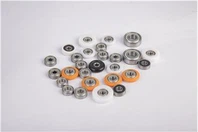
As a leading supplier of Paper Roller Bearings, I've witnessed firsthand the critical role these components play in various industrial applications. One of the most frequently asked questions from our customers is about the noise reduction mechanism of paper roller bearings. In this blog post, I'll delve into the science behind it, explaining how these bearings minimize noise and why it matters in real - world scenarios.
The Basics of Paper Roller Bearings
Before we discuss the noise reduction mechanism, let's briefly understand what paper roller bearings are. Paper roller bearings are specialized components designed to support and guide the movement of rollers in paper - related machinery, such as printing presses, paper mills, and converting equipment. They are engineered to withstand high loads, high - speed rotations, and harsh operating conditions.
The structure of a paper roller bearing typically consists of an inner ring, an outer ring, a set of rolling elements (usually rollers), and a cage to keep the rolling elements evenly spaced. The quality of materials used in these components, including high - grade steel for the rings and rollers, and precision - engineered cages, is crucial for the overall performance of the bearing.
Sources of Noise in Bearings
To understand the noise reduction mechanism, we first need to identify the sources of noise in bearings. There are several factors that can contribute to bearing noise:
- Vibration: When the bearing rotates, vibrations can be generated due to uneven load distribution, misalignment, or surface irregularities on the rolling elements or raceways. These vibrations can propagate through the bearing and the surrounding structure, resulting in audible noise.
- Lubrication Issues: Insufficient or improper lubrication can cause increased friction between the rolling elements and the raceways. This friction can lead to noise, as well as accelerated wear and tear of the bearing components.
- External Factors: External factors such as dust, debris, and temperature variations can also affect the performance of the bearing and contribute to noise. For example, dust particles can get into the bearing and cause abrasion, leading to increased noise levels.
Noise Reduction Mechanisms in Paper Roller Bearings
Precision Manufacturing
One of the primary ways to reduce noise in paper roller bearings is through precision manufacturing. At our company, we use advanced machining techniques and quality control processes to ensure that the bearing components are manufactured to extremely tight tolerances. This includes precise grinding of the raceways and the rolling elements to minimize surface irregularities.
The smoother the surfaces of the raceways and rolling elements, the less vibration and noise will be generated during rotation. For example, by reducing the surface roughness of the raceways to a very low level, we can significantly reduce the friction and vibration between the rolling elements and the raceways, resulting in quieter operation.
High - Quality Lubrication
Proper lubrication is essential for noise reduction in bearings. We offer a range of high - quality lubricants specifically formulated for paper roller bearings. These lubricants have excellent anti - wear and anti - corrosion properties, which help to reduce friction and protect the bearing components.
The lubricant forms a thin film between the rolling elements and the raceways, separating them and preventing direct metal - to - metal contact. This not only reduces friction and wear but also dampens vibrations, thus reducing noise. Additionally, our lubricants are designed to have good viscosity stability over a wide range of temperatures, ensuring consistent performance in different operating conditions.
Advanced Cage Design
The cage in a paper roller bearing plays an important role in noise reduction. Our advanced cage designs are engineered to minimize the impact between the rolling elements and the cage, as well as to ensure smooth and even movement of the rolling elements.
For example, some of our cages are made of materials with good damping properties, which can absorb vibrations and reduce noise. The shape and structure of the cage are also optimized to provide better guidance for the rolling elements, reducing the likelihood of misalignment and uneven load distribution.
Noise - Damping Materials
In some cases, we incorporate noise - damping materials into the bearing design. These materials can be used in the form of coatings or inserts, and they work by absorbing and dissipating the vibrations generated during bearing operation.
For example, we may apply a special coating to the raceways or the outer ring of the bearing. This coating can act as a buffer, reducing the transmission of vibrations and thus lowering the noise levels.
Importance of Noise Reduction in Paper - Related Industries
In paper - related industries, noise reduction is not just about comfort; it also has significant practical implications.
- Operator Safety and Comfort: High - noise levels in industrial environments can be a safety hazard, as they can cause hearing damage to operators. By reducing the noise levels of the bearings, we can create a safer and more comfortable working environment for the operators.
- Equipment Performance and Reliability: Excessive noise can also be an indication of underlying problems in the bearing or the equipment. By reducing noise, we can ensure that the bearing is operating smoothly and efficiently, which in turn improves the overall performance and reliability of the equipment.
- Product Quality: In paper - making and printing processes, noise can also affect the quality of the final product. For example, excessive vibrations caused by bearing noise can lead to uneven printing or paper defects. By reducing noise, we can help our customers produce higher - quality products.
Other Related Products
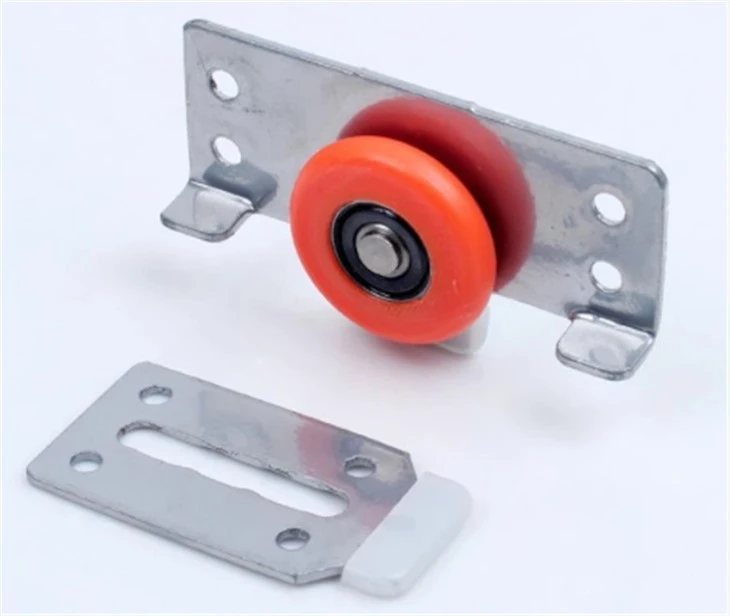
In addition to paper roller bearings, we also offer a range of related products that can complement your industrial needs. For example, our Sliding Gate Roller Bearings are designed for use in sliding gate systems, providing smooth and reliable operation. Our U Type Groove Pulley is another popular product, which can be used in various applications where a pulley with a U - shaped groove is required.
If you are interested in our Paper Roller Bearing or any of our other products, we encourage you to contact us for more information and to discuss your specific requirements. Our team of experts is always ready to provide you with professional advice and support.
Conclusion
In conclusion, the noise reduction mechanism of paper roller bearings involves a combination of precision manufacturing, high - quality lubrication, advanced cage design, and the use of noise - damping materials. By understanding the sources of noise and implementing these effective noise reduction strategies, we can provide our customers with bearings that offer quiet, reliable, and efficient operation.
If you are in the market for high - quality paper roller bearings or related products, we invite you to reach out to us. We are committed to providing the best solutions for your industrial needs, and we look forward to the opportunity to work with you.

References
- Harris, T. A., & Kotzalas, M. N. (2007). Rolling Bearing Analysis. Wiley.
- Palmgren, A. (1959). Ball and Roller Bearing Engineering. SKF Industries.