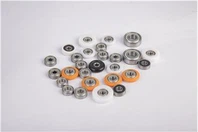
As a supplier of 20mm roller bearings, I understand the importance of proper storage to maintain the quality and performance of these precision components. In this blog, I'll share some essential tips on how to store a 20mm roller bearing properly, ensuring its longevity and reliability when it's time for use.
1. Cleanliness is Key
Before storing a 20mm roller bearing, it's crucial to ensure it's clean. Any dirt, debris, or contaminants on the bearing can cause premature wear, corrosion, or damage during storage. Use a clean, lint - free cloth and a suitable cleaning solvent to remove any surface dirt. For example, a mild petroleum - based solvent can be effective in removing grease and oil residues. After cleaning, dry the bearing thoroughly to prevent moisture from causing rust.
2. Protective Packaging
Once the bearing is clean, it should be properly packaged. The packaging serves as a barrier against dust, moisture, and physical damage. A common choice is to use anti - static plastic bags. These bags not only protect the bearing from static electricity, which can attract dust, but also prevent moisture from reaching the bearing surface. You can also use sealed plastic containers for additional protection. Label the packaging clearly with details such as the bearing model, size (20mm in this case), and the date of storage. This will make it easier to identify the bearing later and keep track of its storage time.
3. Temperature and Humidity Control
The storage environment plays a significant role in the condition of the 20mm roller bearing. Temperature fluctuations can cause the bearing components to expand and contract, which may lead to internal stress and affect its performance. The ideal storage temperature for most roller bearings is between 10°C and 30°C. Avoid storing bearings in areas where the temperature can get extremely high, such as near heating equipment, or extremely low, like in unheated warehouses during winter.


Humidity is another critical factor. High humidity can cause corrosion on the bearing's metal surfaces. The relative humidity in the storage area should be kept below 60%. If the storage area is prone to high humidity, you can use dehumidifiers to control the moisture level. Additionally, placing moisture - absorbing agents, such as silica gel packets, inside the bearing packaging can help keep the humidity around the bearing low.
4. Storage Position
The way a 20mm roller bearing is stored can also impact its condition. It's best to store the bearing in its original orientation or in a position that mimics its normal operating position. This helps to prevent deformation of the bearing components. For example, if the bearing is designed to be used horizontally in a machine, it should be stored horizontally. Avoid stacking heavy objects on top of the bearings, as this can cause mechanical stress and damage the bearing's internal structure.
5. Protection from Vibration
Vibration can cause internal damage to the bearing, especially over an extended storage period. Choose a storage location away from sources of vibration, such as heavy machinery or busy roads. If it's not possible to avoid a vibrating environment completely, you can use vibration - dampening materials to isolate the bearing. For instance, placing the bearing on a rubber mat can help reduce the impact of vibrations.
6. Regular Inspection
Even when stored properly, 20mm roller bearings should be inspected regularly. Check for signs of corrosion, rust, or any physical damage. Inspect the lubricant condition if the bearing is pre - lubricated. If there are any signs of deterioration, take appropriate action immediately. This may involve re - cleaning, re - lubricating, or replacing the bearing if the damage is severe.
7. Inventory Management
Maintaining a proper inventory management system is essential for storing 20mm roller bearings. Keep a record of all the bearings in storage, including their purchase date, storage location, and expected shelf life. Implement a first - in, first - out (FIFO) system. This means using the bearings that have been in storage the longest first. This helps to ensure that the bearings are used within their recommended shelf life and reduces the risk of using bearings that may have deteriorated during long - term storage.
8. Compatibility with Other Materials
When storing 20mm roller bearings, be aware of their compatibility with other materials in the storage area. Some chemicals or metals can react with the bearing's surface, causing corrosion or other forms of damage. Avoid storing bearings near materials that are known to be corrosive, such as strong acids or alkalis.
9. Documentation
Keep all relevant documentation related to the 20mm roller bearings. This includes the product manuals, certificates of quality, and inspection reports. Having this documentation readily available can be useful if there are any questions about the bearing's specifications or if it needs to be serviced or replaced.
In conclusion, proper storage of 20mm roller bearings is essential to maintain their quality and performance. By following these tips, you can ensure that your bearings are in good condition when it's time for installation. If you're in the market for high - quality 20mm roller bearings, you can visit our website to explore our range of products. Click on the following links to learn more: 20mm Roller Bearing, Bearing 6203llu, and Small Rollers with Bearings.
If you have any questions about our products or need advice on bearing storage, feel free to contact us. We're here to help you make the right choices for your bearing needs. Whether you're a small - scale manufacturer or a large - scale industrial user, we can provide you with the best 20mm roller bearings and support services.
References
- "Roller Bearing Handbook" - A comprehensive guide on roller bearing technology and maintenance.
- Industry standards and guidelines on bearing storage and handling from relevant bearing associations.