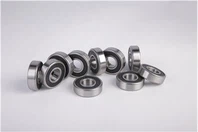
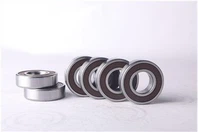
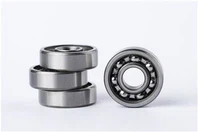
Hey there! As a supplier of Pulley Bearings, I've seen firsthand how crucial proper sealing methods are for these components. In this blog, I'm gonna break down the different sealing methods for pulley bearings, so you can make the right choice for your specific needs.
Why Sealing Matters for Pulley Bearings
Before we dive into the sealing methods, let's talk about why sealing is so important for pulley bearings. Pulley bearings are used in all sorts of applications, from industrial machinery to garage doors. In these environments, they're exposed to a variety of contaminants like dust, dirt, moisture, and chemicals. These contaminants can cause wear and tear, corrosion, and ultimately, bearing failure. A good seal helps keep these contaminants out, extending the life of the bearing and reducing maintenance costs.
Different Sealing Methods for Pulley Bearings
Rubber Seals
Rubber seals are one of the most common sealing methods for pulley bearings. They're made from a flexible rubber material, like nitrile or fluoroelastomer, and are designed to fit snugly around the bearing. Rubber seals create a barrier between the bearing and the outside environment, preventing contaminants from entering.
One of the biggest advantages of rubber seals is their flexibility. They can conform to the shape of the bearing, providing a tight seal even in high-vibration applications. They're also relatively inexpensive and easy to install. However, rubber seals do have some drawbacks. They can deteriorate over time, especially in harsh environments, and they may not be suitable for high-temperature applications.
If you're looking for a reliable and cost-effective sealing solution for your pulley bearings, rubber seals are a great option. Check out our Industrial Roller Bearings for products that often use rubber seals.
Metal Shields
Metal shields are another popular sealing method for pulley bearings. They're typically made from steel or stainless steel and are designed to cover the open sides of the bearing. Metal shields provide a physical barrier against larger contaminants like dust and debris.
One of the main advantages of metal shields is their durability. They can withstand high temperatures and harsh environments without deteriorating. They're also relatively easy to install and maintain. However, metal shields don't provide a complete seal like rubber seals do. They allow some air and moisture to pass through, which can still lead to corrosion and wear over time.
Metal shields are a good choice for applications where you need a basic level of protection against dust and debris. Our 6200zz Garage Door Rollers often use metal shields for this purpose.
Contact Seals
Contact seals are a type of rubber seal that makes direct contact with the bearing's inner or outer ring. This creates a very tight seal, preventing even the smallest contaminants from entering the bearing. Contact seals are typically used in applications where maximum protection is required, such as in food processing or pharmaceutical industries.
The main advantage of contact seals is their excellent sealing performance. They can keep out dust, dirt, moisture, and even some chemicals. However, contact seals also create more friction than non-contact seals, which can lead to increased heat generation and energy consumption. They're also more expensive than other types of seals and may require more frequent replacement.
If you need the highest level of protection for your pulley bearings, contact seals are the way to go.
Non-Contact Seals
Non-contact seals, as the name suggests, don't make direct contact with the bearing's inner or outer ring. Instead, they use a labyrinth design to create a tortuous path for contaminants to follow. This design allows the bearing to rotate freely with minimal friction while still providing a good level of protection against contaminants.
Non-contact seals are a good choice for applications where low friction and high-speed operation are required. They're also less likely to wear out than contact seals, which means they can last longer. However, non-contact seals may not provide as good a seal as contact seals, especially in environments with a high concentration of contaminants.
Combination Seals
Combination seals are a hybrid of different sealing methods. They typically combine a rubber seal with a metal shield or a labyrinth design to provide the best of both worlds. Combination seals offer excellent sealing performance, durability, and low friction.
Combination seals are a great option for applications where you need a high level of protection against a wide range of contaminants, as well as low friction and long service life. Our U Type Groove Pulley may use combination seals to ensure optimal performance.
Choosing the Right Sealing Method
When choosing a sealing method for your pulley bearings, there are several factors to consider:
- Environment: The type of environment the bearing will be operating in is one of the most important factors. If the bearing will be exposed to dust, dirt, and moisture, you'll need a seal that can provide a high level of protection. If the environment is harsh, with high temperatures or chemicals, you'll need a seal that can withstand these conditions.
- Speed and Load: The speed and load of the application will also affect the choice of seal. High-speed applications may require a low-friction seal, such as a non-contact seal, while high-load applications may require a more durable seal, such as a metal shield or a combination seal.
- Cost: The cost of the seal is also an important consideration. Rubber seals are generally the most cost-effective option, while contact seals and combination seals are more expensive.
Conclusion
In conclusion, choosing the right sealing method for your pulley bearings is crucial for ensuring their long-term performance and reliability. Whether you need a basic level of protection against dust and debris or the highest level of protection against a wide range of contaminants, there's a sealing method that's right for you.
If you're still not sure which sealing method is best for your application, or if you have any other questions about our Pulley Bearings, don't hesitate to reach out. We're here to help you make the right choice and ensure that your equipment operates at its best. Contact us today to discuss your procurement needs and let's work together to find the perfect solution for you!


References
- Machinery's Handbook: A reference book for mechanical engineers and machinists that provides detailed information on bearings and sealing methods.
- Bearing Manufacturer's Catalogs: These catalogs provide specific information on the sealing options available for different types of bearings.