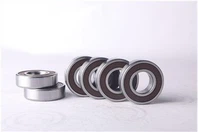
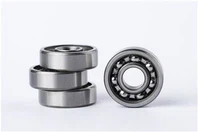
As a supplier of One Way Rollers, I've been deeply involved in the field and have witnessed the significance of understanding the impact resistance of these remarkable components. In this blog, I'll delve into what impact resistance means for a One Way Roller, its importance, factors affecting it, and how it relates to real - world applications.

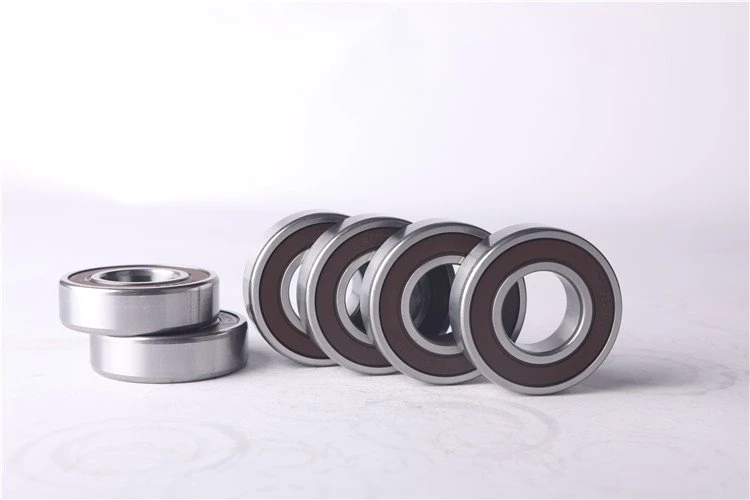
What is Impact Resistance?
Impact resistance refers to the ability of a One Way Roller to withstand sudden and intense forces without suffering significant damage or losing its functionality. When a One Way Roller is subjected to an impact, it experiences a rapid transfer of energy. This energy can come from various sources, such as mechanical shocks, sudden stops or starts in a system, or collisions with other components.
A One Way Roller with high impact resistance can absorb and dissipate this energy effectively. It will maintain its structural integrity and continue to perform its primary function, which is to allow rotation in one direction while preventing it in the opposite direction. On the other hand, a roller with poor impact resistance may crack, deform, or have its internal mechanism disrupted, leading to malfunction and potentially costly downtime in the system it is part of.
Importance of Impact Resistance in One Way Rollers
The importance of impact resistance in One Way Rollers cannot be overstated. In industrial applications, One Way Rollers are often used in machinery that operates under harsh conditions. For example, in conveyor systems, they are used to control the flow of materials. When items are loaded or unloaded onto the conveyor, there can be sudden impacts. A One Way Roller with good impact resistance ensures that the conveyor system continues to run smoothly, minimizing the risk of breakdowns and maintaining productivity.
In automotive applications, One Way Rollers are used in starters, transmissions, and other critical components. The engine starting process involves a sudden jolt as the starter engages. A One Way Roller with high impact resistance can handle this shock and ensure reliable engine starting. In transmissions, it helps to transfer power smoothly between different gears. Any failure due to poor impact resistance can lead to transmission problems, which are expensive to repair and can leave the vehicle inoperable.
Factors Affecting the Impact Resistance of One Way Rollers
Several factors influence the impact resistance of One Way Rollers.
Material Selection
The material used to manufacture the One Way Roller is a crucial factor. High - quality steel alloys are commonly used because they offer a good balance of strength and toughness. For example, some rollers are made from case - hardened steel. The hard outer layer provides wear resistance, while the tougher inner core can absorb impact energy. Other advanced materials, such as ceramics, are also being explored for their potential to improve impact resistance. Ceramics have high hardness and can withstand high - energy impacts, but they may be more brittle and require careful design to prevent cracking.
Design and Geometry
The design and geometry of the One Way Roller play a significant role in its impact resistance. The shape of the roller, the size and arrangement of its components, and the way it is mounted in the system all affect how it responds to impacts. For instance, a roller with a larger diameter may have better impact resistance because it can distribute the impact force over a larger area. The internal mechanism of the One Way Roller, such as the number and shape of the sprags or rollers that engage to prevent reverse rotation, also affects its ability to handle impacts. A well - designed mechanism can ensure that the force is evenly distributed and absorbed within the roller.
Heat Treatment
Heat treatment processes can significantly enhance the impact resistance of One Way Rollers. Processes like quenching and tempering can improve the hardness and toughness of the material. Quenching rapidly cools the material, creating a hard surface layer, while tempering relieves internal stresses and makes the material more ductile. This combination of hardness and ductility allows the roller to withstand impacts without cracking or deforming.
Testing Impact Resistance
To ensure that One Way Rollers meet the required impact resistance standards, various testing methods are employed.
Drop Testing
Drop testing involves dropping a weight onto the One Way Roller from a specific height. The weight and height are carefully selected based on the intended application of the roller. By measuring the deformation or damage to the roller after the drop, manufacturers can assess its impact resistance. Multiple drops may be performed to simulate repeated impacts that the roller may experience in real - world use.
Dynamic Impact Testing
Dynamic impact testing uses specialized equipment to apply sudden and controlled impacts to the One Way Roller. This type of testing can simulate more realistic operating conditions, such as the impacts experienced in a high - speed conveyor system or an automotive transmission. Sensors are used to measure the force, acceleration, and deformation of the roller during the impact, providing detailed data on its performance.
Real - World Applications and Impact Resistance Requirements
In different industries, the impact resistance requirements for One Way Rollers vary.
Heavy - Duty Industrial Applications
In heavy - duty industries such as mining and construction, One Way Rollers are exposed to extremely high - energy impacts. For example, in mining equipment, they are used in crushers and conveyor systems that handle large and heavy materials. These rollers need to have very high impact resistance to withstand the forces generated by the crushing and handling of rocks and ores. Manufacturers often use specialized materials and advanced heat treatment processes to meet these demanding requirements.
Precision Machinery Applications
In precision machinery, such as robotics and semiconductor manufacturing equipment, the impact resistance requirements are different. While the impacts may be less severe in terms of force, the rollers need to maintain their precise operation. Even a small amount of deformation or damage can affect the accuracy and reliability of the machinery. Therefore, One Way Rollers in these applications need to have a high level of impact resistance while also maintaining tight tolerances and smooth operation.
The Role of Our Company as a One Way Roller Supplier
As a supplier of One Way Rollers, we understand the importance of impact resistance and its implications for our customers. We invest heavily in research and development to improve the impact resistance of our products. Our team of engineers carefully selects materials, designs the rollers with optimal geometry, and uses advanced heat treatment processes to ensure that our One Way Rollers can withstand the toughest impacts.
We also offer a wide range of One Way Rollers, including the 6205 - ZZ and the One Way Roller. These products are designed to meet the diverse needs of different industries. Whether you are in the automotive, industrial, or precision machinery sector, we can provide you with a One Way Roller that has the right level of impact resistance for your application.
If you are looking for high - quality One Way Rollers with excellent impact resistance, we invite you to contact us for a detailed discussion. Our sales team is ready to assist you in selecting the most suitable product for your specific requirements. We can also provide technical support and guidance to ensure that you get the best performance from our One Way Rollers.
References
- "Mechanical Design Handbook", edited by Robert C. Juvinall and Kurt M. Marshek.
- "Bearing Technology Handbook", published by SKF.
- Industry research reports on One Way Rollers and their applications.