Hey there! As a supplier of One Way Rollers, I often get asked about the heat dissipation capacity of these nifty little components. So, let's dive right in and talk about what makes the heat dissipation of a One Way Roller tick.
First off, what exactly is a One Way Roller? Well, it's a type of bearing that allows rotation in one direction while locking in the opposite direction. You can find out more about them on our website here: One Way Roller. These are used in a wide range of applications, from automotive transmissions to industrial machinery. And just like any moving part, they generate heat during operation.
The heat dissipation capacity of a One Way Roller is super important. Why? Because excessive heat can lead to all sorts of problems. It can cause the lubricant inside the bearing to break down, which in turn increases friction. Higher friction means more wear and tear on the roller and its components, shortening its lifespan. In extreme cases, overheating can even cause the bearing to seize up, leading to costly downtime and repairs.
So, what factors affect the heat dissipation capacity of a One Way Roller?
1. Material of the Roller
The material that the One Way Roller is made from plays a huge role. For example, some rollers are made from high - grade steel. Steel has relatively good thermal conductivity, which means it can transfer heat away from the contact points more efficiently. Other materials might not conduct heat as well, so they'll tend to hold onto the heat longer.
2. Design and Construction
The internal design of the One Way Roller also matters. A well - designed roller will have proper channels or spaces for the lubricant to flow. The lubricant not only reduces friction but also helps in carrying away the heat generated. If the design restricts the flow of the lubricant, heat will build up. For instance, a roller with a more open and well - thought - out internal structure will generally have better heat dissipation than one with a cramped design.
3. Operating Conditions
How the One Way Roller is used has a big impact on its heat dissipation. If it's operating at high speeds, more heat will be generated due to increased friction. Similarly, if the load on the roller is heavy, it also leads to more heat production. The ambient temperature where the roller is installed is another factor. If it's in a hot environment, it'll be harder for the roller to dissipate heat.
Let's take a closer look at how we can measure the heat dissipation capacity. One common way is to use thermal sensors. These sensors can be placed on the surface of the One Way Roller or in its vicinity to monitor the temperature. By tracking how quickly the temperature rises and falls during operation, we can get an idea of how well the roller is dissipating heat.

Another aspect to consider is the relationship between heat dissipation and the size of the One Way Roller. Generally, larger rollers have a greater surface area. A larger surface area means more area for heat to radiate from, which can enhance the heat dissipation capacity. However, larger rollers also might have more mass, which could slow down the heat transfer process in some cases.
Now, let's talk about some practical applications and how heat dissipation comes into play. In automotive engines, One Way Rollers are used in the starter system. When you turn the key to start the engine, the roller allows the starter motor to engage with the engine's flywheel. During this process, there's a brief but intense burst of activity, and heat is generated. If the heat isn't dissipated properly, it can damage the roller and lead to starting problems.
In industrial conveyor systems, One Way Rollers are used to control the movement of belts. These systems often run continuously, and heat can build up over time. Good heat dissipation is crucial to ensure the smooth and reliable operation of the conveyor.
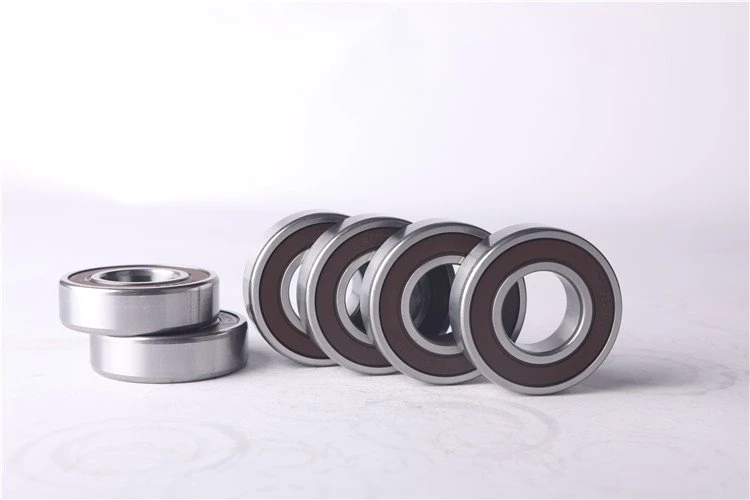
If you're in the market for a One Way Roller, you might be interested in our 6205 - ZZ product. It's designed with heat dissipation in mind, using high - quality materials and an optimized internal design.
As a supplier, we understand the importance of heat dissipation in One Way Rollers. We've spent a lot of time researching and developing our products to ensure they have excellent heat dissipation capabilities. Whether you're looking for a roller for a small - scale project or a large - scale industrial application, we've got you covered.
If you're interested in learning more about our One Way Rollers or want to discuss a potential purchase, don't hesitate to reach out. We're always happy to talk about how our products can meet your specific needs. We can provide you with detailed information about the heat dissipation capacity of our different models and help you choose the right one for your application.
In conclusion, the heat dissipation capacity of a One Way Roller is a critical factor that affects its performance and lifespan. By understanding the factors that influence heat dissipation and choosing the right roller for your needs, you can ensure smooth and reliable operation in your applications. So, if you're in the market for a One Way Roller, give us a shout, and let's start a conversation about how we can work together.
References:
- Industry research on bearing materials and heat transfer
- Case studies on the performance of One Way Rollers in different applications