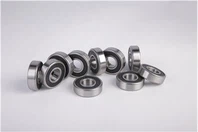
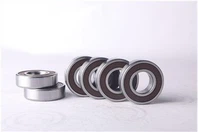
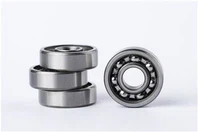
Hey there! As a supplier of Carbon Bearings, I often get asked about the cost - effectiveness of these nifty little components. So, let's dive right in and break it down.

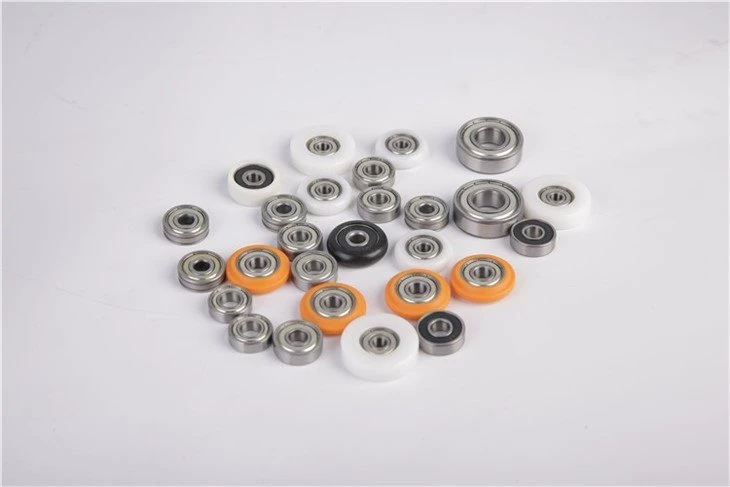
First off, what are carbon bearings? Carbon bearings are made from carbon - based materials, which give them some unique properties compared to traditional bearings. They're used in a wide range of applications, from small household items to heavy - duty industrial machinery.
One of the key factors in determining cost - effectiveness is the initial cost. Carbon bearings can sometimes have a higher upfront price tag than other types of bearings. But here's the thing, that's just the start of the story. When you look at the long - term picture, the savings can be significant.
Let's talk about durability. Carbon bearings are extremely durable. They have excellent wear resistance, which means they can last a really long time. In a lot of applications, traditional bearings might need to be replaced every few months or years. But carbon bearings can go much longer without needing a swap. For example, in a high - speed industrial conveyor system, a normal bearing might start to show signs of wear after a year of continuous use. But a carbon bearing in the same setup could easily last three to five years. That's a huge reduction in the frequency of replacement, which saves money on both the cost of new bearings and the labor involved in changing them.
Another aspect of cost - effectiveness is maintenance. Carbon bearings require less maintenance compared to many other types of bearings. They don't need to be lubricated as often, if at all. Some carbon bearings are self - lubricating, thanks to the properties of the carbon materials used. Lubrication can be a hassle. It costs money to buy the lubricants, and there's also the time and effort required to apply them properly. Plus, improper lubrication can lead to bearing failure. With carbon bearings, you can skip a lot of that headache.
Now, let's think about efficiency. Carbon bearings can improve the efficiency of the equipment they're used in. They have lower friction coefficients compared to some traditional bearings. This means that less energy is wasted in the form of heat and mechanical losses. In an electric motor, for instance, a carbon bearing can reduce the power consumption. Over time, the savings on electricity bills can be substantial, especially in large - scale industrial operations where motors run continuously.
Let's take a look at some specific applications where the cost - effectiveness of carbon bearings really shines.
In the case of Sliding Gate Roller Bearings, carbon bearings can be a game - changer. Sliding gates are often exposed to the elements, and normal bearings can rust and wear out quickly. Carbon bearings, on the other hand, are corrosion - resistant. They can handle the dirt, dust, and moisture that sliding gates are subjected to. This means that the gate will operate smoothly for a longer time without the need for frequent repairs or bearing replacements.
For Roller Bearings for Drawers, carbon bearings offer a silent and smooth operation. In a household or office environment, noisy drawers can be annoying. Carbon bearings reduce friction and noise, providing a better user experience. And since they're durable, you won't have to replace the drawer bearings every time you notice a little wear and tear.
Loose Roller Bearings used in various industrial and mechanical setups also benefit from the cost - effectiveness of carbon. These bearings are often used in high - stress situations, and carbon's strength and wear - resistance properties make them a great choice. They can handle heavy loads and high - speed rotations without failing prematurely, which is crucial for maintaining the productivity of the machinery.
When it comes to the environmental impact, carbon bearings can also be cost - effective in a different way. Since they last longer and require less maintenance, there's less waste generated. Fewer old bearings end up in landfills, and there's a reduced need for the manufacturing of new bearings. This not only has environmental benefits but can also lead to cost savings in the long run as the pressure on raw material extraction and manufacturing processes is reduced.
However, it's important to note that carbon bearings aren't a one - size - fits - all solution. In some very specific applications where extreme precision or very high - load capacities are required, other types of bearings might still be the better choice. But for a vast majority of common applications, carbon bearings offer a great balance of performance and cost - effectiveness.
So, if you're in the market for bearings, I highly recommend considering carbon bearings. They might cost a bit more at the start, but the long - term savings in terms of replacement, maintenance, and energy consumption are well worth it. Whether you're a small - scale DIY enthusiast or a large - scale industrial operator, carbon bearings can make a positive impact on your bottom line.
If you're interested in learning more about our carbon bearings or want to discuss a potential purchase, feel free to reach out. We're here to help you find the best bearing solutions for your needs.
References:
- "Bearing Handbook" - A comprehensive guide on different types of bearings and their applications.
- Industry research reports on the performance and cost - effectiveness of various bearing materials.