Creep resistance is a crucial property when it comes to bearings, especially for Bearing 6311. As a supplier of Bearing 6311, I have witnessed firsthand the importance of understanding this characteristic for our customers. In this blog, we will delve into what creep resistance of Bearing 6311 is, why it matters, and how it impacts the performance of the bearing.
What is Creep in Bearings?
Before we discuss the creep resistance of Bearing 6311, it's essential to understand what creep is in the context of bearings. Creep refers to the slow and progressive movement of a bearing ring relative to its mating surface, such as a shaft or housing. This movement occurs under the influence of external forces, such as radial or axial loads, and can lead to various issues over time.
There are two main types of creep in bearings: axial creep and radial creep. Axial creep causes the bearing ring to move along the axis of the shaft, while radial creep results in the ring moving in a radial direction. Creep can be caused by several factors, including improper fitting of the bearing, insufficient pre - load, vibration, and temperature variations.

Creep Resistance of Bearing 6311
The creep resistance of Bearing 6311 is its ability to resist the slow movement of its rings relative to the shaft or housing. This property is determined by several design and material factors.
Design Factors
- Internal Clearance: The internal clearance of Bearing 6311 plays a significant role in its creep resistance. An appropriate internal clearance ensures that the bearing can accommodate thermal expansion and contraction without excessive movement. If the internal clearance is too large, the bearing rings may have more freedom to move, increasing the risk of creep. On the other hand, if the clearance is too small, it can lead to increased stress and premature failure.
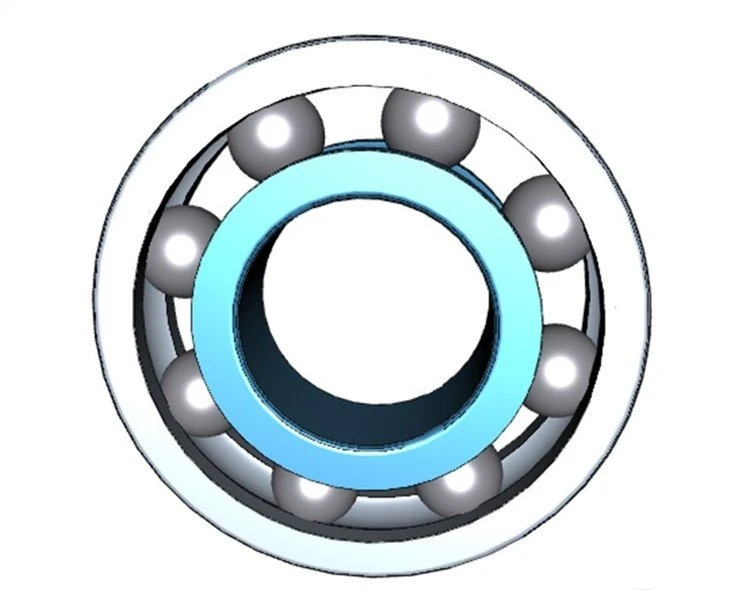
- Raceway Geometry: The geometry of the raceways in Bearing 6311 is designed to optimize the contact between the rolling elements and the rings. A well - designed raceway reduces the likelihood of uneven loading, which can contribute to creep. For example, a smooth and precisely machined raceway surface ensures that the rolling elements distribute the load evenly, minimizing the forces that could cause the rings to move.
Material Factors
- Bearing Steel Quality: The quality of the steel used in Bearing 6311 is a critical factor in its creep resistance. High - quality bearing steels have excellent mechanical properties, such as high hardness, strength, and toughness. These properties allow the bearing to withstand the loads and stresses without undergoing excessive deformation, which could lead to creep. For instance, steels with a fine - grained microstructure are more resistant to creep because they have fewer defects and a more uniform distribution of strength.
- Heat Treatment: The heat treatment process applied to the bearing components also affects their creep resistance. Proper heat treatment can enhance the hardness and strength of the steel, improving its ability to resist deformation under load. For example, through - hardening and surface - hardening treatments can create a hard outer layer and a tough inner core, providing optimal performance in terms of creep resistance.
Why Creep Resistance Matters for Bearing 6311
The creep resistance of Bearing 6311 is of utmost importance for several reasons.
Reliability and Durability
- Reduced Wear: Creep can cause excessive wear on the bearing rings and the mating surfaces. When the rings move relative to the shaft or housing, it creates friction and abrasion, which can lead to the removal of material from the contact surfaces. Over time, this wear can reduce the dimensional accuracy of the bearing and its mating parts, resulting in increased vibration, noise, and reduced performance. By having good creep resistance, Bearing 6311 can maintain its integrity and operate smoothly for a longer period, reducing the need for frequent replacements.
- Prevention of Failure: If creep is not controlled, it can eventually lead to bearing failure. The movement of the rings can cause misalignment, which can put additional stress on the rolling elements and the raceways. This stress can lead to cracking, spalling, and other forms of damage, ultimately resulting in the complete failure of the bearing. By ensuring high creep resistance, we can prevent these catastrophic failures and ensure the reliable operation of the machinery in which Bearing 6311 is installed.
Performance Optimization
- Smooth Operation: A bearing with good creep resistance operates more smoothly. Since there is less movement between the rings and the mating surfaces, the rolling elements can roll freely without any interference. This smooth operation translates into lower vibration and noise levels, which is essential for applications where quiet and stable operation is required, such as in precision machinery and electric motors.
- Efficient Power Transmission: Creep can also affect the efficiency of power transmission in a system. When the bearing rings move, it can cause energy losses due to friction and misalignment. By minimizing creep, Bearing 6311 can ensure that the power is transmitted efficiently from the input shaft to the output, reducing energy consumption and improving the overall performance of the machinery.
Impact of Creep on Different Applications
Bearing 6311 is used in a wide range of applications, and the impact of creep can vary depending on the specific application.
Industrial Machinery
- Conveyor Systems: In conveyor systems, Bearing 6311 is often used to support the rollers. Creep in these bearings can cause the rollers to become misaligned, leading to uneven movement of the conveyor belt. This can result in product jams, increased wear on the belt, and reduced overall efficiency of the conveyor system. Good creep resistance in Bearing 6311 ensures that the rollers operate smoothly and maintain proper alignment, improving the reliability of the conveyor system.
- Machine Tools: Machine tools require high - precision bearings to ensure accurate machining. Creep in Bearing 6311 used in machine tools can lead to dimensional inaccuracies in the machined parts. The movement of the bearing rings can cause the cutting tool to deviate from its intended path, resulting in poor surface finish and incorrect part dimensions. By using bearings with excellent creep resistance, machine tool manufacturers can ensure the high - quality production of their products.
Automotive Applications
- Automotive Engines: In automotive engines, Bearing 6311 may be used in various components, such as the crankshaft and the camshaft. Creep in these bearings can lead to increased noise, vibration, and harshness (NVH) levels in the engine. It can also cause premature wear on the bearing and the mating parts, reducing the engine's performance and lifespan. High - creep - resistant bearings are essential for ensuring the smooth and reliable operation of automotive engines.
Ensuring Creep Resistance in Bearing 6311
As a supplier of Bearing 6311, we take several measures to ensure that our bearings have excellent creep resistance.
Quality Control
- Material Inspection: We conduct rigorous inspections of the raw materials used in the production of Bearing 6311. This includes checking the chemical composition, hardness, and microstructure of the bearing steel. Only high - quality materials that meet our strict standards are used in the manufacturing process.
- Manufacturing Process Monitoring: Our manufacturing process is closely monitored to ensure that every step is carried out with precision. From the machining of the bearing components to the heat treatment and assembly, we use advanced quality control techniques to ensure that the bearings meet the required specifications. For example, we use non - destructive testing methods to detect any internal defects in the bearings.
Technical Support
- Installation and Maintenance Guidelines: We provide our customers with detailed installation and maintenance guidelines for Bearing 6311. Proper installation is crucial for ensuring the creep resistance of the bearing. We advise our customers on the correct fitting methods, such as using the appropriate tools and following the recommended interference values. Additionally, we offer guidance on maintenance practices, such as regular lubrication and inspection, to prevent creep and ensure the long - term performance of the bearing.
Conclusion
In conclusion, the creep resistance of Bearing 6311 is a vital property that affects its reliability, durability, and performance. Understanding the factors that influence creep resistance, such as design and material factors, is essential for both bearing manufacturers and users. As a supplier of Bearing 6311, we are committed to providing high - quality bearings with excellent creep resistance. Our strict quality control measures and technical support ensure that our customers can rely on our bearings for their applications.
If you are in the market for Bearing 6311 or have any questions about its creep resistance or other properties, we encourage you to contact us for a detailed discussion. Our team of experts is ready to assist you in selecting the right bearing for your specific needs and providing you with the best solutions.
References
- Harris, T. A., & Kotzalas, M. N. (2007). Rolling Bearing Analysis. Wiley.
- Zaretsky, E. V. (2010). Ball and Roller Bearing Engineering. CRC Press.