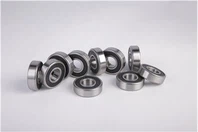
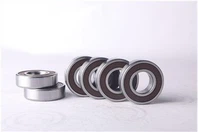
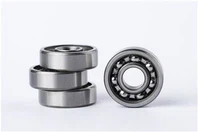
Big ball bearings are essential components in various industrial applications, from heavy machinery to automotive systems. They are designed to support high radial and axial loads while reducing friction between moving parts. However, like any mechanical component, big ball bearings can experience wear and tear over time, leading to performance issues and potential failures. As a trusted supplier of big ball bearings, we understand the importance of proper repair and maintenance to ensure the longevity and reliability of these critical components. In this blog post, we will discuss the common repair methods for big ball bearings, providing you with the knowledge and insights needed to keep your equipment running smoothly.
Understanding the Causes of Big Ball Bearing Damage
Before delving into the repair methods, it's crucial to understand the common causes of big ball bearing damage. By identifying the root cause, you can implement preventive measures to avoid future issues and ensure the proper functioning of your bearings. Some of the most common causes of big ball bearing damage include:
- Lubrication Issues: Insufficient or improper lubrication can lead to increased friction, heat generation, and premature wear of the bearing components. Over time, this can cause the bearing to seize or fail, resulting in costly downtime and repairs.
- Contamination: Dirt, dust, debris, and other contaminants can enter the bearing housing, causing abrasion and damage to the bearing surfaces. This can lead to increased noise, vibration, and reduced performance of the bearing.
- Overloading: Exceeding the recommended load capacity of the bearing can cause excessive stress on the bearing components, leading to deformation, cracking, and premature failure.
- Misalignment: Improper installation or misalignment of the bearing can cause uneven loading and increased stress on the bearing components, leading to premature wear and failure.
- Corrosion: Exposure to moisture, chemicals, or other corrosive substances can cause rust and corrosion on the bearing surfaces, leading to reduced performance and potential failure.
Common Repair Methods for Big Ball Bearings
Once you have identified the cause of the bearing damage, you can choose the appropriate repair method based on the severity of the damage and the type of bearing. Here are some of the common repair methods for big ball bearings:
Cleaning and Lubrication
One of the simplest and most effective ways to repair a big ball bearing is to clean and lubricate it properly. This involves removing the bearing from the equipment, cleaning it with a suitable solvent to remove dirt, debris, and contaminants, and then lubricating it with the recommended lubricant. Proper lubrication is essential to reduce friction, prevent wear, and extend the life of the bearing.
Bearing Replacement
In some cases, the damage to the big ball bearing may be too severe to repair, and replacement may be the only option. When replacing a bearing, it's important to choose a high-quality replacement bearing that is compatible with the application and meets the specifications of the original bearing. Our company offers a wide range of big ball bearings, including Track Bearing Roller, to meet the diverse needs of our customers.
Bearing Reconditioning
Bearing reconditioning is a cost-effective alternative to bearing replacement, especially for bearings that have minor damage or wear. This involves disassembling the bearing, inspecting the components for damage, and then repairing or replacing the damaged components. The bearing is then reassembled, cleaned, and lubricated before being returned to service.


Heat Treatment
Heat treatment is a process used to improve the hardness, strength, and wear resistance of the bearing components. This involves heating the bearing components to a specific temperature and then cooling them at a controlled rate to achieve the desired properties. Heat treatment can be used to repair bearings that have been damaged by overloading or wear, as well as to improve the performance and longevity of new bearings.
Welding and Machining
In some cases, welding and machining may be required to repair a big ball bearing. This involves using welding techniques to repair cracks or damage to the bearing components, and then machining the components to restore their original dimensions and surface finish. Welding and machining should only be performed by experienced professionals using the appropriate equipment and techniques to ensure the quality and reliability of the repair.
Preventive Maintenance for Big Ball Bearings
In addition to proper repair methods, preventive maintenance is essential to ensure the longevity and reliability of big ball bearings. Here are some preventive maintenance tips to help you keep your bearings in good condition:
- Regular Inspections: Regularly inspect the bearings for signs of wear, damage, or contamination. This can help you identify potential issues early and take corrective action before they become major problems.
- Proper Lubrication: Ensure that the bearings are properly lubricated with the recommended lubricant at the appropriate intervals. This can help reduce friction, prevent wear, and extend the life of the bearings.
- Clean Environment: Keep the bearing environment clean and free of dirt, dust, debris, and other contaminants. This can help prevent contamination of the bearings and reduce the risk of damage.
- Proper Installation: Ensure that the bearings are installed correctly and aligned properly. This can help prevent uneven loading and increased stress on the bearing components, leading to premature wear and failure.
- Load Monitoring: Monitor the load on the bearings to ensure that they are not being overloaded. This can help prevent excessive stress on the bearing components and extend the life of the bearings.
Conclusion
Big ball bearings are critical components in various industrial applications, and proper repair and maintenance are essential to ensure their longevity and reliability. By understanding the common causes of big ball bearing damage and the appropriate repair methods, you can keep your equipment running smoothly and avoid costly downtime and repairs. As a trusted supplier of big ball bearings, we are committed to providing our customers with high-quality products and expert advice on bearing repair and maintenance. If you have any questions or need assistance with your big ball bearings, please contact us to discuss your needs and explore the best solutions for your application.
References
- "Bearing Installation and Maintenance Handbook" by SKF
- "Mechanical Design and Analysis" by Joseph E. Shigley and Charles R. Mischke
- "Handbook of Bearing Technology" by Nicholas P. Chironis