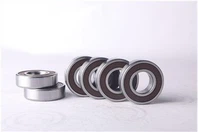
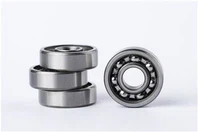
Hey there! As a supplier of Bearing 6203llu, I've seen my fair share of bearing failures. It can be a real headache for both us suppliers and you, the customers. So, in this blog post, I'm gonna share some tips on how to prevent the failure of Bearing 6203llu.
First off, let's understand what Bearing 6203llu is. Bearing 6203llu is a type of small roller bearing. It's commonly used in various machinery and equipment due to its compact size and high performance. But just like any other mechanical part, it's prone to failure if not properly maintained.
1. Proper Installation
The first step in preventing bearing failure is proper installation. You can't just slap the bearing in and expect it to work perfectly. Here are some key points to keep in mind during installation:
- Clean the Installation Area: Make sure the area where you're installing the bearing is clean. Any dirt, dust, or debris can cause premature wear and tear. Use a clean cloth and some appropriate cleaning solvent to wipe down the area.
- Use the Right Tools: Don't try to force the bearing into place with the wrong tools. Use a press or other recommended installation tools to ensure a proper fit. This helps to avoid damage to the bearing during installation.
- Check the Fit: The bearing should fit snugly but not too tightly. If it's too loose, it can cause vibration and misalignment. If it's too tight, it can lead to excessive stress and overheating.
2. Lubrication
Lubrication is crucial for the smooth operation of Bearing 6203llu. It reduces friction, dissipates heat, and protects the bearing from wear and corrosion. Here's what you need to know about lubrication:
- Choose the Right Lubricant: Not all lubricants are created equal. You need to select a lubricant that's suitable for the operating conditions of the bearing. Consider factors like temperature, speed, and load.
- Proper Lubrication Amount: Over - lubrication can be just as bad as under - lubrication. Follow the manufacturer's recommendations for the amount of lubricant to use. Too much lubricant can cause overheating and seal damage, while too little can lead to increased friction.
- Regular Lubrication Schedule: Set up a regular lubrication schedule and stick to it. This ensures that the bearing is always properly lubricated.
3. Operating Conditions
The operating conditions of the bearing have a big impact on its lifespan. Here are some things to watch out for:
- Temperature: High temperatures can cause the lubricant to break down and the bearing material to expand, leading to increased wear. Make sure the operating temperature is within the recommended range. If necessary, use cooling systems to keep the temperature in check.
- Load: Don't overload the bearing. Excessive load can cause premature failure. Make sure the bearing is rated for the load it will be subjected to. If you need to increase the load capacity, consider using a larger or more heavy - duty bearing.
- Speed: Running the bearing at speeds higher than its rated speed can also cause problems. It can lead to increased friction, heat generation, and wear. Stay within the recommended speed limits.
4. Alignment
Proper alignment is essential for the long - term performance of Bearing 6203llu. Misalignment can cause uneven loading, increased friction, and premature wear. Here's how to ensure proper alignment:
- Check Shaft and Housing Alignment: Before installing the bearing, check the alignment of the shaft and the housing. Use alignment tools to make sure they are in line.
- Regular Alignment Checks: Even after installation, it's a good idea to perform regular alignment checks, especially if the equipment is subject to vibration or shock.
5. Protection from Contaminants
Contaminants like dirt, water, and chemicals can cause serious damage to the bearing. Here are some ways to protect the bearing from contaminants:
- Seals and Shields: Use high - quality seals and shields to keep contaminants out. They act as barriers and prevent dirt and moisture from entering the bearing.
- Clean Environment: Try to keep the operating environment as clean as possible. If the equipment is used in a dirty or dusty area, consider using additional protective enclosures.
6. Monitoring and Maintenance
Regular monitoring and maintenance can help you catch potential problems before they turn into major failures. Here are some monitoring and maintenance practices:
- Vibration Analysis: Use vibration analysis tools to detect any abnormal vibrations in the bearing. Unusual vibrations can be a sign of misalignment, wear, or other problems.
- Temperature Monitoring: Keep an eye on the bearing temperature. An increase in temperature can indicate a problem, such as over - lubrication, excessive load, or misalignment.
- Regular Inspections: Perform regular visual inspections of the bearing. Look for signs of wear, damage, or corrosion. If you notice any issues, take action immediately.
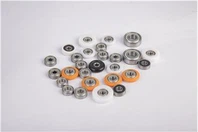
If you're in the market for 20mm Roller Bearing or Small Rollers with Bearings, or if you have any questions about Bearing 6203llu, don't hesitate to reach out. We're here to help you find the right bearing solutions for your needs and ensure that they perform at their best for as long as possible.


Preventing the failure of Bearing 6203llu requires a combination of proper installation, lubrication, attention to operating conditions, alignment, protection from contaminants, and regular monitoring and maintenance. By following these tips, you can significantly extend the lifespan of your bearings and save yourself a lot of time and money in the long run.
References
- Machinery's Handbook, Industrial Press Inc.
- Bearing Manufacturer's Installation and Maintenance Guides.