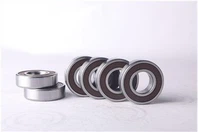
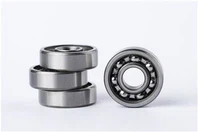
Paper roller bearings are crucial components in the paper manufacturing industry, facilitating the smooth operation of various machines involved in the papermaking process. As a supplier of Paper Roller Bearing, I've witnessed firsthand the challenges that these bearings can face. In this blog, I'll discuss the common failures of paper roller bearings, their causes, and potential solutions.
1. Wear and Tear
One of the most prevalent issues with paper roller bearings is wear and tear. Over time, the continuous rotation and heavy loads placed on the bearings can cause the surfaces of the rolling elements and raceways to gradually deteriorate. This wear can be exacerbated by factors such as high speeds, improper lubrication, and the presence of contaminants.
Causes:
- High-Speed Operation: In modern paper mills, machines often operate at high speeds to meet production demands. This increased speed can lead to higher friction and heat generation, accelerating the wear process.
- Inadequate Lubrication: Lubrication is essential for reducing friction and preventing metal-to-metal contact between the rolling elements and raceways. If the lubricant is not applied correctly or is of poor quality, it can quickly break down, leading to increased wear.
- Contaminants: Paper manufacturing environments are often filled with dust, fibers, and other contaminants. These particles can enter the bearing and act as abrasives, causing premature wear.
Solutions:
- Regular Maintenance: Implement a regular maintenance schedule that includes lubrication checks, cleaning, and inspection of the bearings. This can help identify wear early and prevent further damage.
- Proper Lubrication: Use high-quality lubricants that are specifically designed for paper roller bearings. Ensure that the lubricant is applied in the correct quantity and at the appropriate intervals.
- Sealing: Install effective seals on the bearings to prevent contaminants from entering. This can significantly extend the bearing's service life.
2. Fatigue Failure
Fatigue failure occurs when the material of the bearing experiences repeated stress cycles, leading to the formation and propagation of cracks. This type of failure is common in paper roller bearings due to the cyclic loading they endure during operation.
Causes:
- Overloading: If the bearing is subjected to loads that exceed its rated capacity, it can cause excessive stress on the material, leading to fatigue failure. This can happen if the machine is operating outside of its design parameters or if there are sudden shocks or vibrations.
- Improper Installation: Incorrect installation of the bearing can result in uneven loading and stress distribution. This can increase the likelihood of fatigue failure, especially in areas where the stress is concentrated.
- Material Defects: In some cases, the bearing material may have inherent defects that make it more susceptible to fatigue. These defects can be introduced during the manufacturing process or due to improper heat treatment.
Solutions:
- Load Calculation: Ensure that the bearing is correctly sized for the application and that the loads are within its rated capacity. If necessary, consult with a bearing engineer to determine the appropriate bearing size.
- Proper Installation: Follow the manufacturer's installation instructions carefully to ensure that the bearing is installed correctly. Use the appropriate tools and techniques to avoid damaging the bearing during installation.
- Quality Control: Source bearings from reputable manufacturers that have strict quality control measures in place. This can help ensure that the bearings are free from material defects.
3. Corrosion
Corrosion is another common problem that can affect paper roller bearings, especially in humid or wet environments. Corrosion can weaken the bearing material, leading to reduced performance and eventual failure.
Causes:
- Moisture: Paper manufacturing processes often involve the use of water, and the presence of moisture can accelerate corrosion. If the bearings are not properly protected, they can be exposed to water or steam, leading to rust and corrosion.
- Chemical Exposure: Some paper manufacturing processes use chemicals that can be corrosive to the bearing material. If the bearings come into contact with these chemicals, it can cause significant damage.
- Poor Surface Finish: A rough surface finish on the bearing can provide more sites for corrosion to initiate. This can be a result of improper manufacturing or wear and tear.
Solutions:
- Corrosion-Resistant Materials: Consider using bearings made from corrosion-resistant materials, such as stainless steel or ceramic. These materials are more resistant to rust and corrosion and can provide longer service life in harsh environments.
- Coatings: Apply protective coatings to the bearings to prevent corrosion. These coatings can act as a barrier between the bearing material and the corrosive environment.
- Environmental Control: Control the humidity and temperature in the paper manufacturing environment to reduce the risk of corrosion. Use dehumidifiers or ventilation systems to maintain a dry atmosphere.
4. Misalignment
Misalignment occurs when the bearing is not properly aligned with the shaft or housing. This can cause uneven loading, increased friction, and premature wear.
Causes:


- Installation Errors: Incorrect installation of the bearing, shaft, or housing can result in misalignment. This can happen if the components are not properly positioned or if the mounting surfaces are not flat.
- Thermal Expansion: Temperature changes can cause the components to expand or contract, leading to misalignment. This is especially common in paper manufacturing processes where there are significant temperature variations.
- Shaft Deflection: If the shaft is not rigid enough, it can deflect under load, causing misalignment of the bearing.
Solutions:
- Precision Installation: Ensure that the bearings, shafts, and housings are installed with high precision. Use alignment tools and techniques to ensure that the components are properly aligned.
- Thermal Compensation: Consider using thermal expansion joints or other compensation methods to accommodate temperature changes and prevent misalignment.
- Shaft Stiffening: Increase the stiffness of the shaft to reduce deflection. This can be achieved by using larger diameter shafts or adding support structures.
5. Lubrication Problems
As mentioned earlier, lubrication is crucial for the proper functioning of paper roller bearings. However, there are several lubrication-related problems that can occur, leading to bearing failure.
Causes:
- Lubricant Starvation: If the lubricant is not supplied in sufficient quantity, it can lead to lubricant starvation. This can cause increased friction, heat generation, and wear.
- Lubricant Contamination: Contaminants in the lubricant can reduce its effectiveness and cause damage to the bearing. This can happen if the lubricant is not stored properly or if there is a leak in the lubrication system.
- Lubricant Degradation: Over time, the lubricant can degrade due to factors such as high temperatures, oxidation, and contamination. This can reduce its viscosity and lubricating properties, leading to increased wear.
Solutions:
- Lubrication Monitoring: Implement a lubrication monitoring system that can detect changes in the lubricant's properties, such as viscosity, temperature, and contamination level. This can help identify lubrication problems early and take corrective action.
- Proper Storage and Handling: Store the lubricant in a clean, dry place and follow the manufacturer's instructions for handling and application. This can help prevent contamination and degradation.
- Lubricant Replacement: Replace the lubricant at regular intervals to ensure that it remains effective. Use fresh lubricant that is compatible with the bearing and the operating conditions.
Conclusion
As a supplier of Paper Roller Bearing, I understand the importance of ensuring the reliable operation of these critical components. By being aware of the common failures and their causes, you can take proactive measures to prevent them and extend the service life of your bearings.
If you're experiencing problems with your paper roller bearings or are looking for high-quality bearings for your paper manufacturing equipment, we're here to help. Our team of experts can provide you with the right solutions and support to meet your specific needs. Contact us today to discuss your requirements and start a procurement negotiation.
References
- Harris, T. A., & Kotzalas, M. N. (2007). Rolling Bearing Analysis. John Wiley & Sons.
- SKF Bearing Handbook. SKF Group.
- Timken Engineering Handbook. The Timken Company.