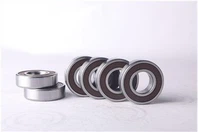
One way rollers, also known as one way bearings or freewheel clutches, are mechanical devices that allow rotation in one direction while preventing it in the opposite direction. As a leading supplier of one way rollers, I have witnessed firsthand the numerous advantages these components offer across various industries. In this blog post, I will delve into the key benefits of one way rollers and explain why they are an essential choice for many applications.
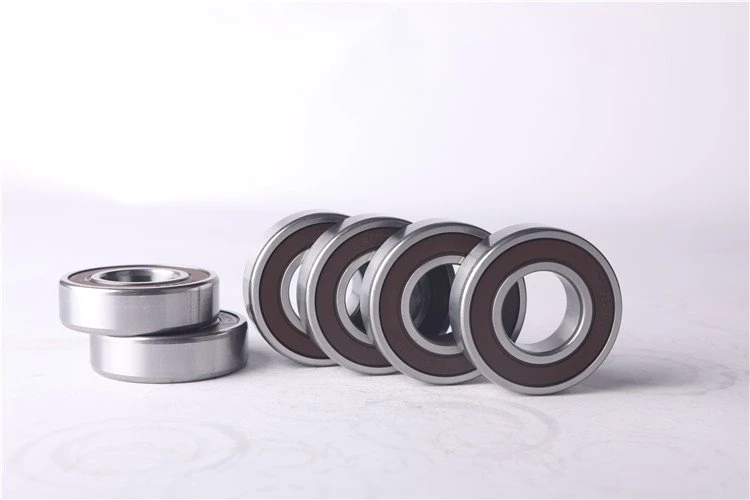

1. Efficient Power Transmission
One of the primary advantages of one way rollers is their ability to provide efficient power transmission. By allowing rotation in only one direction, these devices can optimize the transfer of power from a driving source to a driven component. For example, in a bicycle, the one way roller in the freewheel mechanism enables the rider to pedal forward to drive the wheels while preventing the pedals from spinning when the wheels are moving faster than the pedals. This not only enhances the overall efficiency of the system but also reduces energy loss and wear on the components.
In industrial applications, one way rollers are commonly used in conveyor systems, machine tools, and automotive engines. In conveyor systems, they ensure that the conveyor belt moves in only one direction, preventing reverse movement and potential jams. In machine tools, one way rollers are used to control the direction of rotation of the spindle, improving the accuracy and precision of machining operations. In automotive engines, they are employed in the starter motor to allow the engine to start smoothly and prevent the starter from being damaged by reverse rotation.
2. Overrunning Functionality
Another significant advantage of one way rollers is their overrunning functionality. Overrunning occurs when the driven component rotates faster than the driving component. In such cases, the one way roller disengages the driving and driven components, allowing the driven component to rotate freely without being affected by the driving component. This feature is particularly useful in applications where intermittent motion or speed changes are required.
For instance, in a lawnmower, the one way roller in the blade drive system allows the blades to continue rotating when the engine is turned off. This enables the blades to coast to a stop gradually, reducing the risk of damage to the engine and the blades. In a printing press, one way rollers are used to allow the paper feed mechanism to run at a higher speed than the printing cylinder during the feeding process. This ensures smooth and efficient paper handling, minimizing the occurrence of paper jams.
3. Compact Design
One way rollers are known for their compact design, which makes them ideal for applications where space is limited. Compared to other types of clutches and brakes, one way rollers take up less space and can be easily integrated into existing systems. This is particularly important in modern machinery and equipment, where there is a growing demand for smaller, more lightweight, and more efficient components.
For example, in a small electric motor, a one way roller can be used to provide a simple and effective way to control the direction of rotation. The compact size of the one way roller allows it to be installed directly on the motor shaft, eliminating the need for additional components and reducing the overall size and weight of the motor. In a robotic arm, one way rollers can be used to provide precise control of the movement of the joints. The small size and high torque capacity of the one way rollers enable the robotic arm to perform complex tasks with high accuracy and efficiency.
4. Low Maintenance
One way rollers are relatively low maintenance compared to other types of mechanical components. They have a simple design with few moving parts, which reduces the risk of wear and tear and extends their service life. Additionally, one way rollers do not require lubrication in most applications, which further simplifies maintenance and reduces operating costs.
In industrial applications, where downtime can be costly, the low maintenance requirements of one way rollers are a significant advantage. For example, in a manufacturing plant, a conveyor system equipped with one way rollers can operate continuously for long periods of time without requiring frequent maintenance. This ensures uninterrupted production and reduces the risk of production delays and losses.
5. High Torque Capacity
One way rollers are capable of transmitting high torque, making them suitable for applications that require high power and heavy loads. The design of one way rollers allows them to engage and disengage quickly and smoothly, even under high torque conditions. This enables them to handle sudden changes in load and speed without slipping or causing damage to the components.
For example, in a heavy-duty truck, the one way roller in the transmission system is used to transfer power from the engine to the wheels. The high torque capacity of the one way roller ensures that the truck can accelerate quickly and climb steep hills without losing power. In a large industrial machine, one way rollers are used to control the movement of heavy loads, such as large gears and pulleys. The ability of the one way rollers to transmit high torque enables the machine to operate efficiently and safely.
6. Versatility
One way rollers are highly versatile and can be used in a wide range of applications across various industries. They are available in different sizes, shapes, and configurations to meet the specific requirements of different applications. Additionally, one way rollers can be customized to provide specific features and functions, such as high temperature resistance, corrosion resistance, and high-speed operation.
For example, in the aerospace industry, one way rollers are used in aircraft engines, landing gear systems, and flight control systems. The high reliability and performance of one way rollers make them suitable for these critical applications, where safety and precision are of utmost importance. In the medical industry, one way rollers are used in medical devices, such as surgical instruments and diagnostic equipment. The compact size and low noise operation of one way rollers make them ideal for these applications, where space and noise are major concerns.
Conclusion
In conclusion, one way rollers offer numerous advantages that make them an essential choice for many applications. Their efficient power transmission, overrunning functionality, compact design, low maintenance, high torque capacity, and versatility make them a reliable and cost-effective solution for a wide range of industries. If you are looking for a high-quality one way roller for your application, One Way Roller is the perfect choice. Our one way rollers are designed and manufactured to the highest standards of quality and performance, ensuring long-lasting reliability and smooth operation.
We also offer a wide range of other bearings, including the popular 6205-ZZ bearing. If you have any questions or need further information about our products, please do not hesitate to contact us. We are always happy to assist you with your bearing needs and help you find the best solution for your application. Let's start a discussion about your specific requirements and explore how our one way rollers can enhance the performance and efficiency of your equipment.
References
- Harris, T. A., & Kotzalas, M. N. (2007). Rolling Bearing Analysis. Wiley.
- Palmgren, A. (1959). Ball and Roller Bearing Engineering. SKF Industries.
- Zorzi, M. (2013). Handbook of Bearings. McGraw-Hill.