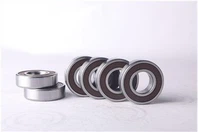
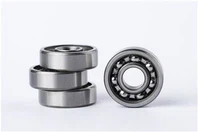
One way rollers are critical components in various mechanical systems, offering unidirectional motion control and torque transmission. As a leading supplier of one way rollers, we're constantly exploring methods to enhance their performance. This blog post will delve into several key strategies that can significantly improve the performance of one way rollers, ensuring they meet and exceed the demanding requirements of modern applications.
Material Selection
The choice of material plays a fundamental role in determining the performance of one way rollers. High - quality materials can enhance durability, reduce friction, and improve the overall efficiency of the roller.

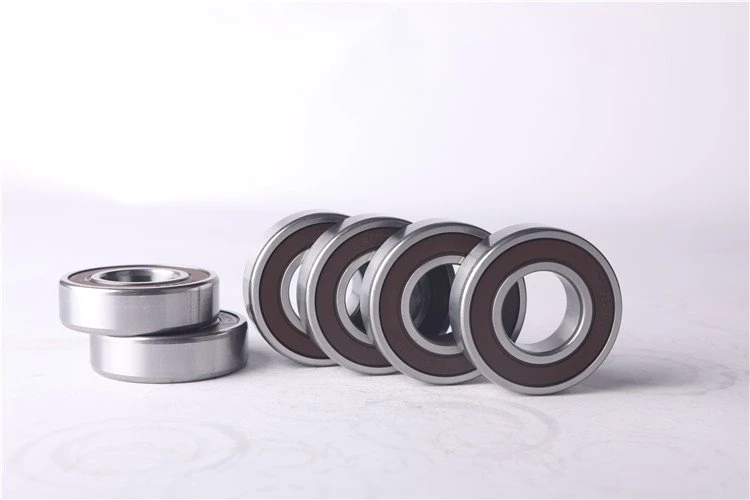
- High - grade Steel: For most industrial applications, high - grade bearing steels such as 52100 are excellent choices. These steels have high hardness, good wear resistance, and can withstand high - stress conditions. The fine - grained structure of 52100 steel provides better fatigue resistance, which is crucial for one way rollers that are subject to repeated loading.
- Surface Treatments: Applying advanced surface treatments can further improve the material's performance. For example, carburizing or nitriding can increase the surface hardness of the roller, enhancing its wear resistance. Additionally, coatings like titanium nitride (TiN) can reduce friction coefficients, leading to smoother operation and less energy loss.
Precision Manufacturing
Precision in manufacturing is vital for the optimal performance of one way rollers. Even slight deviations in dimensions or surface finish can have a significant impact on the roller's functionality.
- Accurate Machining: One way rollers need to be machined with extremely high precision. The diameter, roundness, and straightness of the roller must be within tight tolerances. Modern machining technologies such as CNC (Computer Numerical Control) machining can achieve high - level accuracy, ensuring that each roller meets the required specifications.
- Surface Finish: A smooth surface finish is essential for reducing friction and wear. Polishing the rollers to a high degree of smoothness can minimize the contact area between the roller and other components, thus decreasing frictional forces. This results in less heat generation and better overall performance.
Design Optimization
The design of one way rollers can be optimized to improve their performance in different applications.
- Geometry Design: The shape of the one way roller can be tailored to specific requirements. For example, tapered rollers can provide better load - distribution characteristics compared to cylindrical rollers. Tapered rollers can gradually increase the contact area as the load increases, preventing stress concentration and improving the roller's load - carrying capacity.
- Cage Design: The cage, which holds the rollers in place, also affects the performance of one way rollers. A well - designed cage can ensure proper spacing between rollers, preventing interference and ensuring uniform load distribution. Additionally, lightweight and strong cage materials can reduce the overall weight of the one - way roller assembly, improving efficiency.
Lubrication
Proper lubrication is a key factor in enhancing the performance and lifespan of one way rollers.
- Lubricant Selection: The choice of lubricant depends on the application conditions. For high - temperature applications, synthetic lubricants with good thermal stability are preferred. For high - speed applications, lubricants with low viscosity can reduce frictional drag. Mineral - based lubricants are often used in general - purpose applications due to their cost - effectiveness.
- Lubrication Method: There are various lubrication methods available, such as oil bath lubrication, grease lubrication, and oil - mist lubrication. Oil bath lubrication provides continuous lubrication, suitable for high - load and high - speed applications. Grease lubrication is more convenient and can withstand contamination better, making it a popular choice for many industrial applications.
Quality Control
Rigorous quality control measures are essential to ensure that only high - performance one way rollers reach the market.
- Inspection Procedures: Comprehensive inspection procedures should be in place at every stage of the manufacturing process. This includes dimensional inspection, hardness testing, and surface finish inspection. Non - destructive testing methods, such as ultrasonic testing and magnetic particle inspection, can be used to detect internal defects in the rollers.
- Performance Testing: Before shipping, one way rollers should undergo performance testing under simulated conditions. This includes testing the roller's torque - transmission capacity, one - way locking function, and durability. Only rollers that pass these tests can be considered for sale.
Application - Specific Adaptation
Different applications have different requirements for one way rollers. Adapting the rollers to specific applications can significantly improve their performance.
- Automotive Applications: In automotive transmissions, one way rollers need to be highly reliable and efficient. They should be able to withstand high - speed operation and frequent direction changes. By optimizing the design and material selection for automotive applications, we can ensure that the one way rollers meet the demanding standards of the automotive industry.
- Industrial Machinery: For industrial machinery, such as conveyor systems and machine tools, one way rollers need to provide smooth and precise motion control. Adapting the rollers to the specific load and speed requirements of industrial machinery can enhance the overall performance and productivity of the equipment.
Maintenance and Monitoring
Proper maintenance and monitoring can extend the lifespan of one way rollers and ensure their continuous high - performance operation.
- Regular Maintenance: Regular maintenance includes cleaning the rollers, checking the lubricant level, and inspecting for signs of wear or damage. By following a maintenance schedule, potential problems can be detected and addressed early, preventing costly breakdowns.
- Condition Monitoring: Implementing condition - monitoring techniques, such as vibration analysis and temperature monitoring, can provide real - time information about the roller's performance. Any abnormal changes in vibration or temperature can indicate a potential problem, allowing for timely maintenance or replacement.
If you're interested in learning more about how to optimize the performance of one way rollers or would like to explore our product range, including the 6205 - ZZ and our general One Way Roller offerings, we're here to assist. We're open to having in - depth discussions about your specific requirements, and we encourage you to reach out to us for purchasing and consultation. Our team of experts is ready to answer all your questions and help you find the best solutions for your applications.
References
- Harris, T. A., & Kotzalas, M. N. (2007). Rolling Bearing Analysis. Wiley.
- Bose, A. K. (2003). Handbook of Plastics, Elastomers and Composites. McGraw - Hill.
- Jones, A. R. (1997). Handbook of Basic Engineering Calculations. McGraw - Hill.