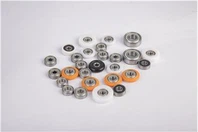
Premature failure of small bearings can lead to increased maintenance costs, production downtime, and even safety hazards. As a dedicated supplier of Small Bearings, I understand the importance of ensuring these critical components operate at their best for as long as possible. In this blog post, I'll share some practical tips on how to prevent small bearings from premature failure.
Understanding the Causes of Premature Failure
Before we delve into prevention strategies, it's essential to understand the common causes of premature bearing failure. These can be broadly categorized into four main areas: improper installation, inadequate lubrication, contamination, and excessive loading.


Improper Installation
Incorrect installation is one of the leading causes of premature bearing failure. If a bearing is not installed correctly, it can lead to misalignment, uneven loading, and excessive stress on the bearing components. This can cause premature wear, fatigue, and ultimately, failure.
To ensure proper installation, it's crucial to follow the manufacturer's guidelines carefully. This includes using the correct tools, applying the right amount of force, and ensuring proper alignment. Additionally, it's important to clean the mating surfaces thoroughly before installation to prevent contamination.
Inadequate Lubrication
Lubrication plays a vital role in bearing performance and longevity. It reduces friction, dissipates heat, and protects the bearing surfaces from wear and corrosion. However, if the lubricant is not applied correctly or is of poor quality, it can lead to premature failure.
There are several factors to consider when it comes to lubrication. First, you need to choose the right type of lubricant for your application. This depends on factors such as the operating temperature, speed, and load. Second, you need to ensure that the lubricant is applied in the correct quantity. Too little lubrication can cause excessive friction and wear, while too much can lead to overheating and seal damage. Finally, you need to monitor the lubricant condition regularly and replace it as needed.
Contamination
Contamination is another common cause of premature bearing failure. Dust, dirt, moisture, and other foreign particles can enter the bearing and cause abrasion, corrosion, and fatigue. This can lead to increased friction, reduced efficiency, and ultimately, failure.
To prevent contamination, it's important to keep the bearing environment clean. This includes using proper seals and shields to prevent dirt and moisture from entering the bearing. Additionally, it's important to handle the bearings carefully during installation and maintenance to avoid introducing contaminants.
Excessive Loading
Excessive loading can also cause premature bearing failure. If a bearing is subjected to loads that exceed its design capacity, it can lead to deformation, cracking, and fatigue. This can cause the bearing to fail prematurely and may also damage other components in the system.
To prevent excessive loading, it's important to choose the right bearing for your application. This includes considering factors such as the load type, magnitude, and direction. Additionally, it's important to ensure that the bearing is properly installed and aligned to distribute the load evenly.
Prevention Strategies
Now that we understand the common causes of premature bearing failure, let's look at some practical strategies for preventing it.
Proper Installation
As mentioned earlier, proper installation is crucial for preventing premature bearing failure. Here are some tips to ensure proper installation:
- Follow the Manufacturer's Guidelines: Always refer to the manufacturer's installation instructions and use the recommended tools and techniques.
- Clean the Mating Surfaces: Thoroughly clean the mating surfaces of the shaft and housing to remove any dirt, debris, or rust.
- Use the Right Tools: Use the correct tools for installation, such as a bearing puller, press, or heating device.
- Apply the Right Amount of Force: Apply the appropriate amount of force during installation to ensure proper seating of the bearing.
- Ensure Proper Alignment: Use alignment tools to ensure that the bearing is properly aligned with the shaft and housing.
Adequate Lubrication
Proper lubrication is essential for preventing premature bearing failure. Here are some tips to ensure adequate lubrication:
- Choose the Right Lubricant: Select a lubricant that is suitable for your application based on factors such as the operating temperature, speed, and load.
- Apply the Correct Quantity: Use the recommended amount of lubricant to ensure proper lubrication without overfilling.
- Monitor the Lubricant Condition: Regularly check the lubricant condition and replace it as needed to maintain its effectiveness.
- Use Lubrication Systems: Consider using automated lubrication systems to ensure consistent and accurate lubrication.
Contamination Prevention
Preventing contamination is key to extending bearing life. Here are some tips to prevent contamination:
- Use Seals and Shields: Install seals and shields on the bearings to prevent dirt, moisture, and other contaminants from entering.
- Keep the Environment Clean: Maintain a clean working environment to minimize the risk of contamination.
- Handle Bearings Carefully: Handle the bearings carefully during installation and maintenance to avoid introducing contaminants.
- Filter the Lubricant: Use a lubricant filter to remove any contaminants from the lubricant.
Load Management
Managing the load on the bearings is essential for preventing premature failure. Here are some tips to manage the load:
- Choose the Right Bearing: Select a bearing that is designed to handle the expected load and operating conditions.
- Distribute the Load Evenly: Ensure that the load is distributed evenly across the bearing to prevent excessive stress on any one area.
- Monitor the Load: Regularly monitor the load on the bearings to detect any changes or abnormalities.
- Use Load Monitoring Systems: Consider using load monitoring systems to provide real-time information about the bearing load.
Case Studies
To illustrate the importance of preventing premature bearing failure, let's look at a couple of case studies.
Case Study 1: A Manufacturing Plant
A manufacturing plant was experiencing frequent bearing failures in their production equipment. After conducting a thorough investigation, it was found that the main cause of the failures was inadequate lubrication. The plant was using a low-quality lubricant that was not suitable for the operating conditions. Additionally, the lubricant was not being applied in the correct quantity, which led to excessive friction and wear.
To address the issue, the plant switched to a high-quality lubricant that was specifically designed for their application. They also implemented a lubrication management program to ensure that the lubricant was applied correctly and monitored regularly. As a result, the bearing failure rate decreased significantly, and the plant was able to reduce maintenance costs and improve production efficiency.
Case Study 2: A Wind Turbine
A wind turbine was experiencing premature bearing failure in its gearbox. After analyzing the failure mode, it was determined that the main cause was contamination. Dust and dirt were entering the gearbox through the seals, which caused abrasion and wear on the bearing surfaces.
To prevent further failures, the wind turbine operator replaced the seals with high-quality, dust-resistant seals. They also installed a filtration system to remove any contaminants from the lubricant. Additionally, they implemented a regular maintenance program to inspect the bearings and lubricant condition. Since implementing these measures, the bearing failure rate has decreased significantly, and the wind turbine has been operating more reliably.
Conclusion
Preventing premature bearing failure is essential for ensuring the reliability and efficiency of your equipment. By understanding the common causes of failure and implementing the prevention strategies outlined in this blog post, you can extend the life of your small bearings and reduce maintenance costs.
As a Small Bearings supplier, we are committed to providing high-quality bearings and expert advice to help you prevent premature failure. If you have any questions or need assistance with your bearing selection or maintenance, please don't hesitate to contact us. We look forward to working with you to ensure the success of your operations.
References
- "Bearing Installation and Maintenance Guide," SKF.
- "Lubrication Basics for Bearings," Timken.
- "Preventing Bearing Contamination," NTN Bearing Corporation.
- "Load Calculation and Bearing Selection," FAG Bearings.