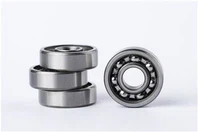
Proper storage of small bearings is crucial for maintaining their performance and longevity. As a trusted Small Bearings supplier, we understand the significance of correct storage methods. In this blog, we will share valuable insights on how to store small bearings properly, ensuring they remain in optimal condition until they are ready for use.
Understanding the Importance of Proper Storage
Small bearings, such as the Small Bearings we supply, are precision components that can be highly sensitive to environmental factors. Improper storage can lead to corrosion, damage to the bearing surfaces, and degradation of lubricants. These issues can significantly reduce the lifespan of the bearings and compromise their performance, leading to costly replacements and downtime in various applications.
Factors Affecting Bearing Storage
- Humidity: High humidity levels can cause moisture to accumulate on the bearing surfaces, leading to corrosion. Corrosion can not only damage the bearing's appearance but also affect its internal structure, reducing its load-carrying capacity and smooth operation.
- Temperature: Extreme temperatures can cause the bearing materials to expand or contract, affecting their dimensional accuracy. Additionally, high temperatures can cause the lubricants in the bearings to break down, reducing their effectiveness.
- Dust and Contamination: Dust, dirt, and other contaminants can enter the bearings and cause abrasion, leading to premature wear and tear. Contamination can also affect the lubrication properties of the bearings, resulting in increased friction and heat generation.
- Vibration and Shock: Excessive vibration and shock can cause damage to the bearing raceways and rolling elements. This can lead to noise, reduced rotational accuracy, and even bearing failure.
- Light: Prolonged exposure to light, especially ultraviolet (UV) light, can cause the lubricants in the bearings to degrade, reducing their lubricating properties.
Best Practices for Storing Small Bearings
- Cleanliness: Before storage, ensure that the bearings are clean and free from any dirt, debris, or contaminants. Use a suitable cleaning agent and a soft cloth to gently clean the bearings. Avoid using abrasive materials or harsh chemicals that may damage the bearing surfaces. Once cleaned, dry the bearings thoroughly to prevent moisture from remaining on the surfaces.
- Packaging: Proper packaging is essential for protecting the bearings during storage. Choose high-quality packaging materials that can provide a barrier against moisture, dust, and other contaminants. Plastic bags, metal containers, or wooden boxes with a protective lining are all suitable options. Make sure the packaging is sealed tightly to prevent any air or moisture from entering. For added protection, you can also use anti-corrosion paper or plastic film inside the packaging.
- Storage Environment: Store the bearings in a clean, dry, and well-ventilated area. The ideal storage temperature should be between 10°C and 30°C, and the relative humidity should be maintained below 60%. Avoid storing the bearings near sources of heat, moisture, or chemicals. If possible, use a humidity-controlled storage room or a dehumidifier to maintain the optimal storage conditions. Additionally, store the bearings away from direct sunlight and UV light to prevent lubricant degradation.
- Orientation: When storing the bearings, it is important to keep them in the correct orientation. Most bearings are designed to be installed in a specific position, and storing them in the wrong orientation can cause damage to the internal components. Follow the manufacturer's recommendations for the correct storage orientation of the bearings. If the bearings are packed in their original containers, they are usually already in the correct orientation.
- Lubrication: If the bearings are not pre-lubricated, it is recommended to apply a thin layer of corrosion-resistant lubricant before storage. This will help protect the bearing surfaces from corrosion and ensure smooth operation when the bearings are installed. Choose a lubricant that is suitable for the specific type of bearing and the application environment. Be careful not to over-lubricate the bearings, as this can attract dust and contaminants.
- Handling: When handling the bearings, always use clean gloves or tools to prevent any dirt or contaminants from being transferred to the bearings. Avoid dropping or hitting the bearings, as this can cause damage to the internal components. If the bearings need to be moved or transported, use a suitable container or packaging to protect them from vibration and shock.
- Inventory Management: Implement a proper inventory management system to keep track of the bearings' storage time and usage. Rotate the stock regularly to ensure that the oldest bearings are used first. This will help prevent the bearings from being stored for too long, which can increase the risk of corrosion and damage. Additionally, keep a record of the bearings' purchase date, installation date, and maintenance history to ensure their proper use and maintenance.
Storing Specific Types of Small Bearings
- Bearing 6200: The Bearing 6200 is a common type of small ball bearing. When storing Bearing 6200, follow the general storage guidelines mentioned above. In addition, make sure to store them in a way that prevents the outer race from being damaged. Since the outer race is an important part of the bearing's load-bearing structure, any damage to it can affect the bearing's performance. Consider using a dedicated bearing storage rack or a box with partitions to keep the bearings separated and protected.
- Bearing 6001ZZ: The Bearing 6001ZZ is a shielded ball bearing. The shields on the Bearing 6001ZZ provide additional protection against dust and contaminants. When storing this type of bearing, pay attention to the integrity of the shields. Make sure the shields are not damaged or deformed during storage. Store the bearings in a way that prevents the shields from coming into contact with sharp objects or other hard surfaces. If the shields are damaged, it can reduce the bearing's ability to protect against contaminants and may lead to premature failure.
Regular Inspection
Even when stored properly, it is important to conduct regular inspections of the bearings. Check for any signs of corrosion, damage, or degradation of the lubricants. If any issues are detected, take appropriate measures immediately, such as cleaning, re-lubricating, or replacing the bearings. Inspect the bearings at least once every six months, or more frequently if the storage conditions are less than ideal. During the inspection, use a magnifying glass or a microscope to check for any small cracks or signs of wear on the bearing surfaces.


Conclusion
Proper storage of small bearings is essential for maintaining their quality and performance. By following the best practices outlined in this blog, you can ensure that your bearings remain in optimal condition until they are needed. As a reliable Small Bearings supplier, we are committed to providing high-quality products and sharing our expertise to help you get the most out of your bearings. If you have any questions about bearing storage or are interested in our Small Bearings products, please feel free to reach out and start a procurement discussion.
References
- "Bearing Installation and Maintenance Handbook" by SKF Group.
- "Fundamentals of Machine Elements" by J.E. Shigley and C.R. Mischke.
- "Machinery's Handbook" by Industrial Press.