Do One Way Rollers require special handling during installation?
As a supplier of One Way Rollers, I often get asked whether these components require special handling during installation. The short answer is yes, but to fully understand why, let's delve deeper into the nature of One Way Rollers and the installation process.
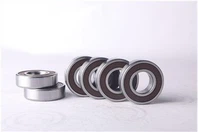
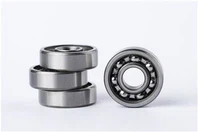
One Way Rollers, available at One Way Roller, are precision - engineered mechanical elements designed to allow rotation in one direction while preventing it in the opposite direction. They are widely used in various industrial applications, such as automotive transmissions, conveyor systems, and power tools. Their unique functionality makes them indispensable in many mechanical setups, but this also means that their installation must be carried out with great care.
The Importance of Cleanliness
One of the most critical aspects of installing One Way Rollers is maintaining a clean environment. Even the smallest particle of dust, dirt, or metal shavings can have a detrimental impact on the performance and lifespan of the roller. During the manufacturing process, One Way Rollers are carefully machined and polished to achieve a high - level of surface finish. Any foreign particles introduced during installation can cause abrasion, leading to premature wear and potential failure of the roller.
Before starting the installation, the work area should be thoroughly cleaned. Use a lint - free cloth and a suitable cleaning solvent to wipe down all the mating surfaces, including the shaft and the housing. It's also advisable to wear clean gloves to prevent transferring oils or dirt from your hands onto the roller.
Proper Alignment
Proper alignment is another key factor in the successful installation of One Way Rollers. Misalignment can cause uneven loading on the roller, which may result in excessive stress, noise, and vibration. This can not only reduce the efficiency of the system but also lead to a shorter service life of the roller.
When installing the One Way Roller, use precision measuring tools to ensure that the shaft and the housing are perfectly aligned. Check both the radial and axial alignment. Radial alignment refers to the concentricity of the shaft and the housing, while axial alignment ensures that the shaft and the housing are parallel to each other. If necessary, use shims or other alignment aids to correct any misalignment.
Correct Fitting
The One Way Roller must be fitted correctly onto the shaft and into the housing. It's important to use the appropriate tools for the job. For example, a hydraulic press can be used to press - fit the roller onto the shaft or into the housing. However, it's crucial to apply the force evenly to avoid damaging the roller.
When pressing the roller, make sure that the force is applied in the correct direction. The roller should be installed in such a way that the direction of rotation is consistent with the intended operation of the system. Incorrect installation can lead to the roller not functioning as intended, which can cause significant problems in the overall system.
Lubrication
Lubrication plays a vital role in the performance and longevity of One Way Rollers. It reduces friction between the moving parts, dissipates heat, and protects against corrosion. Before installation, it's important to apply the correct type and amount of lubricant.
The type of lubricant depends on the specific application and operating conditions of the One Way Roller. For high - speed applications, a synthetic lubricant with good viscosity - temperature characteristics may be required. For applications in harsh environments, a lubricant with excellent anti - wear and anti - corrosion properties is recommended.
Apply the lubricant evenly to all the contact surfaces of the roller, including the rolling elements, raceways, and cages. Be careful not to over - lubricate, as this can cause excessive heat buildup and attract dirt and debris.

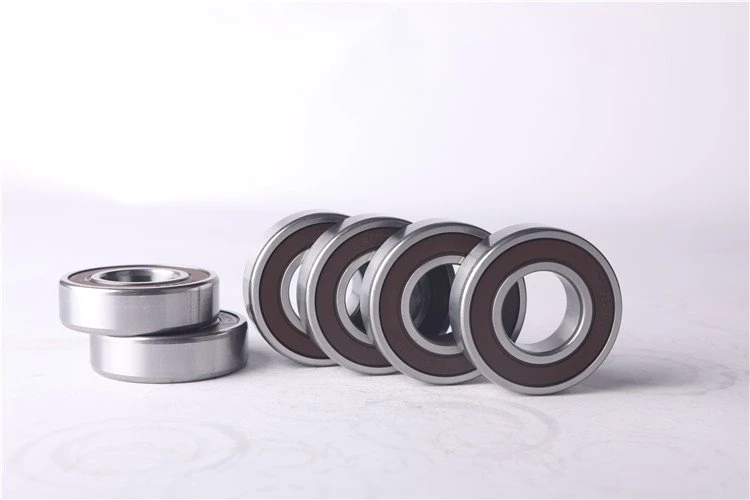
Example: Installation of 6205 - ZZ One Way Roller
Let's take the 6205 - ZZ One Way Roller as an example to illustrate the installation process.
First, clean the shaft and the housing using a degreaser and a clean cloth. Check the dimensions of the shaft and the housing to ensure that they are within the specified tolerance for the 6205 - ZZ roller.
Next, apply a thin layer of the appropriate lubricant to the shaft and the inner race of the roller. Use a hydraulic press to press - fit the roller onto the shaft. Make sure that the press is centered and that the force is applied evenly.
After fitting the roller onto the shaft, clean the housing again and apply lubricant to the outer race of the roller. Carefully insert the roller - shaft assembly into the housing, ensuring proper alignment.
Finally, check the rotation of the roller to make sure that it rotates freely in the intended direction and locks in the opposite direction.
Conclusion
In conclusion, One Way Rollers do require special handling during installation. Cleanliness, proper alignment, correct fitting, and appropriate lubrication are all essential factors that contribute to the successful installation and long - term performance of these components.
If you are in need of One Way Rollers for your application, or if you have any questions about their installation or maintenance, please feel free to contact us. We are always ready to provide you with the best products and professional advice.
References
- "Bearing Installation and Maintenance Handbook", Industry Standard Publication
- "Mechanical Engineering Design", Textbook on mechanical design principles