Can track bearing rollers be used in wet conditions? That's a question I get asked a lot as a Track Bearing Roller supplier. And it's a valid one, considering how often these rollers are used in various environments, some of which can get pretty wet. In this blog, I'm gonna break down whether track bearing rollers can handle wet conditions, what factors come into play, and how you can make sure they perform well even when things get a little soggy.
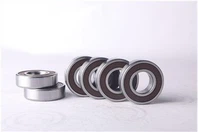
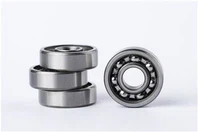
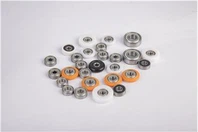
First off, let's talk about what track bearing rollers are. If you're not familiar, a Track Bearing Roller is a type of bearing designed to support and guide loads along a track. They're used in a wide range of applications, from industrial machinery to conveyor systems and even in some automotive parts. These rollers are built to handle heavy loads and provide smooth, reliable movement.
Now, when it comes to using track bearing rollers in wet conditions, the short answer is: it depends. There are a few factors that determine whether these rollers can stand up to moisture and keep working properly.
Material Matters
The material of the track bearing roller is one of the most important factors. Most track bearing rollers are made from steel, which is strong and durable. However, steel is also prone to rust and corrosion when exposed to water. If you're using a standard steel roller in a wet environment, you're likely to run into problems pretty quickly. The rust can cause the roller to seize up, reducing its efficiency and potentially leading to premature failure.
But don't worry, there are solutions. Some track bearing rollers are made from stainless steel, which is much more resistant to corrosion. Stainless steel contains chromium, which forms a protective layer on the surface of the metal, preventing rust from forming. If you're planning to use track bearing rollers in a wet environment, stainless steel is definitely the way to go.
Another option is to use rollers with a special coating. There are various types of coatings available that can provide an extra layer of protection against moisture. For example, some coatings are designed to repel water, while others are more resistant to corrosion. These coatings can significantly extend the lifespan of the roller in wet conditions.
Sealing and Lubrication
Sealing and lubrication are also crucial when it comes to using track bearing rollers in wet conditions. A good seal can prevent water from getting inside the roller and causing damage. Most track bearing rollers come with some form of sealing, but the quality of the seal can vary. If you're using the rollers in a particularly wet environment, you may want to consider rollers with a higher-quality seal.
Lubrication is another important factor. Proper lubrication helps to reduce friction and wear, and it can also provide some protection against moisture. However, not all lubricants are suitable for wet conditions. Some lubricants can wash away when exposed to water, leaving the roller unprotected. You'll need to choose a lubricant that is specifically designed for use in wet environments. These lubricants are usually water-resistant and can provide long-lasting protection.
Environmental Conditions
The specific environmental conditions also play a role in whether track bearing rollers can be used in wet conditions. For example, if the water is just a light mist or occasional splashes, the rollers may be able to handle it without any major issues. However, if the rollers are constantly submerged in water or exposed to high humidity for long periods of time, you'll need to take extra precautions.
The temperature of the water can also affect the performance of the rollers. Cold water can cause the lubricant to thicken, reducing its effectiveness. On the other hand, hot water can cause the lubricant to break down more quickly. You'll need to consider the temperature of the water and choose a lubricant that is suitable for those conditions.
Maintenance
Regular maintenance is essential when using track bearing rollers in wet conditions. You'll need to inspect the rollers regularly for signs of wear, rust, or damage. If you notice any problems, you should address them immediately to prevent further damage.
Cleaning the rollers is also important. You can use a mild detergent and water to clean the rollers, but make sure to dry them thoroughly afterwards. You may also want to apply a fresh coat of lubricant after cleaning to ensure that the rollers are properly protected.
Conclusion
So, can track bearing rollers be used in wet conditions? The answer is yes, but you need to take the right precautions. By choosing the right material, seal, and lubricant, and by performing regular maintenance, you can ensure that your track bearing rollers perform well even in wet environments.
If you're in the market for track bearing rollers and need them to work in wet conditions, I'd be happy to help. As a Track Bearing Roller supplier, I have a wide range of options available, including stainless steel rollers and rollers with special coatings. I can also provide advice on the best sealing and lubrication solutions for your specific application.


Don't hesitate to reach out if you have any questions or if you're interested in learning more about our products. I'm here to help you find the right track bearing rollers for your needs, and I'm confident that I can provide you with a solution that will work well in wet conditions. Let's get in touch and start the conversation about your next project.
References
- Machinery's Handbook, 31st Edition
- Industrial Bearing Handbook
- Bearing Engineering and Application Guide