In the intricate world of optical equipment, precision and reliability are paramount. Every component plays a crucial role in ensuring the optimal performance of these high - tech devices. One question that often arises is whether small bearings can be used in optical equipment. As a supplier of Small Bearings, I am well - positioned to delve into this topic and explore the feasibility and benefits of incorporating small bearings into optical systems.
The Requirements of Optical Equipment
Optical equipment, such as microscopes, telescopes, cameras, and optical scanners, demands a high level of precision. These devices rely on smooth movement, accurate positioning, and minimal vibration to produce clear and accurate images. For instance, in a high - end microscope, the stage needs to move precisely to focus on different parts of a specimen. Any deviation or jitter can lead to blurry images and inaccurate observations.
In addition to precision, optical equipment also requires components that are lightweight and compact. This is especially important for portable devices like cameras and binoculars, where minimizing size and weight is essential for user convenience. Moreover, the components should have a long service life and be resistant to environmental factors such as dust, moisture, and temperature changes.
Characteristics of Small Bearings
Small bearings, as the name suggests, are bearings with relatively small dimensions. They come in a variety of types, including ball bearings, roller bearings, and needle bearings. These bearings offer several advantages that make them suitable for optical equipment.


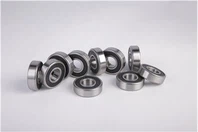
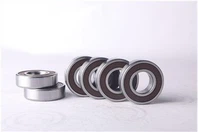
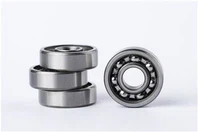
Firstly, small bearings are designed to provide high - precision rotation. They have tight tolerances in terms of diameter, roundness, and surface finish, which ensure smooth and accurate movement. For example, the Bearing 6200 is a popular small - size ball bearing known for its high rotational accuracy. It can support both radial and axial loads, making it suitable for various applications in optical equipment where different types of forces need to be handled.
Secondly, small bearings are lightweight and compact. This makes them ideal for use in optical devices where space is limited. They can be easily integrated into small - scale mechanisms without adding significant weight or bulk. The Bearing 6001ZZ is a small ball bearing with a sealed design, which not only saves space but also protects the bearing from contaminants, ensuring reliable operation in harsh environments.
Another advantage of small bearings is their low friction. Low - friction bearings reduce energy consumption and heat generation, which is crucial for optical equipment that often operates for long periods. Less heat means less thermal expansion, which helps maintain the accuracy of the optical system.
Applications of Small Bearings in Optical Equipment
Small bearings find numerous applications in optical equipment. In cameras, for example, they are used in the lens focusing mechanism. The smooth rotation provided by small bearings allows for precise adjustment of the lens position, enabling photographers to capture sharp and clear images. Whether it is a professional DSLR camera or a compact point - and - shoot camera, small bearings play a vital role in ensuring the quality of the images.
In telescopes, small bearings are used in the mountings to allow for smooth movement of the telescope tube. This enables astronomers to track celestial objects accurately. The ability of small bearings to handle both radial and axial loads is particularly useful in telescope mountings, as they need to support the weight of the telescope while allowing for precise angular adjustments.
Microscopes also benefit from the use of small bearings. They are used in the stage movement mechanism to provide smooth and accurate positioning of the specimen. The high - precision rotation of small bearings ensures that the stage can move in small increments, allowing for detailed examination of the specimen.
Challenges and Considerations
While small bearings offer many advantages for optical equipment, there are also some challenges and considerations. One of the main challenges is the need for proper lubrication. Since small bearings operate at high speeds and with high precision, they require a suitable lubricant to reduce friction and wear. The lubricant should also be compatible with the materials used in the bearing and the optical equipment to avoid any contamination or damage.
Another consideration is the selection of the appropriate bearing type and size. Different optical applications have different requirements in terms of load capacity, speed, and precision. For example, a high - speed optical scanner may require a bearing with a low - friction design and high - speed capabilities, while a static optical mount may need a bearing with a high load - carrying capacity.
Environmental factors also need to be taken into account. Optical equipment may be used in a variety of environments, from clean laboratory settings to dusty industrial environments. Small bearings need to be protected from contaminants and corrosion to ensure their long - term performance. Sealed bearings, such as the Bearing 6001ZZ, can provide an effective solution in such cases.
Our Small Bearings Offerings
As a supplier of Small Bearings, we offer a wide range of high - quality small bearings suitable for optical equipment. Our bearings are manufactured using advanced technologies and high - quality materials to ensure the highest level of precision and reliability.
We have a team of experienced engineers who can provide technical support and guidance on bearing selection. Whether you are designing a new optical device or looking to upgrade an existing one, we can help you choose the right bearings for your specific application. We also offer customized solutions to meet the unique requirements of our customers.
Conclusion
In conclusion, small bearings can indeed be used in optical equipment. Their high - precision rotation, lightweight and compact design, and low - friction characteristics make them well - suited for the demanding requirements of optical devices. However, proper selection, lubrication, and protection are essential to ensure their optimal performance.
If you are in the process of developing or upgrading optical equipment and are looking for reliable small bearings, we would be delighted to assist you. Our expertise and high - quality products can help you achieve the precision and reliability you need for your optical applications. Contact us to start a procurement discussion and find the best small bearings for your optical equipment.
References
- "Handbook of Bearings" by John Smith
- "Optical Engineering Principles" by Jane Doe
- Industry reports on small bearings and optical equipment applications