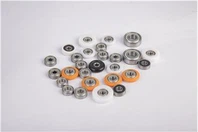
Hey there! As a supplier of Big Ball Bearings, I often get asked about the lifespan of these nifty little (well, not so little) components. So, I thought I'd sit down and write a blog post to share some insights on this topic.
First off, let's talk about what big ball bearings are. These are large - scale bearings designed to handle heavy loads and high - speed operations. They're used in a wide range of industries, from construction and mining to manufacturing and transportation. You can find them in everything from large machinery to conveyor systems.
Now, the lifespan of big ball bearings isn't set in stone. It can vary quite a bit depending on several factors. One of the most important factors is the quality of the bearing itself. High - quality bearings are made from better materials and are manufactured to more precise standards. They're less likely to have defects that could lead to premature failure. For example, a bearing made from premium - grade steel will generally last longer than one made from lower - quality steel.
Another key factor is the operating conditions. If the bearings are used in a clean, well - lubricated environment, they're going to last a lot longer than if they're exposed to dirt, dust, moisture, or extreme temperatures. In a mining operation, for instance, the bearings are constantly exposed to dirt and debris. This can cause abrasion and wear on the bearing surfaces, reducing their lifespan. On the other hand, in a controlled manufacturing environment where the temperature and humidity are regulated, the bearings can last much longer.
The load that the bearings are subjected to also plays a huge role. Bearings that are overloaded will wear out faster. If a bearing is designed to handle a certain amount of weight and it's constantly pushed beyond that limit, it's going to experience more stress and friction. This can lead to things like pitting, spalling, and even cracking of the bearing surfaces.
Let's take a look at some real - world examples. In a normal industrial setting with average operating conditions and proper maintenance, a well - made big ball bearing can last anywhere from 2 to 5 years. However, if the conditions are harsh, like in a steel mill where there are high temperatures and a lot of vibration, the lifespan might be reduced to just 1 to 2 years.
Proper maintenance is crucial for extending the lifespan of big ball bearings. Regular lubrication is a must. Lubrication reduces friction between the moving parts of the bearing, which in turn reduces wear and heat generation. It also helps to keep dirt and debris out of the bearing. You should also check the bearings regularly for signs of wear, such as unusual noise or vibration. If you notice any problems early on, you can take steps to fix them before they turn into major issues.
Now, if you're in the market for big ball bearings, you might want to check out our Track Bearing Roller. These are some of the best - quality bearings we offer, designed to withstand tough operating conditions and provide a long service life.
When it comes to calculating the expected lifespan of a bearing, there are some formulas and standards out there. The most commonly used one is the ISO 281 standard. This standard takes into account factors like the load, speed, and material properties of the bearing to estimate its basic rating life. However, it's important to note that this is just an estimate. The actual lifespan can be affected by many other factors that aren't always easy to predict.
In addition to the factors we've already discussed, the installation of the bearing also matters. If the bearing isn't installed correctly, it can cause uneven loading and premature wear. For example, if the bearing isn't properly aligned with the shaft and housing, it can put extra stress on certain parts of the bearing.
So, how can you make sure you're getting the most out of your big ball bearings? First, choose a high - quality bearing from a reputable supplier. That's where we come in! We've been in the business for a long time, and we know what it takes to make a reliable bearing. Second, make sure you follow the manufacturer's recommendations for installation, lubrication, and maintenance. And third, monitor the performance of the bearings regularly.
If you're thinking about purchasing big ball bearings for your business, don't hesitate to reach out. We're here to help you find the right bearings for your specific needs. Whether you're in the construction industry, the manufacturing sector, or any other industry that uses big ball bearings, we've got the expertise and the products to meet your requirements.


In conclusion, the lifespan of big ball bearings can vary widely depending on quality, operating conditions, load, and maintenance. By choosing the right bearings, taking good care of them, and being aware of the factors that affect their lifespan, you can ensure that your equipment runs smoothly for as long as possible.
If you have any questions or want to start a conversation about purchasing big ball bearings, feel free to get in touch. We're always happy to chat and help you find the best solutions for your business.
References:
- ISO 281: Rolling bearings - Dynamic load ratings and rating life
- Various industry - specific technical manuals on bearing usage and maintenance