Hey there! As a supplier of Small Bearings, I often get asked if small bearings can be used in medical equipment. Well, the short answer is yes! But let's dive deeper into this topic and explore the ins and outs of using small bearings in the medical field.
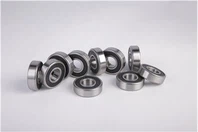
First off, what exactly are small bearings? Small bearings are, as the name suggests, bearings that are relatively small in size. They come in various types, including ball bearings, roller bearings, and needle bearings, each with its own unique characteristics and applications. These bearings are designed to reduce friction between moving parts, allowing for smooth and efficient operation.
Now, why would medical equipment need small bearings? Medical devices often require precise and reliable movement. Whether it's a surgical robot, a diagnostic imaging machine, or a simple handheld medical tool, small bearings play a crucial role in ensuring that these devices function properly. For example, in a surgical robot, small bearings are used to enable the precise movement of robotic arms, allowing surgeons to perform minimally invasive procedures with greater accuracy.
One of the key advantages of using small bearings in medical equipment is their size. Their compact design allows them to fit into tight spaces within medical devices, making them ideal for applications where space is limited. This is especially important in portable medical equipment, such as handheld ultrasound machines or portable X - ray devices, where size and weight are critical factors.
Another advantage is their high precision. Small bearings are manufactured to very tight tolerances, which means they can provide accurate and consistent movement. This is essential in medical applications where even the slightest deviation can have serious consequences. For instance, in a blood centrifuge, small bearings ensure that the rotor spins smoothly and precisely, separating blood components effectively.
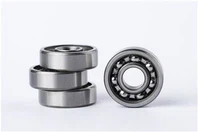
Let's talk about some specific types of small bearings that are commonly used in medical equipment. The Bearing 6200 is a popular choice. It's a deep - groove ball bearing that offers high radial load capacity and low friction. This makes it suitable for a wide range of medical applications, including electric motors in medical devices.
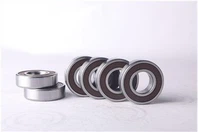
The Bearing 6001ZZ is another great option. It's a shielded ball bearing, which means it has metal shields on both sides to protect the bearing from dust and contaminants. This is particularly important in medical environments where cleanliness is of utmost importance.
Of course, using small bearings in medical equipment also comes with some challenges. One of the main challenges is ensuring biocompatibility. Medical devices often come into contact with the human body, so the materials used in the bearings must be safe and non - toxic. Manufacturers need to carefully select materials such as stainless steel or ceramic that meet the strict biocompatibility standards.
Another challenge is sterilization. Medical equipment needs to be sterilized regularly to prevent the spread of infections. Small bearings must be able to withstand the sterilization processes, such as autoclaving or chemical sterilization, without losing their performance.
As a supplier of Small Bearings, I understand the importance of meeting these challenges. We work closely with our customers to provide bearings that are not only high - quality but also meet the specific requirements of the medical industry. Our bearings are made from high - grade materials that are biocompatible and can withstand the rigors of sterilization.
In addition to biocompatibility and sterilization, we also focus on other aspects such as noise reduction and long - term reliability. In medical equipment, quiet operation is often desired, especially in a hospital or clinical setting. Our small bearings are designed to operate quietly, minimizing any distractions for patients and medical staff.
When it comes to long - term reliability, we use advanced manufacturing techniques and quality control processes to ensure that our bearings have a long service life. This reduces the need for frequent replacements, which is not only cost - effective but also minimizes downtime for medical devices.
So, if you're in the medical equipment manufacturing industry and are looking for high - quality small bearings, you've come to the right place. We offer a wide range of small bearings that are suitable for various medical applications. Whether you need a bearing for a new product development or a replacement bearing for an existing device, we can provide you with the right solution.
If you're interested in learning more about our small bearings or would like to discuss your specific requirements, don't hesitate to get in touch. We're always happy to have a chat and help you find the perfect bearings for your medical equipment.


In conclusion, small bearings can definitely be used in medical equipment, and they offer many advantages in terms of size, precision, and performance. However, it's important to choose the right bearings that meet the specific requirements of the medical industry. As a trusted supplier of small bearings, we're committed to providing high - quality products and excellent customer service. So, let's work together to make your medical equipment even better!
References:
- "Handbook of Bearings in Medical Devices"
- "Medical Device Design and Development: Principles and Practices"