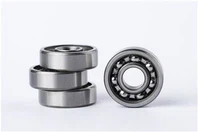
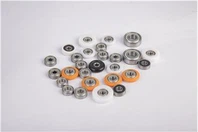
As a trusted supplier of Small Bearings, I understand the crucial role these components play in various industries. Small bearings are integral to the smooth operation of countless machines, from precision instruments to high - performance motors. However, one of the most common and potentially damaging issues that small bearings face is overheating. In this blog, I will share some effective strategies on how to prevent small bearings from overheating.
Understanding the Causes of Overheating in Small Bearings
Before we delve into the prevention methods, it is essential to understand the root causes of overheating in small bearings. Several factors can contribute to this problem, including:
1. Inadequate Lubrication
Lubrication is the lifeblood of bearings. It reduces friction between the rolling elements and the raceways, dissipates heat, and protects against wear and corrosion. When there is insufficient lubrication, the friction increases significantly, generating excessive heat. This can lead to premature wear, seizure, and ultimately, bearing failure.


2. Overloading
If a small bearing is subjected to loads that exceed its rated capacity, it will experience increased stress and friction. This extra stress causes the bearing to work harder, generating more heat. Overloading can occur due to improper design, incorrect installation, or changes in the operating conditions of the machinery.
3. Poor Installation
Incorrect installation is a common cause of bearing overheating. If the bearing is not installed properly, it can lead to misalignment, uneven loading, and excessive pre - loading. Misaligned bearings can cause the rolling elements to deviate from their intended paths, increasing friction and heat generation.
4. Contamination
Dirt, dust, moisture, and other contaminants can enter the bearing and damage the rolling elements and raceways. Contamination can cause abrasion, corrosion, and increased friction, all of which contribute to overheating.
5. High - Speed Operation
At high speeds, the centrifugal forces acting on the bearing components increase, as does the frictional heat. If the bearing is not designed to handle high - speed operation or if the cooling mechanisms are inadequate, overheating can occur.
Prevention Strategies
1. Proper Lubrication
- Select the Right Lubricant: Different applications require different types of lubricants. Consider factors such as the operating temperature, speed, load, and environment when choosing a lubricant. For high - temperature applications, synthetic lubricants may be more suitable as they have better thermal stability.
- Maintain the Correct Lubricant Level: Too little lubrication can cause overheating, while too much can lead to churning losses and increased heat generation. Follow the manufacturer's recommendations for the correct lubricant level.
- Regular Lubrication Checks and Replacements: Establish a regular lubrication maintenance schedule. Check the lubricant level and quality periodically and replace the lubricant as needed.
2. Avoid Overloading
- Understand the Bearing's Load Capacity: Before selecting a small bearing for an application, carefully review its load - rating specifications. Ensure that the bearing can handle the expected loads, including both radial and axial loads.
- Monitor the Operating Conditions: Keep an eye on the operating conditions of the machinery. If there are any changes in the load, speed, or temperature, assess whether the bearing can still operate safely. If necessary, upgrade the bearing to a higher - capacity model.
3. Proper Installation
- Follow the Installation Instructions: Always follow the manufacturer's installation guidelines. Use the correct tools and techniques to ensure a proper fit. For example, use a press or a heating method to install the bearing on the shaft or in the housing.
- Check for Alignment: Misalignment can cause significant problems for small bearings. Use alignment tools to ensure that the shaft and the housing are properly aligned before installing the bearing.
4. Contamination Control
- Sealing: Use bearings with appropriate seals to prevent contaminants from entering. Sealed bearings, such as the Bearing 6001ZZ, are designed to keep dirt and moisture out, reducing the risk of contamination and overheating.
- Clean the Operating Environment: Keep the area around the bearing clean. Use filters and ventilation systems to remove dust and debris from the air. If the bearing is operating in a harsh environment, consider using additional protective enclosures.
5. Manage High - Speed Operation
- Choose High - Speed Bearings: For applications that require high - speed operation, select bearings specifically designed for such conditions. These bearings often have features such as special cage designs and low - friction materials to reduce heat generation.
- Implement Cooling Systems: In high - speed applications, it may be necessary to implement cooling systems to dissipate the heat generated by the bearing. This can include using fans, heat sinks, or circulating coolant.
Monitoring and Maintenance
1. Temperature Monitoring
Install temperature sensors near the bearing to monitor its temperature continuously. By tracking the temperature, you can detect early signs of overheating and take corrective action before significant damage occurs.
2. Vibration Analysis
Vibration analysis is a powerful tool for detecting bearing problems. Abnormal vibrations can indicate issues such as misalignment, wear, or damage. Regularly perform vibration analysis to identify potential problems and address them promptly.
3. Regular Inspections
Conduct regular visual inspections of the bearings. Look for signs of wear, damage, or contamination. Check the lubricant level and quality during these inspections. Replace any worn or damaged bearings immediately.
Conclusion
Preventing small bearings from overheating is essential for ensuring the reliable and efficient operation of machinery. By understanding the causes of overheating and implementing the prevention strategies outlined above, you can extend the service life of your bearings and reduce the risk of costly breakdowns.
As a Small Bearings supplier, I am committed to providing high - quality bearings and expert advice to help you keep your equipment running smoothly. If you have any questions about bearing selection, installation, or maintenance, or if you are interested in purchasing our Small Bearings such as the 6901ZZ --Thin Section Bearings/Floor Sweeper Motor, please feel free to contact us for further discussions and procurement negotiations.
References
- Harris, T. A., & Kotzalas, M. N. (2007). Rolling Bearing Analysis. John Wiley & Sons.
- Zaretsky, E. V. (2010). Ball and Roller Bearing Engineering. CRC Press.
- SKF Bearing Handbook. SKF Group.