Hey there! I'm a supplier of big ball bearings, and today I wanna chat about whether these hefty components can be used in marine applications. It's a question I get quite a bit, so let's dig into it.
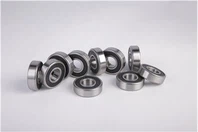
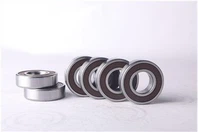
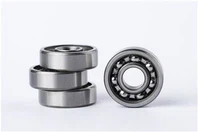
First off, what are big ball bearings? Well, they're exactly what they sound like - larger - than - average ball bearings. These bad boys are designed to handle heavy loads and high - speed operations. They consist of an inner ring, an outer ring, a set of balls, and a cage that keeps the balls in place. The size of the balls and the overall dimensions of the bearing make them stand out from regular - sized bearings.
Now, the marine environment is a tough one. It's full of challenges like saltwater corrosion, high humidity, and extreme temperature variations. Boats, ships, and other marine equipment operate in this harsh setting, so any component used has to be up to the task.
One of the key factors when considering big ball bearings for marine applications is their load - carrying capacity. In the marine world, there are all sorts of heavy machinery and equipment. For example, ship propulsion systems need to move massive vessels through the water. Big ball bearings can handle the high radial and axial loads associated with these operations. They're built to distribute the load evenly across the balls, which helps prevent premature wear and tear.
Let's talk about corrosion. Saltwater is a major enemy in the marine environment. It can cause rust and corrosion on metal components, which can lead to failure. But many big ball bearings are made from materials that are resistant to corrosion. Stainless steel is a popular choice. It has a high chromium content, which forms a protective layer on the surface of the bearing, preventing the saltwater from eating away at it. Some bearings also have special coatings that add an extra layer of protection.
Another aspect is the lubrication. In marine applications, proper lubrication is crucial. Big ball bearings need to be lubricated to reduce friction and heat generation. In the marine environment, the lubricant has to be able to withstand the harsh conditions. There are marine - grade lubricants available that are formulated to resist water wash - out and provide long - lasting protection.
Now, let's consider some specific marine applications where big ball bearings can be useful.
-
Propulsion systems: As I mentioned earlier, ship propulsion systems require bearings that can handle heavy loads. Big ball bearings can be used in the shafts and gears of the propulsion system. They ensure smooth rotation and help transfer power efficiently from the engine to the propeller.
-
Steering systems: Steering a large ship is no easy feat. Big ball bearings can be used in the steering mechanisms to provide precise control. They help reduce the effort required to turn the rudder and ensure that the ship can change direction smoothly.


-
Deck machinery: On a ship's deck, there are various types of machinery like winches and cranes. These machines need bearings that can handle the heavy loads associated with lifting and moving cargo. Big ball bearings can be found in the rotating parts of these machines, ensuring reliable operation.
But it's not all sunshine and roses. There are also some challenges when using big ball bearings in marine applications.
One challenge is the size and weight. Big ball bearings are, well, big. They can be heavy and take up a lot of space. In some marine applications where space is limited, it might be difficult to fit them in. Also, the weight can be a concern, especially on smaller boats where every extra pound matters.
Another issue is the cost. Big ball bearings are generally more expensive than regular - sized bearings. The materials, manufacturing processes, and the precision required to make them all contribute to the higher cost. For some marine operators on a tight budget, this can be a deterrent.
Now, if you're thinking about using big ball bearings in your marine applications, it's important to do your research. Make sure you choose the right type of bearing for your specific needs. Consider factors like the load, speed, corrosion resistance, and lubrication requirements.
If you're looking for high - quality big ball bearings, I've got you covered. And if you're interested in a specific type of bearing, check out our Track Bearing Roller. It's a great option for many marine applications.
So, can big ball bearings be used in marine applications? The answer is a resounding yes. They have the load - carrying capacity, corrosion resistance, and other features that make them suitable for the tough marine environment. But you need to be aware of the challenges and choose the right bearing for your needs.
If you're in the market for big ball bearings for your marine equipment, don't hesitate to reach out. I'm here to help you find the perfect solution for your specific requirements. Whether you're building a new ship or upgrading an existing one, I can provide you with the high - performance bearings you need. Let's have a chat and see how we can work together to keep your marine equipment running smoothly.
References:
- Machinery's Handbook: A comprehensive guide to mechanical engineering, which includes information on bearings and their applications.
- Marine Engineering Textbooks: These textbooks cover various aspects of marine engineering, including the use of bearings in different systems.
- Industry reports on marine equipment and component manufacturers, which provide insights into the latest trends and technologies in the marine bearing market.