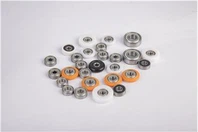
Hey there! As a supplier of Small Bearings, I've seen firsthand how crucial it is to pick the right small bearings for low-noise applications. In this blog, I'll share some tips and tricks to help you make the best choice.
Understanding the Basics of Low-Noise Bearings
First things first, let's talk about why noise matters. In many applications, like home appliances, office equipment, and medical devices, excessive noise can be a real pain. It can not only be annoying to users but also indicate potential problems with the equipment. That's where low-noise bearings come in.
Low-noise bearings are designed to minimize the noise generated during operation. They achieve this through various means, such as precision manufacturing, high-quality materials, and special lubrication. When choosing small bearings for a low-noise application, it's essential to understand these factors and how they affect the bearing's performance.
Factors to Consider When Choosing Small Bearings for Low-Noise Applications
1. Bearing Type
There are several types of small bearings available, each with its own characteristics and noise levels. The most common types include ball bearings, roller bearings, and needle bearings.
- Ball Bearings: Ball bearings are widely used in low-noise applications due to their smooth operation and low friction. They are suitable for high-speed applications and can handle both radial and axial loads. For example, Bearing 6200 is a popular choice for many low-noise applications. It offers good performance and reliability at a reasonable price.
- Roller Bearings: Roller bearings can handle heavier loads than ball bearings but may generate more noise. However, there are special designs available that are optimized for low-noise operation. They are commonly used in applications where high load capacity is required.
- Needle Bearings: Needle bearings are compact and have a high load-carrying capacity. They are often used in applications where space is limited. While they can generate some noise, proper selection and installation can help minimize it.
2. Precision Grade
The precision grade of a bearing refers to its manufacturing accuracy. Higher precision grades generally result in lower noise levels. Bearings are typically classified into different precision grades, such as P0, P6, P5, P4, and P2, with P2 being the highest precision.
For low-noise applications, it's recommended to choose bearings with a higher precision grade. However, keep in mind that higher precision bearings are usually more expensive. So, you need to balance the cost with the required noise level and performance.
3. Material Quality
The material used in the bearing also plays a significant role in its noise performance. High-quality materials, such as chrome steel or stainless steel, can reduce friction and wear, resulting in lower noise. Additionally, the surface finish of the bearing components can affect noise levels. A smooth surface finish helps to minimize vibrations and noise.
4. Lubrication
Proper lubrication is essential for reducing noise in bearings. Lubricants help to reduce friction, prevent wear, and dissipate heat. There are different types of lubricants available, including grease and oil.
- Grease Lubrication: Grease is a popular choice for small bearings in low-noise applications. It provides long-lasting lubrication and helps to seal the bearing, preventing contaminants from entering. However, the type and amount of grease used can affect the noise level. It's important to choose the right grease for the application and ensure that it is applied correctly.
- Oil Lubrication: Oil lubrication is suitable for high-speed applications or where continuous lubrication is required. It can provide better cooling and lubrication than grease but may require a more complex lubrication system.
5. Load and Speed
The load and speed requirements of the application are important factors to consider when choosing small bearings for low-noise applications. Bearings are designed to handle specific loads and speeds, and exceeding these limits can result in increased noise and premature failure.
Make sure to choose bearings that are rated for the expected load and speed of your application. If the load or speed requirements are close to the bearing's limits, it may be necessary to choose a larger or more robust bearing.
6. Installation and Mounting
Proper installation and mounting of the bearings are crucial for low-noise operation. Incorrect installation can cause misalignment, which can lead to increased noise and wear.
Follow the manufacturer's instructions carefully when installing the bearings. Use the right tools and techniques to ensure that the bearings are installed correctly. Additionally, make sure that the mounting surface is clean, flat, and free of any defects.
Testing and Verification
Once you've selected the small bearings for your low-noise application, it's a good idea to test and verify their performance. You can use various methods to measure the noise level, such as sound level meters or vibration sensors.
Conducting tests in a controlled environment can help you determine if the bearings meet your noise requirements. If the noise level is higher than expected, you may need to re-evaluate your bearing selection or make adjustments to the installation or operating conditions.
Conclusion
Choosing the right small bearings for a low-noise application requires careful consideration of several factors, including bearing type, precision grade, material quality, lubrication, load and speed, and installation. By understanding these factors and following the tips outlined in this blog, you can select bearings that will provide reliable and quiet operation for your equipment.


If you're still unsure about which small bearings are best for your low-noise application, don't hesitate to reach out to us. We're here to help you make the right choice and ensure that your equipment performs at its best. Whether you need advice on bearing selection, installation, or maintenance, our team of experts is ready to assist you.
References
- Machinery's Handbook, 31st Edition
- Bearing Design and Application Handbook
- SKF Bearing Engineering Handbook