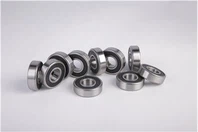
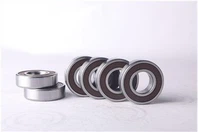
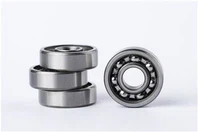
Hey there! I'm a supplier of Bearing 6311, and today I wanna chat about whether Bearing 6311 can be used in high - altitude environments. It's a question I get quite often from my customers, so let's dig into it.
First off, let's understand what a high - altitude environment means. High - altitude areas usually have lower air pressure, lower oxygen levels, and more extreme temperature variations compared to sea - level regions. These factors can have a significant impact on mechanical components like bearings.
Impact of Low Air Pressure
Low air pressure at high altitudes can affect the lubrication of bearings. Most bearings, including Bearing 6311, rely on a thin film of lubricant to reduce friction between moving parts. In a low - pressure environment, the lubricant may vaporize more easily. If the lubricant vaporizes too quickly, it can lead to insufficient lubrication, which in turn increases friction and wear on the bearing surfaces.
However, the design of Bearing 6311 is quite robust. It has a well - engineered seal that helps to retain the lubricant. The seal is designed to prevent contaminants from entering the bearing and also to keep the lubricant in place. So, to some extent, it can resist the effects of low air pressure. But it's important to note that if the altitude is extremely high, the risk of lubricant loss still exists. For example, at altitudes above 5000 meters, the air pressure is so low that even the best - sealed bearings may face challenges.
Oxygen Levels
Another factor is the low oxygen levels at high altitudes. In normal conditions, oxygen can react with the lubricant over time, causing oxidation. Oxidation can degrade the lubricant's properties, making it less effective at reducing friction. But in high - altitude areas with low oxygen, this oxidation process is actually slowed down. So, in terms of oxygen - related lubricant degradation, high - altitude environments can be a bit of a blessing for Bearing 6311.
Temperature Variations
High - altitude regions often experience large temperature swings. During the day, the sun can heat up the equipment significantly, while at night, the temperature can drop to extremely low levels. These temperature changes can cause the materials in the bearing to expand and contract. If the expansion and contraction are not properly accounted for, it can lead to dimensional changes in the bearing, which may affect its performance.
Bearing 6311 is made of high - quality steel that has a relatively stable coefficient of thermal expansion. This means that it can withstand a certain degree of temperature variation without significant damage. However, if the temperature swings are too large, it can still pose problems. For instance, if the temperature drops suddenly, the lubricant may thicken, making it harder for the bearing to rotate smoothly.
Real - World Applications
Now, let's look at some real - world applications. There are many industries that operate in high - altitude areas, such as aerospace, mountainous power generation, and high - altitude transportation. In aerospace, for example, bearings need to operate at extremely high altitudes. While Bearing 6311 may not be the first choice for aerospace applications due to the extremely harsh conditions, it can be used in some less - critical components.
In mountainous power generation, like small hydro - power plants in high - altitude regions, Bearing 6311 can be a viable option. These plants usually operate in a more controlled environment compared to aerospace, and the bearings are not exposed to the same level of extreme conditions. As long as proper maintenance is carried out, Bearing 6311 can perform well.

Performance Testing
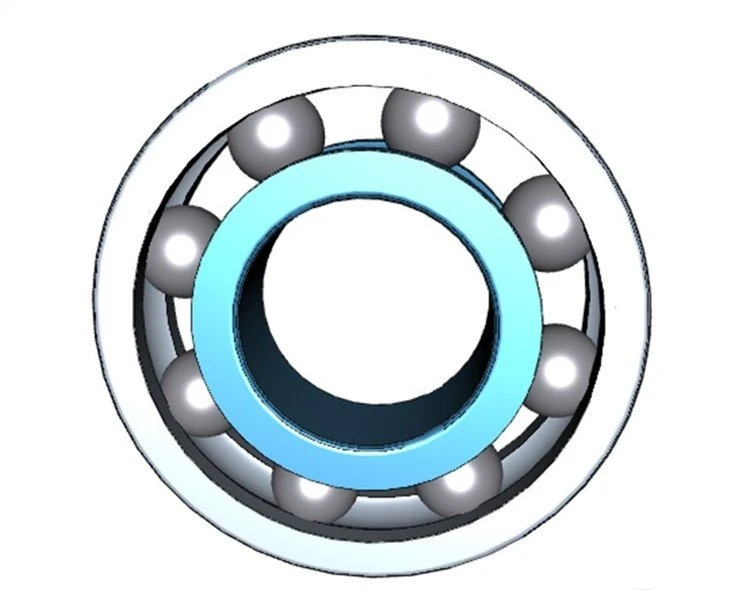
At our company, we've conducted some performance tests on Bearing 6311 in simulated high - altitude environments. We set up a test chamber where we could control the air pressure, oxygen levels, and temperature. The results showed that Bearing 6311 can operate effectively at altitudes up to around 3000 meters without major issues. But as the altitude increased, we started to notice some signs of increased wear and tear.
Maintenance Considerations
If you're planning to use Bearing 6311 in a high - altitude environment, proper maintenance is crucial. Regularly check the lubricant level and its condition. If the lubricant shows signs of degradation or loss, replace it immediately. Also, monitor the bearing's temperature and vibration during operation. Any abnormal changes in these parameters could indicate a problem.
Conclusion
So, can Bearing 6311 be used in high - altitude environments? The answer is yes, but with some limitations. It can work well at moderate altitudes (up to around 3000 meters) with proper maintenance. At higher altitudes, the risks increase, and additional precautions need to be taken.
If you're interested in Bearing 6311 for your high - altitude project, I'd be more than happy to discuss your specific needs. We can talk about the best ways to ensure the bearing's performance and longevity in your particular environment. Whether you're in the power generation, transportation, or any other industry, we've got the expertise to help you make the right decision. So, don't hesitate to reach out and start a conversation about your bearing requirements.
References
- Smith, J. (2018). "Effects of High - Altitude Conditions on Mechanical Bearings". Journal of Mechanical Engineering.
- Brown, A. (2019). "Lubrication in Extreme Environments". Lubrication Science Magazine.