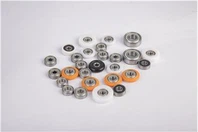
As a dedicated supplier of Small Bearings, I understand the critical importance of ensuring the correct fit of small bearings on shafts. This seemingly straightforward task can have a profound impact on the performance, reliability, and longevity of various mechanical systems. In this blog post, I will share some key insights and practical tips on how to achieve the correct fit of small bearings on shafts.
Understanding the Basics of Bearing Fit
Before delving into the fitting process, it is essential to understand the concept of bearing fit. A bearing fit refers to the amount of interference or clearance between the bearing bore and the shaft diameter. There are three main types of fits: clearance fit, transition fit, and interference fit.
- Clearance Fit: In a clearance fit, there is a gap between the bearing bore and the shaft diameter. This type of fit allows for easy installation and removal of the bearing but may result in reduced accuracy and increased vibration.
- Transition Fit: A transition fit provides a small amount of interference or clearance. It offers a balance between ease of installation and a secure fit, making it suitable for many applications.
- Interference Fit: An interference fit occurs when the shaft diameter is larger than the bearing bore. This type of fit creates a tight connection between the bearing and the shaft, ensuring high accuracy and preventing relative movement. However, it requires more force during installation.
Selecting the Right Bearing for the Shaft
The first step in ensuring the correct fit is to select the appropriate bearing for the shaft. Consider the following factors when making your selection:
- Shaft Diameter: Measure the shaft diameter accurately to determine the correct bearing size. Small bearings come in a wide range of sizes, so it is crucial to choose a bearing with a bore diameter that matches the shaft diameter within the specified tolerance.
- Load Requirements: Evaluate the radial and axial loads that the bearing will be subjected to. Different bearing designs and materials are better suited for specific load conditions. For example, deep groove ball bearings are suitable for moderate radial and axial loads, while angular contact ball bearings can handle higher axial loads.
- Speed and Precision: Consider the operating speed and precision requirements of the application. High-speed applications may require bearings with low friction and high precision, such as ceramic hybrid bearings.
- Environmental Conditions: Take into account the environmental conditions in which the bearing will operate. Factors such as temperature, humidity, and the presence of contaminants can affect the performance and lifespan of the bearing. Sealed or shielded bearings can provide protection against dirt, dust, and moisture.
Preparing the Shaft and Bearing
Once you have selected the right bearing, it is important to prepare the shaft and bearing properly before installation. Follow these steps:
- Clean the Shaft and Bearing: Remove any dirt, grease, or debris from the shaft and bearing surfaces using a clean, lint-free cloth and a suitable cleaning agent. This will prevent contaminants from causing damage to the bearing during installation.
- Inspect the Shaft and Bearing: Check the shaft and bearing for any signs of damage, such as scratches, dents, or corrosion. A damaged shaft or bearing can affect the fit and performance of the bearing. If any damage is found, replace the damaged component.
- Apply Lubrication: Apply a thin layer of lubricant to the shaft and bearing surfaces. Lubrication helps to reduce friction during installation and provides protection against wear and corrosion. Choose a lubricant that is compatible with the bearing material and the operating conditions.
Installing the Bearing on the Shaft
Proper installation techniques are crucial for achieving the correct fit and ensuring the long-term performance of the bearing. Here are some guidelines to follow:
- Use the Right Tools: Use appropriate tools for bearing installation, such as a bearing puller, press, or sleeve. Avoid using hammers or other sharp objects that can damage the bearing.
- Apply Even Pressure: When installing the bearing, apply even pressure to the bearing outer ring or the inner ring, depending on the type of fit. This will ensure that the bearing is installed straight and evenly on the shaft.
- Monitor the Installation Process: Monitor the installation process closely to ensure that the bearing is being installed correctly. If you encounter any resistance or difficulty during installation, stop and check for any issues, such as misalignment or a damaged shaft.
- Verify the Fit: After installing the bearing, verify the fit by checking the axial and radial clearance. Use a feeler gauge or a dial indicator to measure the clearance and ensure that it is within the specified tolerance.
Checking and Adjusting the Fit
Once the bearing is installed, it is important to check and adjust the fit if necessary. Here are some methods for checking the fit:


- Visual Inspection: Inspect the bearing and shaft for any signs of misalignment or damage. Look for uneven wear patterns, scratches, or other abnormalities that may indicate a problem with the fit.
- Measurement: Use precision measuring tools, such as micrometers or calipers, to measure the shaft diameter and the bearing bore diameter. Compare the measurements to the specified tolerance to ensure that the fit is within the acceptable range.
- Run-in Test: Perform a run-in test to check the performance of the bearing. Start the equipment at a low speed and gradually increase the speed while monitoring the temperature, vibration, and noise levels. If any issues are detected, stop the equipment and investigate the cause.
Maintenance and Monitoring
Proper maintenance and monitoring are essential for ensuring the continued correct fit of small bearings on shafts. Here are some tips for maintaining the bearing fit:
- Regular Lubrication: Follow the manufacturer's recommendations for lubrication intervals and use the appropriate lubricant. Regular lubrication helps to reduce friction, prevent wear, and extend the lifespan of the bearing.
- Inspection and Cleaning: Periodically inspect the bearing and shaft for signs of wear, damage, or contamination. Clean the bearing and shaft as needed to remove any dirt or debris.
- Vibration and Temperature Monitoring: Install vibration and temperature sensors to monitor the performance of the bearing. Unusual vibrations or temperature spikes may indicate a problem with the fit or other issues.
- Replacement: If the bearing shows signs of excessive wear or damage, replace it promptly to prevent further damage to the equipment.
Conclusion
Ensuring the correct fit of small bearings on shafts is a critical aspect of maintaining the performance and reliability of mechanical systems. By selecting the right bearing, preparing the shaft and bearing properly, using correct installation techniques, and performing regular maintenance and monitoring, you can achieve a secure and accurate fit that will extend the lifespan of the bearing and improve the overall efficiency of the equipment.
If you are in need of high-quality Small Bearings or have any questions about bearing fit, please feel free to contact us for more information. We are committed to providing our customers with the best products and services to meet their specific needs.
References
- Harris, T. A., & Kotzalas, M. N. (2007). Rolling Bearing Analysis. Wiley-Interscience.
- Schaeffler Technologies AG & Co. KG. (2019). Bearing Calculation Manual.
- SKF Group. (2020). SKF Bearing Handbook.