Can a One Way Roller be used in a medical device?
In the ever - evolving landscape of medical technology, the search for reliable, efficient, and innovative components is a constant endeavor. As a One Way Roller supplier, I have often pondered the question: Can a One Way Roller be used in a medical device? In this blog, we will delve into the technical aspects, potential applications, and the viability of integrating One Way Roller into medical devices.
Understanding One Way Rollers
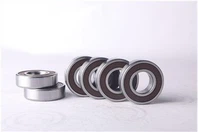
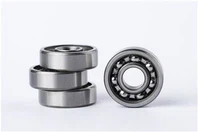
Before exploring their potential in medical applications, it's essential to understand what One Way Rollers are. A One Way Roller is a type of bearing that allows rotation in one direction while preventing it in the opposite direction. This characteristic is achieved through a mechanism that engages and disengages depending on the direction of the applied force. The rollers are typically contained within a raceway and are designed to lock when a reverse motion is attempted.
One of the key advantages of One Way Rollers is their high torque transmission capacity. They can handle significant loads while maintaining smooth and precise operation. Additionally, they offer low friction, which is crucial for minimizing energy consumption and wear over time. These features make One Way Rollers an attractive option for a variety of industrial and mechanical applications.
Technical Requirements in Medical Devices
Medical devices operate in a highly regulated environment, where precision, reliability, and safety are of utmost importance. They must meet strict standards set by regulatory bodies such as the Food and Drug Administration (FDA) in the United States and the European Union's Medical Device Regulation (MDR).
Precision is critical in medical devices, as even the slightest deviation can have serious consequences for patient health. For example, in surgical instruments, accurate movement and positioning are essential for successful procedures. Reliability is also non - negotiable, as medical devices are often used in life - critical situations. A malfunctioning device can lead to patient injury or even death. Safety is the top priority, which includes biocompatibility, sterilizability, and the prevention of contamination.
Potential Applications of One Way Rollers in Medical Devices
Surgical Instruments
One potential application of One Way Rollers is in surgical instruments. For instance, in laparoscopic instruments, a One Way Roller could be used to control the direction of rotation of certain components. This would allow surgeons to have more precise control over the instrument's movement during minimally invasive procedures. By using a One Way Roller, the instrument can be designed to rotate smoothly in one direction for a particular task, such as grasping or cutting, while preventing unwanted reverse rotation that could potentially cause damage to surrounding tissues.
Medical Equipment with Moving Parts
Many types of medical equipment, such as infusion pumps and ventilators, have moving parts that require precise control. One Way Rollers can be used to ensure that the movement of these parts occurs in the desired direction only. In an infusion pump, for example, a One Way Roller could be used to prevent backflow of the medication, ensuring that the correct dosage is delivered to the patient. In a ventilator, it could help maintain the proper airflow direction, which is crucial for patient ventilation.
Rehabilitation Devices
Rehabilitation devices are designed to assist patients in regaining their motor skills and strength. One Way Rollers could be incorporated into these devices to provide resistance in one direction. For example, in a hand - rehabilitation device, a One Way Roller can make the movement more challenging in the direction that is intended to strengthen the muscles, while allowing easy movement in the opposite direction for relaxation. This can enhance the effectiveness of the rehabilitation process.
Challenges of Using One Way Rollers in Medical Devices
Biocompatibility
One of the most significant challenges is ensuring the biocompatibility of One Way Rollers. Since medical devices often come into direct or indirect contact with the human body, the materials used in the One Way Rollers must not cause any adverse reactions. This requires careful selection of materials and surface treatments to prevent corrosion, leaching of harmful substances, and immune responses.
Sterilization
Medical devices need to be sterilized regularly to prevent the spread of infections. One Way Rollers must be able to withstand the sterilization processes, such as autoclaving, ethylene oxide sterilization, or gamma irradiation, without losing their functionality. Some materials may degrade or change their properties under these harsh conditions, which could affect the performance of the One Way Roller.
Regulatory Compliance
As mentioned earlier, medical devices are subject to strict regulatory requirements. Integrating One Way Rollers into medical devices means that the entire product must comply with these regulations. This includes providing extensive documentation on the design, manufacturing process, and performance of the One Way Rollers, as well as conducting rigorous testing to demonstrate their safety and effectiveness.
Overcoming the Challenges
To address the issue of biocompatibility, we can work with materials scientists to select and develop biocompatible materials for One Way Rollers. For example, using stainless steel grades that are known for their excellent corrosion resistance and biocompatibility, or exploring the use of advanced polymers that can meet the requirements of medical applications.
In terms of sterilization, we can conduct in - depth research on the effects of different sterilization methods on One Way Rollers. By optimizing the design and manufacturing process, we can ensure that the One Way Rollers can withstand multiple sterilization cycles without significant degradation.
For regulatory compliance, our team of experts can work closely with medical device manufacturers to understand the specific regulatory requirements of each product. We can provide detailed technical documentation and support throughout the regulatory approval process, ensuring that the One Way Rollers meet all the necessary standards.
Case Study: A Hypothetical Medical Device
Let's consider a hypothetical medical device, a new type of orthopedic rehabilitation device. This device is designed to help patients with knee injuries regain strength and mobility. The device uses a One Way Roller to provide resistance during the extension phase of the knee movement, while allowing smooth and easy flexion.
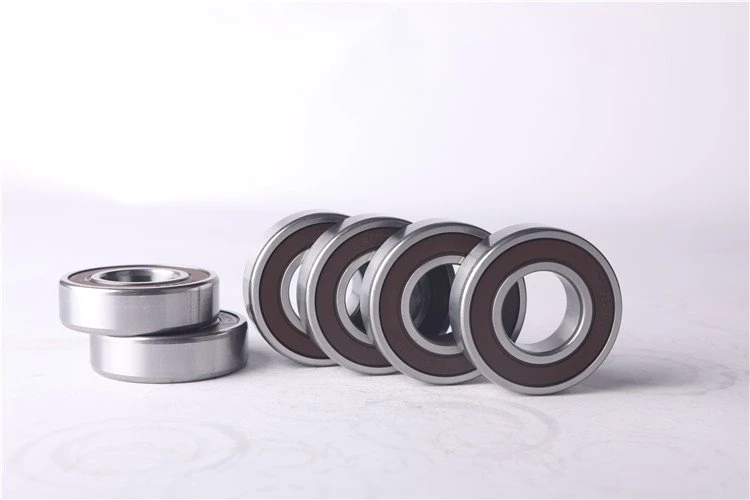

The One Way Roller is made of a biocompatible stainless steel alloy that has been specifically treated to enhance its corrosion resistance. It is designed to fit seamlessly into the device's mechanism, providing precise and reliable operation. The device has undergone extensive testing to ensure its safety and effectiveness, and it is currently in the process of obtaining regulatory approval.
Conclusion
The use of One Way Roller in medical devices presents both opportunities and challenges. While there are significant technical hurdles to overcome, such as biocompatibility, sterilization, and regulatory compliance, the potential benefits in terms of precision, reliability, and functionality are substantial.
As a One Way Roller supplier, we are committed to working with medical device manufacturers to develop solutions that meet the high standards of the medical industry. Our 6205 - ZZ and other One Way Roller products are designed to offer the best performance and reliability.
If you are a medical device manufacturer interested in exploring the use of One Way Rollers in your products, we invite you to contact us for further discussions. We can provide you with detailed product information, technical support, and samples for testing. Let's work together to bring innovative and high - quality medical devices to the market.
References
- "Medical Device Regulations: A Global Overview" by Regulatory Affairs Professionals Society
- "Biomaterials Science: An Introduction to Materials in Medicine" by Buddy D. Ratner, Allan S. Hoffman, Frederick J. Schoen, and Jack E. Lemons
- "Bearing Technology Handbook" by SKF Group