Hey there! As a supplier of One Way Rollers, I often get asked whether a One Way Roller can be used in a machine tool. Well, let's dive right into it and find out!
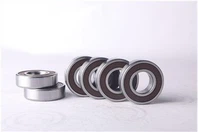
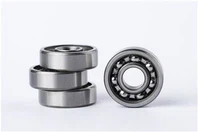
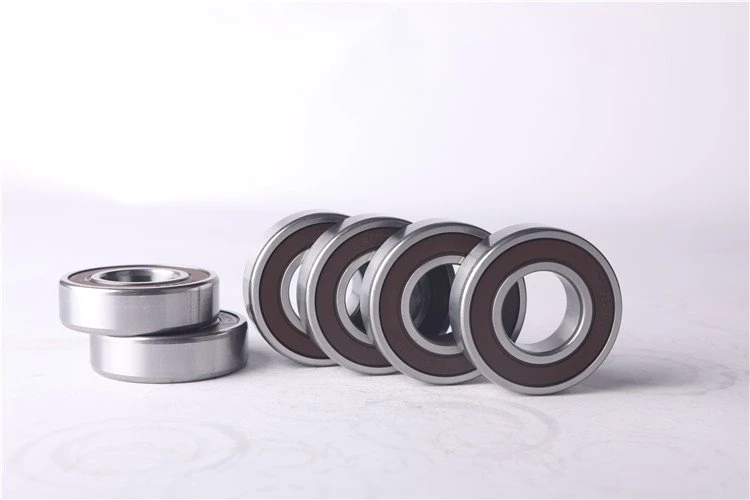
First off, what exactly is a One Way Roller? A One Way Roller is a type of bearing that allows rotation in one direction while preventing it in the opposite direction. It's a pretty nifty little device that has a wide range of applications.

Now, when it comes to machine tools, there are a lot of different factors to consider. Machine tools are used for various operations like cutting, shaping, and drilling materials. They need to be precise, reliable, and efficient. So, can a One Way Roller fit the bill?
One of the key advantages of using a One Way Roller in a machine tool is its ability to control the direction of rotation. In many machine tool operations, you only want the spindle or a particular component to rotate in one direction. For example, in a lathe, the cutting tool needs to move in a specific direction relative to the workpiece. A One Way Roller can ensure that the rotation is always in the correct direction, which helps in achieving accurate cuts and better surface finishes.
Let's take a closer look at some specific machine tool applications where a One Way Roller can be beneficial.
1. Milling Machines
In a milling machine, the cutter rotates to remove material from the workpiece. Sometimes, you might want to prevent the cutter from rotating in the wrong direction during certain operations. A One Way Roller can be installed in the drive system of the milling machine to ensure that the cutter always rotates in the intended direction. This not only improves the quality of the milling process but also reduces the risk of damage to the cutter and the workpiece.
2. Drilling Machines
When drilling holes in a workpiece, it's crucial to have the drill bit rotating in the correct direction. A One Way Roller can be incorporated into the drill press to prevent the drill bit from reversing during the drilling operation. This helps in maintaining the integrity of the hole and reduces the chances of the drill bit getting stuck or breaking.
3. Grinding Machines
Grinding machines use abrasive wheels to remove material from the workpiece. The rotation of the grinding wheel needs to be precisely controlled to achieve the desired surface finish. A One Way Roller can be used in the drive mechanism of the grinding machine to ensure that the wheel always rotates in the correct direction, which improves the grinding efficiency and the quality of the finished surface.
4. Lathes
Lathes are used for turning operations, where the workpiece rotates while the cutting tool removes material. A One Way Roller can be used in the spindle drive of the lathe to ensure that the workpiece always rotates in the correct direction. This is especially important when performing threading operations, as the thread pitch and direction need to be consistent.
Another advantage of using a One Way Roller in machine tools is its durability. Machine tools are often subjected to high loads and vibrations during operation. One Way Rollers are designed to withstand these harsh conditions and provide reliable performance over a long period of time. They are made from high-quality materials and are engineered to have a high load-carrying capacity.
However, it's important to note that not all machine tool applications will require a One Way Roller. The decision to use a One Way Roller depends on the specific requirements of the machine tool and the operation being performed. For example, if the machine tool already has a built-in mechanism for controlling the direction of rotation, then a One Way Roller may not be necessary.
When selecting a One Way Roller for a machine tool application, there are a few things to keep in mind.
1. Load Capacity
You need to ensure that the One Way Roller has a sufficient load-carrying capacity to handle the forces and torques generated during the machine tool operation. The load capacity of a One Way Roller depends on its size, design, and the materials used.
2. Speed Rating
The speed rating of the One Way Roller is also an important consideration. You need to make sure that the roller can operate at the required rotational speed of the machine tool without overheating or experiencing excessive wear.
3. Installation and Compatibility
The One Way Roller needs to be installed correctly in the machine tool. It should be compatible with the existing drive system and other components of the machine. You may need to consult with a professional engineer or a technical expert to ensure that the installation is done properly.
Now, let's talk about the types of One Way Rollers available. There are different designs and configurations of One Way Rollers, each with its own advantages and disadvantages.
1. Sprag-Type One Way Rollers
Sprag-type One Way Rollers use sprags (small wedges) to engage and disengage the inner and outer races. They are known for their high torque capacity and quick engagement. Sprag-type One Way Rollers are commonly used in applications where rapid changes in rotation direction are required.
2. Roller-Clutch Type One Way Rollers
Roller-clutch type One Way Rollers use rollers and a cage to control the engagement and disengagement of the races. They are more suitable for applications where smooth and continuous rotation is needed. Roller-clutch type One Way Rollers are often used in high-speed machine tool applications.
In addition to the performance benefits, using a One Way Roller in a machine tool can also lead to cost savings. By preventing incorrect rotation and reducing the risk of damage to the machine tool components, you can extend the lifespan of the machine tool and reduce maintenance costs.
So, to answer the question "Can a One Way Roller be used in a machine tool?" the answer is a resounding yes! A One Way Roller can be a valuable addition to many machine tool applications, providing improved performance, accuracy, and reliability.
If you're in the market for a One Way Roller for your machine tool, I'd be more than happy to help. We offer a wide range of One Way Rollers in different sizes, designs, and load capacities to meet your specific requirements. Whether you need a 6205-ZZ or a custom-made One Way Roller, we've got you covered.
Don't hesitate to get in touch with us to discuss your needs and find the perfect One Way Roller for your machine tool. We're here to assist you every step of the way.
References
- "Bearing Handbook" by SKF
- "Machine Tool Design" by John A. Schey
- "Manufacturing Engineering and Technology" by Serope Kalpakjian and Steven R. Schmid