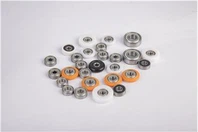
Hey there! As a supplier of Miniature Bearings, I've seen my fair share of issues with these little guys. Miniature bearings are used in a ton of different applications, from small motors to precision instruments. But like any mechanical part, they can fail. In this blog, I'll chat about some of the common failure modes of miniature bearings and what you can do to avoid them.
1. Fatigue Failure
One of the most common failure modes of miniature bearings is fatigue failure. Fatigue happens when the bearing is subjected to repeated loading over time. The constant stress causes small cracks to form on the surface of the bearing raceways or balls. As these cracks grow, they can eventually lead to the complete failure of the bearing.
You can usually spot fatigue failure by looking for pitting or spalling on the bearing surfaces. Pitting looks like small holes on the surface, while spalling is the flaking off of small pieces of material. Fatigue failure is often related to the load and speed of the bearing. If the bearing is overloaded or running at a high speed for an extended period, the chances of fatigue failure increase.
To prevent fatigue failure, it's important to select the right bearing for the application. Make sure the bearing has a high enough load capacity and speed rating. Regular maintenance and lubrication can also help reduce the stress on the bearing and extend its lifespan.
2. Lubrication Issues
Lubrication is crucial for the proper functioning of miniature bearings. It reduces friction, prevents wear, and helps dissipate heat. But if the lubrication is not right, it can lead to all sorts of problems.
One common lubrication issue is insufficient lubrication. If there isn't enough lubricant, the bearing surfaces will rub against each other, causing increased friction and wear. This can lead to overheating and premature failure of the bearing. On the other hand, too much lubrication can also be a problem. Excess lubricant can cause the bearing to overheat due to the increased drag, and it can also attract dirt and debris, which can damage the bearing.
Another issue is the degradation of the lubricant. Over time, lubricants can break down due to factors like high temperatures, oxidation, and contamination. When the lubricant breaks down, it loses its ability to protect the bearing, and wear and tear will increase.
To avoid lubrication issues, make sure to use the right type of lubricant for the application. Check the lubricant regularly and replace it when necessary. Also, keep the bearing clean to prevent contamination.
3. Contamination
Contamination is another major cause of failure in miniature bearings. Contaminants can include dirt, dust, metal particles, and moisture. When these contaminants get into the bearing, they can cause abrasion, corrosion, and damage to the bearing surfaces.
Dirt and dust particles can act like sandpaper, scratching the bearing raceways and balls. This can lead to increased friction, noise, and wear. Metal particles from nearby components or from the bearing itself (due to wear) can also cause damage. Moisture is a big problem because it can cause corrosion, which weakens the bearing material and can lead to premature failure.
To prevent contamination, it's important to keep the bearing environment clean. Use seals and shields to keep contaminants out. If the bearing is used in a dirty or wet environment, consider using a bearing with better sealing properties.
4. Misalignment
Misalignment occurs when the bearing is not installed correctly or when the shaft and housing are not in proper alignment. When a bearing is misaligned, the load is not distributed evenly across the bearing surfaces. This can cause uneven wear, increased stress, and premature failure.
You might notice signs of misalignment like abnormal noise, vibration, or a change in the operating temperature of the bearing. Misalignment can also lead to the bending of the shaft or damage to the housing.
To avoid misalignment, make sure to follow the installation instructions carefully. Use proper alignment tools during installation. If possible, check the alignment regularly during operation to catch any issues early.
5. Improper Installation
Improper installation is a common mistake that can lead to bearing failure. If the bearing is not installed correctly, it can be damaged during the installation process. For example, if too much force is applied during installation, it can cause damage to the bearing raceways or balls.
Also, if the bearing is not seated properly in the housing or on the shaft, it can lead to misalignment and uneven loading. Another issue is the use of the wrong installation tools. Using improper tools can scratch or damage the bearing surfaces.


To ensure proper installation, use the right tools and follow the manufacturer's installation guidelines. Make sure the bearing is clean and free of any debris before installation.
Examples of Bearings and Their Applications
Let's take a look at some specific types of miniature bearings and their common applications, along with how the above failure modes can affect them.
-
Skater Roller Bearing 608: These bearings are commonly used in skateboards, inline skates, and other small rolling applications. In a skating environment, contamination is a big concern. Dust and dirt from the ground can easily get into the bearing, causing abrasion and wear. Also, if the bearing is not lubricated properly, the friction will increase, making the skating experience less smooth. You can find more about Skater Roller Bearing 608 here.
-
Ball Bearing Wheels Home Appliance: These bearings are used in various home appliances like washing machines, refrigerators, and fans. In a home appliance, lubrication issues can be a problem. Over time, the lubricant in the bearing can break down due to the heat generated by the appliance. Also, if the appliance is not properly maintained and there is a lot of dust around, contamination can occur. Check out Ball Bearing Wheels Home Appliance for more details.
-
Stainless Steel Deep Groove Ball Bearings: These bearings are often used in applications where corrosion resistance is important, such as in food processing equipment or marine environments. However, even though they are made of stainless steel, they can still fail due to issues like fatigue if they are overloaded or misaligned. You can learn more about Stainless Steel Deep Groove Ball Bearings.
Conclusion
In conclusion, understanding the common failure modes of miniature bearings is essential for ensuring their proper performance and longevity. By being aware of issues like fatigue failure, lubrication problems, contamination, misalignment, and improper installation, you can take steps to prevent these failures.
If you're in the market for high - quality miniature bearings, we've got you covered. We offer a wide range of bearings suitable for different applications. Whether you need Skater Roller Bearing 608, Ball Bearing Wheels Home Appliance, or Stainless Steel Deep Groove Ball Bearings, we can provide you with the right products.
If you have any questions or want to discuss your bearing requirements, feel free to reach out to us. We're always happy to help you find the best bearing solutions for your needs. Let's work together to keep your equipment running smoothly!
References
- "Rolling Bearing Analysis" by T.A. Harris and M.N. Kotzalas
- "Handbook of Small Precision Bearings" by various industry experts