Hey there! As a supplier of U Type Groove Pulleys, I often get asked if these pulleys are suitable for high - precision applications. Well, let's dig into this topic and find out.
First off, what exactly are U Type Groove Pulleys? These pulleys have a distinct U - shaped groove that's designed to hold belts or ropes securely. They come in various sizes and materials, which makes them versatile for different uses. You can check out more about them on our U Type Groove Pulley page.
Now, when it comes to high - precision applications, we need to look at a few key factors. Precision in an application usually means that the components need to work with a very high level of accuracy, repeatability, and stability.
Design and Geometry
The U - shaped groove design of these pulleys has some unique features that can be both an advantage and a drawback for high - precision work. On the plus side, the U - shape provides a good amount of contact area with the belt or rope. This helps in reducing slippage, which is crucial for maintaining a consistent speed and power transmission. When you're dealing with high - precision tasks, even a small amount of slippage can throw off your entire operation.
However, the shape also has its limitations. If the groove isn't machined to a very high tolerance, it can cause uneven wear on the belt or rope. This uneven wear can lead to changes in the belt's tension and alignment over time, which can affect the precision of the system. For example, in a CNC machine where precise movement is required, any deviation in the belt's behavior can result in inaccurate cuts or movements.
Material and Manufacturing Quality
The material used to make the U Type Groove Pulley plays a huge role in its suitability for high - precision applications. High - quality materials like hardened steel or aluminum alloys are often preferred. Hardened steel is strong and resistant to wear, which means the pulley will maintain its shape and dimensions over a long period. Aluminum alloys, on the other hand, are lightweight and can reduce the overall inertia of the system, which is beneficial for applications that require quick starts and stops.
But it's not just about the material; the manufacturing process is equally important. Pulleys that are made using advanced machining techniques, such as CNC machining, are more likely to have the tight tolerances needed for high - precision work. These techniques allow for very accurate shaping of the groove and the overall pulley dimensions. If the manufacturing process is sloppy, the pulley may have irregularities that can cause problems in high - precision applications.
Load Capacity and Speed
High - precision applications often involve specific load and speed requirements. U Type Groove Pulleys need to be able to handle the loads without deforming or experiencing excessive wear. If the load is too high for the pulley's capacity, it can lead to premature failure or inaccurate operation.
Similarly, the speed at which the pulley operates is also a critical factor. At high speeds, the centrifugal forces acting on the pulley can cause it to expand slightly. If the pulley isn't designed to handle these forces, it can lead to changes in the groove dimensions and affect the belt's performance. So, when considering U Type Groove Pulleys for high - precision applications, you need to make sure they are rated for the appropriate load and speed.
Alignment and Installation
Proper alignment and installation of the U Type Groove Pulley are essential for high - precision work. If the pulley isn't aligned correctly with the belt or other components in the system, it can cause uneven stress on the belt, leading to premature wear and reduced precision. In some high - precision applications, even a small misalignment can have a significant impact on the overall performance.
For example, in a robotic arm where precise movements are required, a misaligned pulley can cause the arm to move in an inaccurate path. To ensure proper alignment, it's important to follow the manufacturer's installation instructions carefully. Some pulleys come with alignment marks or features that can help with the installation process.
Real - World Applications
Let's take a look at some real - world high - precision applications and see how U Type Groove Pulleys fare.
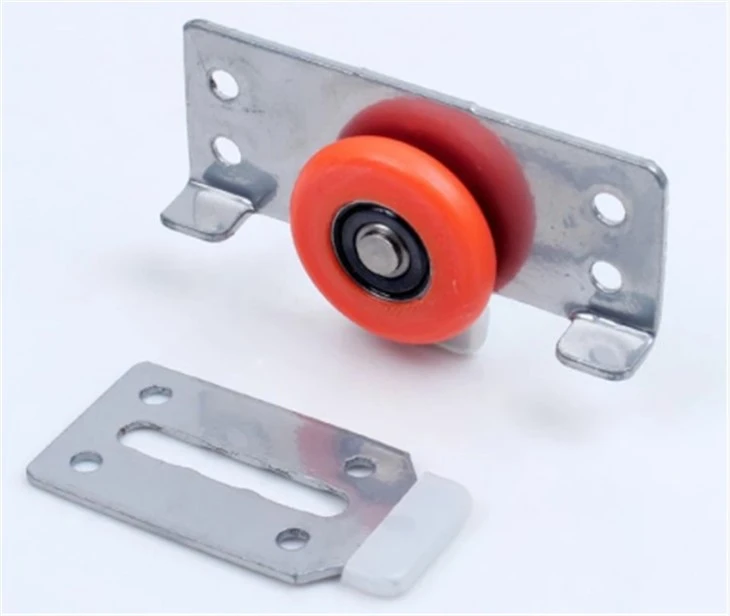

1. 3D Printing
In 3D printing, precise movement of the print head is crucial for creating accurate and detailed models. U Type Groove Pulleys can be used in the motion control system to drive the belts that move the print head. As long as the pulleys are made with high - quality materials and tight tolerances, they can provide the necessary accuracy and repeatability. However, any wear or misalignment can result in uneven layers or distorted prints.
2. Medical Equipment
Medical devices often require a high level of precision. For example, in an MRI machine, the movement of the patient table needs to be very precise. U Type Groove Pulleys can be used in the drive system of the table. The smooth operation and low - slippage characteristics of these pulleys can contribute to the overall precision of the equipment. But again, the quality of the pulley and its installation are key factors.
Comparison with Other Types of Pulleys
When it comes to high - precision applications, U Type Groove Pulleys are not the only option. There are other types of pulleys, such as V - belt pulleys and timing pulleys, that also have their own advantages.
V - belt pulleys are known for their high power - transmission capabilities. They have a V - shaped groove that provides a wedging action with the V - belt, which helps in increasing the friction and reducing slippage. However, they may not be as suitable for applications that require very precise speed control.
Timing pulleys, on the other hand, are specifically designed for high - precision work. They have teeth that mesh with the timing belt, which provides a positive drive and eliminates slippage. This makes them ideal for applications where precise synchronization is required, such as in servo motor systems.
So, compared to these other types of pulleys, U Type Groove Pulleys offer a balance between power transmission and some level of precision. They can be a good choice for applications where the precision requirements are not extremely high, but you still need a reliable and cost - effective solution.
Conclusion
So, are U Type Groove Pulleys suitable for high - precision applications? The answer is: it depends. If you're dealing with applications that have relatively moderate precision requirements, and you can ensure high - quality manufacturing, proper installation, and regular maintenance, then these pulleys can work well.
However, for applications with extremely high precision needs, such as in some aerospace or semiconductor manufacturing processes, you may need to consider other types of pulleys.
If you're interested in exploring our range of U Type Groove Pulleys or other related products like Door Bearing Wheels and 6200zz Garage Door Rollers, feel free to reach out. We're here to help you find the right solution for your specific application. Whether you're a small - scale manufacturer or a large - scale industrial operation, we can work with you to ensure you get the best - performing pulleys for your needs.
References
- "Mechanical Design Handbook" - A comprehensive guide on mechanical components and their design considerations.
- "Power Transmission Handbook" - Covers various aspects of power transmission systems, including pulleys and belts.
- Industry research reports on high - precision manufacturing and the use of pulleys in different applications.