Hey there! As a supplier of Paper Roller Bearings, I often get asked a bunch of questions about these nifty little components. One question that pops up quite a bit is, "Do paper roller bearings have a maximum allowable misalignment?" Well, let's dive right into it and find out.
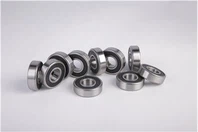
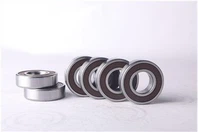
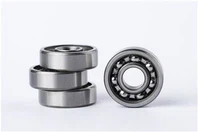
First off, let's talk a bit about what paper roller bearings are. They're a type of bearing made with a paper - based material in their construction. These bearings are known for being cost - effective, lightweight, and having good self - lubricating properties. They're used in a wide range of applications, from small household appliances to industrial machinery.
Now, onto the big question: maximum allowable misalignment. Every bearing has some tolerance for misalignment, and paper roller bearings are no exception. Misalignment can occur in different ways, like angular misalignment (when the axes of the shaft and the bearing are not parallel) or parallel misalignment (when the axes are parallel but offset).
The maximum allowable misalignment for paper roller bearings depends on several factors. One of the key factors is the design of the bearing itself. Different designs have different capabilities to handle misalignment. For example, some paper roller bearings are designed with a more flexible structure, which allows them to tolerate a bit more misalignment compared to others.
The operating conditions also play a huge role. If the bearing is operating in a high - speed environment, the maximum allowable misalignment will be lower. High - speed operation puts more stress on the bearing, and even a small amount of misalignment can cause excessive wear, vibration, and noise. On the other hand, in a low - speed application, the bearing can usually handle a bit more misalignment without significant issues.
The load that the bearing is carrying is another important factor. A bearing under a heavy load will have a lower maximum allowable misalignment. The load can cause the bearing to deform, and misalignment can exacerbate this deformation, leading to premature failure of the bearing.
Let's take a look at some real - world applications to understand this better. In Sliding Gate Roller Bearings, misalignment can occur due to uneven installation of the gate or wear and tear over time. If the misalignment exceeds the maximum allowable limit for the paper roller bearings used in these gates, the bearings can wear out quickly, and the gate may not operate smoothly.
In Industrial Roller Bearings, which are often used in conveyor systems and heavy - duty machinery, misalignment can lead to serious problems. These systems usually operate at high speeds and carry heavy loads. So, the maximum allowable misalignment for the paper roller bearings in these applications is quite low. Even a small misalignment can cause the bearings to overheat, which can damage the machinery and lead to costly downtime.
Door Bearing Wheels are another example. Misalignment in these bearings can make the door difficult to open and close. If the misalignment is too much, the paper roller bearings can break down, and the door may become inoperable.


To determine the maximum allowable misalignment for a specific paper roller bearing, it's best to refer to the manufacturer's specifications. These specs are based on extensive testing and research. The manufacturer will provide information on the angular and parallel misalignment limits for different models of bearings under various operating conditions.
It's also important to note that proper installation is crucial to keep the misalignment within the allowable limits. During installation, make sure that the shaft and the bearing housing are clean and free of any debris. Use the right tools to ensure accurate alignment. If you're not sure how to install the bearing correctly, it's a good idea to consult a professional.
Regular maintenance is another key aspect. Inspect the bearings regularly for signs of misalignment, such as abnormal wear, noise, or vibration. If you notice any of these signs, take action immediately. You may need to realign the bearing or replace it if the damage is too severe.
In conclusion, paper roller bearings do have a maximum allowable misalignment. This limit is determined by factors like the bearing design, operating conditions, and load. By understanding these factors and following the manufacturer's guidelines for installation and maintenance, you can ensure that your paper roller bearings perform optimally and have a long service life.
If you're in the market for high - quality paper roller bearings or have any questions about misalignment or other aspects of these bearings, don't hesitate to reach out. We're here to help you find the right bearings for your specific needs and ensure that they work perfectly in your applications. Whether it's for sliding gates, industrial machinery, or door bearing wheels, we've got you covered.
References
- Bearing Handbook: A comprehensive guide to bearing technology and applications.
- Industry research papers on bearing performance and misalignment.