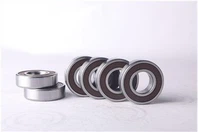
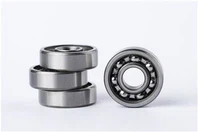
As a supplier of big ball bearings, I've had numerous discussions with clients about the functionality, durability, and cost - effectiveness of our products. However, an increasingly important topic that has emerged in recent conversations is the environmental impact of using big ball bearings. In this blog, I'll delve into this subject, exploring both the positive and negative aspects.
Positive Environmental Impacts
Energy Efficiency
One of the significant positive environmental impacts of big ball bearings is their contribution to energy efficiency. Big ball bearings are designed to reduce friction between moving parts. When machinery operates with less friction, it requires less energy to function. For example, in large industrial motors, the use of high - quality big ball bearings can lead to a substantial reduction in power consumption. This not only saves on energy costs for the end - user but also reduces the overall demand for electricity generation. Since a significant portion of electricity is still generated from non - renewable sources such as coal and natural gas, less energy consumption means fewer greenhouse gas emissions.


In the transportation sector, big ball bearings are used in vehicles, trains, and ships. In cars, for instance, bearings in the engine, transmission, and wheels help the vehicle move more smoothly. By reducing friction, the engine doesn't have to work as hard, which improves fuel efficiency. This directly translates to lower emissions of pollutants like carbon monoxide, nitrogen oxides, and particulate matter.
Longevity and Reduced Replacement Frequency
Big ball bearings are known for their durability. High - quality bearings can withstand heavy loads and harsh operating conditions for extended periods. This longevity means that they don't need to be replaced as frequently as other components. When a bearing lasts longer, it reduces the amount of waste generated from discarded parts. Fewer replacements also mean less production of new bearings, which in turn conserves raw materials and reduces the energy required for manufacturing.
For example, in large - scale manufacturing plants, a single big ball bearing can be in use for years. This is in contrast to some other mechanical parts that may need to be replaced every few months. By reducing the frequency of replacement, we can significantly cut down on the environmental footprint associated with the production and disposal of these components.
Negative Environmental Impacts
Raw Material Extraction
The production of big ball bearings requires various raw materials, including steel, chrome, and sometimes ceramic materials. The extraction of these raw materials has a significant environmental impact. Mining operations for iron ore (used to make steel) can lead to deforestation, soil erosion, and water pollution. The process of extracting and refining chrome also involves the use of large amounts of energy and can release harmful chemicals into the environment.
For example, open - pit mining for iron ore often destroys large areas of natural habitat, displacing wildlife and disrupting ecosystems. The chemicals used in the refining process, such as cyanide and sulfuric acid, can contaminate nearby water sources if not properly managed. These environmental impacts can have long - term consequences for the local environment and human health.
Manufacturing Processes
The manufacturing of big ball bearings is an energy - intensive process. It involves melting, forging, machining, and heat - treating the raw materials. These processes require large amounts of electricity and often use fossil fuels as an energy source. The high energy consumption leads to significant greenhouse gas emissions.
In addition, the machining process generates a large amount of waste material in the form of metal chips and shavings. Disposing of this waste can be a challenge, and if not done properly, it can contaminate soil and water. The heat - treating process also uses chemicals that can be harmful to the environment if released.
Disposal
When big ball bearings reach the end of their useful life, their disposal can pose environmental challenges. Most bearings are made of metal, and if not recycled properly, they end up in landfills. Metal in landfills can take a long time to decompose and may leach harmful substances into the soil and groundwater over time.
Even when recycling is attempted, the process is not always straightforward. Separating different types of metals and removing contaminants from used bearings can be energy - intensive and costly. As a result, a significant portion of used bearings may still end up in landfills.
Mitigating the Environmental Impact
Sustainable Sourcing of Raw Materials
As a supplier, we are committed to sourcing raw materials from sustainable mines. We work with suppliers who follow strict environmental regulations and use responsible mining practices. This includes reforestation efforts after mining operations, proper waste management, and the use of energy - efficient extraction methods. By supporting sustainable mining, we can reduce the negative environmental impact associated with raw material extraction.
Energy - Efficient Manufacturing
We are constantly investing in new technologies and equipment to make our manufacturing processes more energy - efficient. For example, we have installed high - efficiency furnaces and heat - treating equipment that consume less energy. We also use advanced machining techniques that generate less waste and require less energy. By optimizing our manufacturing processes, we can reduce our carbon footprint and the overall environmental impact of producing big ball bearings.
Recycling Initiatives
We encourage our customers to return used bearings for recycling. We have established a recycling program where we collect used bearings, clean and sort them, and then send them to recycling facilities. By recycling used bearings, we can conserve raw materials and reduce the energy required for new production.
Conclusion
In conclusion, the use of big ball bearings has both positive and negative environmental impacts. On one hand, they contribute to energy efficiency and reduce waste through their durability. On the other hand, the raw material extraction, manufacturing processes, and disposal of bearings can have significant environmental consequences. As a supplier, we are aware of these impacts and are taking steps to mitigate them.
If you are interested in learning more about our big ball bearings or our environmental initiatives, or if you are looking to purchase high - quality Track Bearing Roller and other big ball bearings for your business, we'd love to have a conversation with you. Please reach out to us to start a discussion about your specific needs and how we can provide sustainable and reliable bearing solutions.
References
- "Energy Efficiency in Industrial Bearings" - Journal of Mechanical Engineering
- "Environmental Impact of Mining Operations" - Environmental Science Review
- "Sustainable Manufacturing Practices in the Bearing Industry" - Manufacturing Technology Journal