Are paper roller bearings suitable for high - speed applications?
Hey there! I'm a supplier of paper roller bearings, and I often get asked if these bearings are a good fit for high - speed applications. Well, let's dig into this topic and find out.
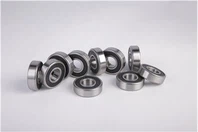
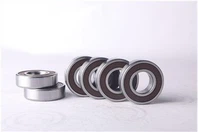
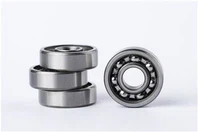
First off, let's talk a bit about what paper roller bearings are. They're made from paper - based materials that are often impregnated with various substances to enhance their properties. These bearings are known for being lightweight, which can be a real advantage in some applications.
When it comes to high - speed applications, there are a few key factors we need to consider. One of the most important is friction. In high - speed scenarios, friction can generate a ton of heat. If the bearing can't handle this heat, it can lead to premature wear and even failure.
Paper roller bearings have a relatively low coefficient of friction. This means that they don't generate as much heat as some other types of bearings when they're in motion. That's a big plus for high - speed applications. Less heat means less wear and tear on the bearing, which can extend its lifespan.
Another factor is lubrication. High - speed bearings need proper lubrication to keep them running smoothly. Paper roller bearings can be designed to hold lubricants well. The paper material can act like a sponge, soaking up the lubricant and releasing it gradually as the bearing rotates. This helps to keep the friction low and the bearing functioning properly even at high speeds.


However, there are also some potential downsides. Paper is not as strong as some metals or ceramics. In extremely high - speed applications where there are high loads or strong vibrations, the paper material might not be able to withstand the stress. The bearing could deform or break, which would obviously be a problem.
Let's look at some real - world examples. In industries like printing, where high - speed rollers are used, paper roller bearings can work really well. The relatively low loads and the need for smooth, quiet operation make them a suitable choice. You can check out Industrial Roller Bearings for more information on the types of bearings used in industrial settings.
On the other hand, in applications like high - performance automotive engines or high - speed machining, the demands are much higher. The high loads and extreme speeds might be too much for paper roller bearings. But in less demanding high - speed applications, they can be a cost - effective and efficient solution.
If you're in the market for garage door rollers, 6200zz Garage Door Rollers are a popular option. While these might not be high - speed in the traditional sense, they still need to operate smoothly. Paper roller bearings could potentially be used in such applications to provide a quiet and reliable operation.
U - shaped pulleys, like the U Type Groove Pulley, also need bearings that can handle the movement. Depending on the speed and load requirements of the pulley system, paper roller bearings could be a good fit.
So, are paper roller bearings suitable for high - speed applications? The answer is: it depends. They have some great features that make them suitable for certain high - speed scenarios, especially those with lower loads and less vibration. But in more extreme conditions, other types of bearings might be a better choice.
If you're thinking about using paper roller bearings for your high - speed application, I'd be more than happy to have a chat with you. I can help you figure out if they're the right fit for your specific needs. Just reach out, and we can start a discussion about your project.
References
- "Bearing Handbook" - A comprehensive guide on different types of bearings and their applications.
- Industry research papers on high - speed bearing performance and materials.