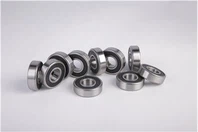
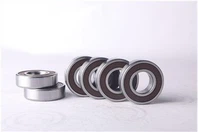
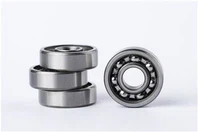
When it comes to high - precision applications, the choice of bearings is crucial. As a supplier of Paper Roller Bearing, I often receive inquiries about whether paper roller bearings are suitable for such demanding scenarios. In this blog, I'll delve into the characteristics of paper roller bearings and assess their viability for high - precision applications.

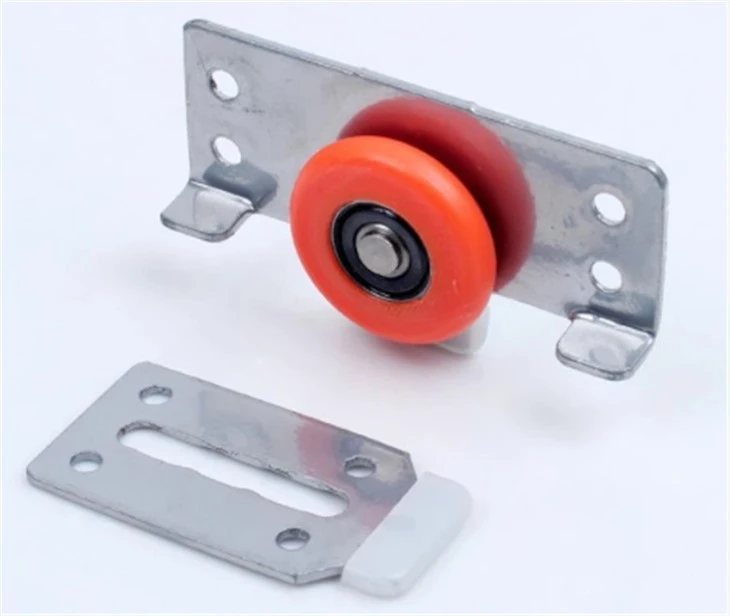
Understanding Paper Roller Bearings
Paper roller bearings are a type of bearing that has unique features. They are typically made with a combination of paper - based materials or have paper - like components in their structure. These bearings are known for their relatively low cost, lightweight nature, and self - lubricating properties. The paper - based materials can provide a certain degree of flexibility and shock absorption, which is beneficial in some applications.
One of the key advantages of paper roller bearings is their ability to operate in environments where noise reduction is important. The paper materials can dampen vibrations and reduce the noise generated during operation. This makes them suitable for applications such as household appliances, where quiet operation is highly valued.
Requirements of High - Precision Applications
High - precision applications demand a high level of accuracy, repeatability, and stability. In industries such as aerospace, medical equipment, and precision manufacturing, even the slightest deviation can lead to significant problems. For example, in a medical imaging device, a bearing with poor precision can result in blurry images, affecting the accuracy of diagnosis.
Precision bearings need to have tight tolerances in terms of dimensions, roundness, and surface finish. They should also be able to maintain their performance over long periods of time, with minimal wear and tear. Additionally, high - precision applications often require bearings to operate at high speeds with low friction, to ensure efficient and reliable operation.
Advantages of Paper Roller Bearings in High - Precision Applications
- Low Friction: Paper roller bearings can offer relatively low friction coefficients. This is beneficial in high - precision applications where minimizing energy loss and heat generation is important. Low friction also helps to improve the efficiency of the system and reduces the wear on other components.
- Self - Lubrication: The self - lubricating properties of paper roller bearings can be an advantage in high - precision applications. In some cases, it may be difficult or expensive to provide external lubrication. The self - lubricating nature of paper roller bearings eliminates the need for frequent lubrication, reducing maintenance requirements and the risk of contamination.
- Shock Absorption: As mentioned earlier, paper roller bearings can absorb shocks and vibrations. In high - precision applications, sudden shocks can disrupt the accuracy of the system. The shock - absorbing capabilities of paper roller bearings can help to protect the system from damage and maintain its precision.
Limitations of Paper Roller Bearings in High - Precision Applications
- Limited Load Capacity: Paper roller bearings generally have lower load - carrying capacities compared to some other types of bearings, such as steel ball bearings. In high - precision applications where heavy loads are involved, paper roller bearings may not be able to withstand the forces without deforming or failing.
- Temperature Sensitivity: The paper - based materials in paper roller bearings can be sensitive to temperature changes. Extreme temperatures can cause the paper to expand or contract, affecting the dimensions and performance of the bearing. In high - precision applications where temperature stability is crucial, this can be a significant drawback.
- Long - Term Precision: Over time, the paper materials in paper roller bearings may experience wear and degradation. This can lead to a decrease in precision and accuracy. In high - precision applications that require long - term stability, the long - term performance of paper roller bearings may not be sufficient.
Case Studies
Let's look at some real - world examples to better understand the suitability of paper roller bearings in high - precision applications.
In the field of consumer electronics, paper roller bearings are sometimes used in small motors for devices such as cameras and smartphones. These applications require a certain level of precision, but the loads are relatively light. The low - cost and quiet operation of paper roller bearings make them a viable option in these cases.
However, in the aerospace industry, where high - precision and high - load capabilities are essential, paper roller bearings are rarely used. Instead, more robust and precise bearings, such as ceramic ball bearings, are preferred.
Alternatives to Paper Roller Bearings in High - Precision Applications
If paper roller bearings are not suitable for a particular high - precision application, there are several alternatives available.
- Steel Ball Bearings: Steel ball bearings are widely used in high - precision applications. They offer high load - carrying capacities, excellent precision, and good temperature resistance. Sliding Gate Roller Bearings and 6200zz Garage Door Rollers are examples of products that use steel ball bearings for reliable and precise operation.
- Ceramic Ball Bearings: Ceramic ball bearings have even better performance in terms of precision, high - speed operation, and corrosion resistance compared to steel ball bearings. They are often used in high - end applications such as aerospace and high - performance machinery.
- Hydrodynamic Bearings: Hydrodynamic bearings use a thin film of fluid to support the load. They can provide very high levels of precision and are suitable for applications with high speeds and heavy loads.
Conclusion
Whether paper roller bearings are suitable for high - precision applications depends on the specific requirements of the application. While they offer some advantages such as low friction, self - lubrication, and shock absorption, they also have limitations in terms of load capacity, temperature sensitivity, and long - term precision.
In some low - load, low - temperature, and less - demanding high - precision applications, paper roller bearings can be a cost - effective and viable option. However, in applications where high loads, extreme temperatures, and long - term stability are required, other types of bearings may be more appropriate.
If you are considering using paper roller bearings for your high - precision application, I encourage you to contact us for a detailed discussion. Our team of experts can help you evaluate the suitability of paper roller bearings based on your specific needs and provide you with the best solutions. We are committed to providing high - quality paper roller bearings and excellent customer service. Let's work together to find the perfect bearing solution for your high - precision application.
References
- Harris, T. A., & Kotzalas, M. N. (2007). Rolling Bearing Analysis. Wiley.
- Stachowiak, G. W., & Batchelor, A. W. (2005). Engineering Tribology. Elsevier.