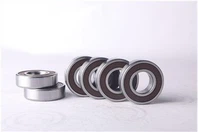
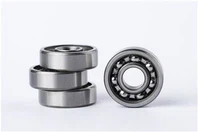
One-way rollers are critical components in many mechanical systems, providing the functionality of freewheeling in one direction while locking in the other. As a supplier of One Way Rollers, I often encounter questions from customers about their compatibility with different types of shafts. This blog post aims to delve into this topic, exploring the factors that determine compatibility and offering insights for those considering the use of one-way rollers in their applications.
Understanding One Way Rollers
Before discussing compatibility, it's essential to understand what One Way Rollers are and how they work. One Way Rollers, also known as overrunning clutches, are mechanical devices that allow a shaft to rotate freely in one direction while preventing rotation in the opposite direction. They consist of a series of rollers housed within a cage, which are designed to engage or disengage depending on the direction of rotation. When the shaft rotates in the freewheeling direction, the rollers are positioned in such a way that they do not interfere with the movement. However, when the shaft attempts to rotate in the locking direction, the rollers are forced into contact with the inner and outer races, creating a frictional force that prevents further rotation.
One of the key advantages of One Way Rollers is their ability to provide a simple and reliable solution for applications that require freewheeling or backstopping functionality. They are commonly used in a wide range of industries, including automotive, aerospace, industrial machinery, and power transmission. Some typical applications include conveyor systems, pumps, generators, and automotive transmissions.
Factors Affecting Compatibility
The compatibility of One Way Rollers with different types of shafts depends on several factors, including shaft diameter, shaft material, shaft surface finish, and operating conditions. Let's take a closer look at each of these factors:
Shaft Diameter
The shaft diameter is one of the most critical factors in determining compatibility. One Way Rollers are available in a variety of sizes, each designed to fit a specific range of shaft diameters. It's essential to select a one-way roller with an inner diameter that matches the shaft diameter precisely. A loose fit can result in excessive play, which can lead to premature wear and failure of the roller. On the other hand, a tight fit can cause excessive stress on the shaft and the roller, also leading to premature failure.
Shaft Material
The material of the shaft can also affect the compatibility of One Way Rollers. Different shaft materials have different hardness, strength, and surface properties, which can impact the performance and durability of the roller. For example, a shaft made of a soft material may deform under the load applied by the roller, leading to premature wear and failure. On the other hand, a shaft made of a hard material may cause excessive wear on the roller surface. It's important to select a one-way roller that is compatible with the shaft material to ensure optimal performance and longevity.
Shaft Surface Finish
The surface finish of the shaft is another important factor to consider. A smooth and clean shaft surface is essential for proper engagement and disengagement of the One Way Roller. A rough or dirty shaft surface can cause the rollers to slip or bind, leading to premature wear and failure. It's recommended to ensure that the shaft surface has a smooth finish and is free from any debris or contaminants before installing the one-way roller.
Operating Conditions
The operating conditions, such as speed, load, temperature, and lubrication, can also affect the compatibility of One Way Rollers with different types of shafts. High speeds and heavy loads can increase the stress on the roller and the shaft, requiring a more robust and durable one-way roller. Extreme temperatures can also affect the performance of the roller, as different materials have different thermal expansion coefficients. Proper lubrication is essential to reduce friction and wear between the roller and the shaft, ensuring smooth operation and extending the service life of the roller.

Compatibility with Different Types of Shafts
Now that we've discussed the factors affecting compatibility, let's explore the compatibility of One Way Rollers with different types of shafts:
Solid Shafts
Solid shafts are the most common type of shaft used in mechanical systems. They are typically made of steel or other metals and are available in a variety of diameters and lengths. One Way Rollers are generally compatible with solid shafts, provided that the shaft diameter, material, surface finish, and operating conditions are within the specifications of the roller. It's important to ensure that the shaft is properly machined and balanced to minimize vibration and stress on the roller.
Hollow Shafts
Hollow shafts are used in applications where weight reduction is a critical factor. They are typically made of steel or aluminum and have a hollow core, which reduces the weight of the shaft without sacrificing strength. One Way Rollers can be used with hollow shafts, but special considerations must be taken into account. The inner diameter of the hollow shaft must be large enough to accommodate the roller, and the wall thickness of the shaft must be sufficient to withstand the load applied by the roller. Additionally, the shaft must be properly supported and aligned to prevent deformation or bending under the load.
Splined Shafts
Splined shafts are used in applications where torque transmission is required. They have a series of teeth or splines on the outer surface of the shaft, which engage with corresponding splines on the mating component, such as a gear or a coupling. One Way Rollers can be used with splined shafts, but the splines must be properly designed and machined to ensure proper engagement and disengagement of the roller. The spline profile and pitch must match the specifications of the roller, and the spline surface must be smooth and free from any defects.
Keyed Shafts
Keyed shafts are used in applications where positive torque transmission is required. They have a keyway machined into the outer surface of the shaft, which engages with a key in the mating component, such as a pulley or a sprocket. One Way Rollers can be used with keyed shafts, but the keyway must be properly designed and machined to ensure proper engagement and disengagement of the roller. The keyway width and depth must match the specifications of the roller, and the key must be properly installed and secured to prevent movement or displacement.
Case Study: Compatibility of One Way Rollers with a 6205-ZZ Shaft
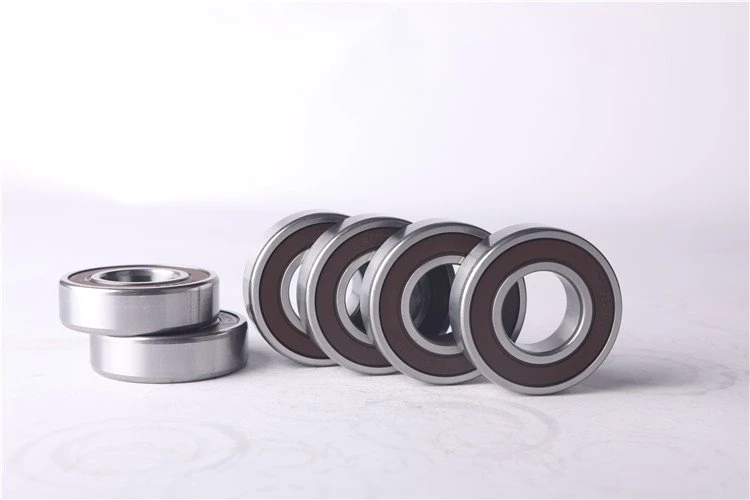
To illustrate the compatibility of One Way Rollers with different types of shafts, let's consider a case study of a 6205-ZZ shaft. The 6205-ZZ is a common type of deep groove ball bearing with a single row of balls and two non-contact seals. It is widely used in various mechanical applications, such as electric motors, pumps, and conveyors.
In this case study, we will assume that the 6205-ZZ shaft has a diameter of 25 mm, is made of steel, and has a smooth surface finish. The operating conditions include a moderate speed of 1000 RPM, a light load of 100 N, and a temperature range of -20°C to 80°C.
Based on these specifications, we can select a One Way Roller that is compatible with the 6205-ZZ shaft. The inner diameter of the roller should match the shaft diameter of 25 mm, and the material of the roller should be compatible with the steel shaft. The roller should also be designed to operate within the specified speed, load, and temperature range.
For this application, we recommend using a One Way Roller that is specifically designed for use with 6205-ZZ shafts. This roller is engineered to provide reliable freewheeling and backstopping functionality, ensuring smooth operation and long service life. It is made of high-quality materials and is designed to withstand the load and speed requirements of the application.
Conclusion
In conclusion, the compatibility of One Way Rollers with different types of shafts depends on several factors, including shaft diameter, shaft material, shaft surface finish, and operating conditions. By carefully considering these factors and selecting a one-way roller that is specifically designed for the application, you can ensure optimal performance and longevity of the roller.
As a supplier of One Way Rollers, we have extensive experience in providing high-quality rollers that are compatible with a wide range of shafts and applications. If you have any questions or need assistance in selecting the right one-way roller for your application, please do not hesitate to contact us. We are committed to providing our customers with the best products and services, and we look forward to working with you to meet your needs.
References
- "One Way Clutches and Overrunning Bearings," SKF Group, 2023.
- "Mechanical Design Handbook," McGraw-Hill Education, 2022.
- "Roller Bearings: Design, Selection, and Application," The Timken Company, 2021.