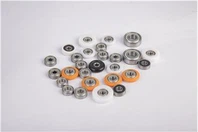
Hey there! As a supplier of Bearing 6311, I often get asked about the chemical resistance of this particular bearing. So, let's dive right into it and explore what makes Bearing 6311 stand up to various chemicals.
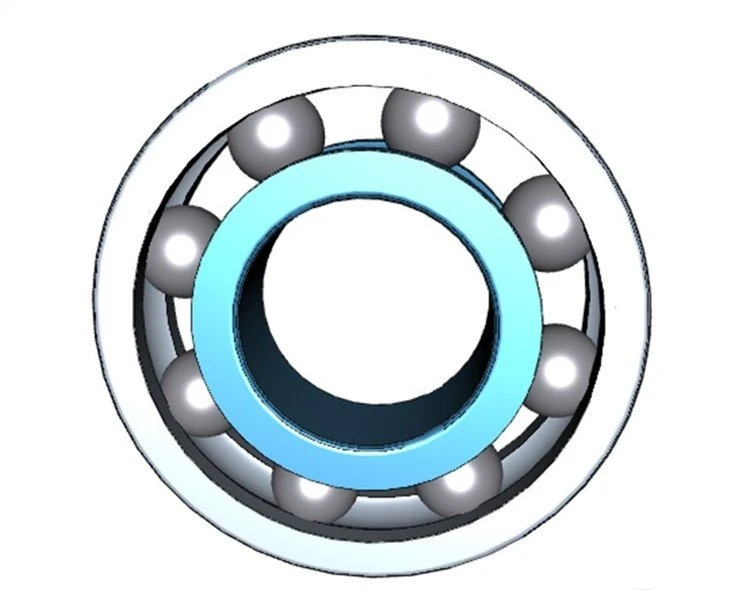
First off, let's understand what Bearing 6311 is. It's a type of ball bearing that's widely used in different industrial applications. You can find more details about it Bearing 6311. These bearings are designed to handle radial and axial loads, and they're known for their durability and reliability.
Now, when it comes to chemical resistance, it's all about how well the bearing can withstand exposure to different chemicals without getting damaged. The chemical resistance of Bearing 6311 depends on several factors, including the materials it's made of and the type of chemicals it comes into contact with.
The materials used in Bearing 6311 play a crucial role in its chemical resistance. Most of these bearings are made of high - quality steel. Steel is a common choice because it offers good strength and hardness. However, not all steels are created equal when it comes to chemical resistance. For example, stainless steel is much more resistant to corrosion compared to regular carbon steel. Some Bearing 6311 models are made of stainless steel, which gives them an edge when it comes to withstanding chemicals like acids and alkalis.
Let's talk about the different types of chemicals that Bearing 6311 might encounter in industrial settings.
Acids
Acids can be pretty harsh on bearings. Strong acids like sulfuric acid and hydrochloric acid can cause corrosion and pitting on the surface of the bearing. If a Bearing 6311 made of regular carbon steel is exposed to these acids, it will start to rust and deteriorate quickly. On the other hand, if it's a stainless - steel version, it can handle milder acidic environments better. But even stainless steel has its limits. Prolonged exposure to concentrated acids can still damage the bearing over time.
Alkalis
Alkalis, such as sodium hydroxide, can also have an impact on the chemical resistance of Bearing 6311. Similar to acids, the effect depends on the material of the bearing. Stainless - steel bearings are more resistant to alkalis than carbon - steel ones. In general, mild alkaline solutions might not cause significant damage to a well - made Bearing 6311, but stronger alkalis can break down the protective layer on the bearing surface and lead to corrosion.
Oils and Greases
Oils and greases are commonly used for lubricating bearings. They're usually not considered harmful to Bearing 6311. In fact, they can help protect the bearing from other chemicals by creating a barrier between the bearing surface and the surrounding environment. However, some synthetic oils and greases might contain additives that could potentially react with the bearing material under certain conditions. It's important to choose the right type of lubricant that's compatible with the bearing material to ensure optimal performance and chemical resistance.
Solvents
Solvents like acetone and toluene are often used for cleaning purposes in industrial facilities. These solvents can be aggressive towards the bearing if they're not used correctly. If a Bearing 6311 is soaked in a strong solvent for a long time, it can dissolve the lubricant, damage the surface finish, and even cause the bearing material to swell or crack. So, when using solvents to clean the bearing, it's essential to follow the manufacturer's guidelines and use them in a controlled manner.
To improve the chemical resistance of Bearing 6311, manufacturers can take several steps. One common method is to apply a protective coating on the bearing surface. Coatings can act as a shield against chemicals and prevent direct contact between the bearing material and the corrosive substances. There are different types of coatings available, such as epoxy coatings and ceramic coatings. Epoxy coatings are relatively inexpensive and offer good protection against general corrosion, while ceramic coatings are more durable and can withstand high - temperature and harsh chemical environments.
Another way to enhance chemical resistance is to heat - treat the bearing material. Heat treatment can change the microstructure of the steel, making it more resistant to corrosion. For example, through processes like quenching and tempering, the hardness and toughness of the bearing can be improved, which in turn increases its ability to withstand chemical attacks.
As a supplier of Bearing 6311, I understand the importance of providing bearings that can meet the diverse needs of my customers. Whether you're working in a chemical - processing plant, a food - processing facility, or any other industry where chemical exposure is a concern, I can help you choose the right Bearing 6311 with the appropriate chemical resistance.
If you're in the market for Bearing 6311 and have specific requirements regarding chemical resistance, don't hesitate to get in touch. We can discuss your application in detail and find the best solution for you. You can explore our full range of Bearing 6311 products Bearing 6311 to get a better idea of what we offer.
In conclusion, the chemical resistance of Bearing 6311 is a complex topic that depends on multiple factors. By understanding the materials, the types of chemicals it might encounter, and the methods to improve its resistance, you can make an informed decision when purchasing these bearings. So, if you need high - quality, chemically - resistant Bearing 6311, reach out to me, and let's work together to ensure your industrial equipment runs smoothly.
References

- Machinery's Handbook: A comprehensive guide to mechanical engineering, which provides in - depth information on bearing materials and their properties.
- Manufacturer's technical documents for Bearing 6311, which detail the chemical resistance specifications and recommended applications.