Hey there! As a supplier of One Way Rollers, I often get asked about the noise level of these nifty little components during operation. So, I thought I'd sit down and write a blog post to share what I know and clear up any questions you might have.
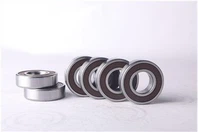
First off, let's talk a bit about what One Way Rollers are. If you're not familiar, you can check out One Way Roller for more info. These are special types of bearings that allow rotation in one direction while preventing it in the opposite direction. They're used in a wide range of applications, from automotive transmissions to industrial machinery.
Now, the noise level of One Way Rollers during operation can vary depending on several factors. One of the main factors is the quality of the manufacturing. High - quality One Way Rollers are made with precision, using top - notch materials and advanced production techniques. These tend to be quieter because the parts fit together better, and there's less friction and vibration. On the other hand, lower - quality rollers may have irregularities in the surfaces, which can lead to more noise as they operate.
Another factor is the load that the One Way Roller is subjected to. When a roller is under a heavy load, it has to work harder. This can cause more stress on the components, leading to increased noise. For example, in a high - torque automotive application, the One Way Roller might make more noise compared to a lighter - load application like a small conveyor belt.
The speed of operation also plays a role. Faster - moving One Way Rollers generate more noise than slower - moving ones. At high speeds, the forces acting on the roller increase, and any small imperfections in the design or manufacturing can become more pronounced, resulting in a noisier operation.
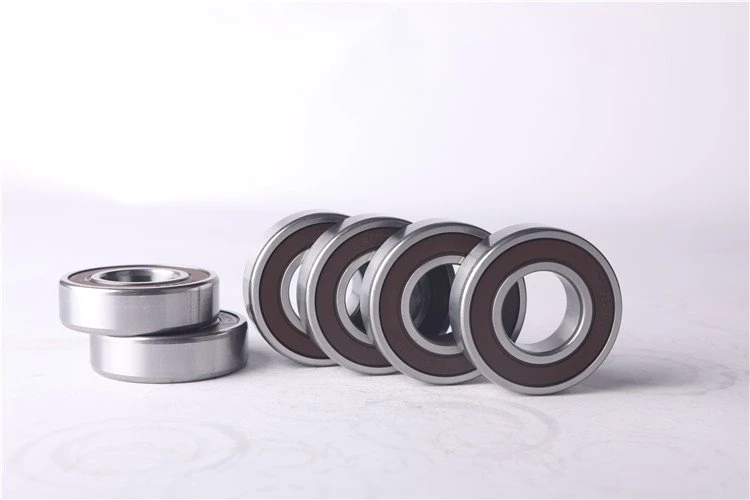
Let's take a look at a specific example, the 6205 - ZZ. This is a type of One Way Roller that's commonly used in various industries. In normal operating conditions, with a moderate load and speed, it's relatively quiet. But if you push it to its limits, say by increasing the load beyond its recommended capacity or running it at extremely high speeds, you'll start to notice more noise.
To measure the noise level of One Way Rollers, we usually use a sound level meter. This device can give us an accurate reading of the decibels (dB) produced by the roller during operation. In general, a well - made One Way Roller operating under normal conditions should produce noise levels in the range of 30 - 60 dB. That's about as loud as a quiet conversation or a gentle breeze. However, if there are issues like misalignment, improper lubrication, or wear and tear, the noise level can go up significantly, sometimes reaching 80 dB or more, which is comparable to the noise of a busy street.
Lubrication is super important when it comes to noise reduction. A properly lubricated One Way Roller will have less friction between its moving parts. This not only reduces wear but also cuts down on noise. There are different types of lubricants available, and choosing the right one depends on the application. For example, in high - temperature environments, you'll need a lubricant that can withstand the heat without breaking down.
Maintenance also has a big impact on the noise level. Regular inspections can help detect any early signs of problems, such as worn - out parts or misalignment. By replacing or adjusting these components in a timely manner, you can keep the noise level in check. For instance, if you notice that a roller is starting to make a strange noise, it could be a sign of a loose bearing or a damaged raceway. Fixing these issues right away can prevent the noise from getting worse.
Now, you might be wondering how our One Way Rollers stack up against the competition in terms of noise. Well, we take pride in our products. Our manufacturing process is highly controlled, and we use only the best materials. This means that our One Way Rollers are designed to be as quiet as possible during operation. We also offer a range of customization options, so you can get a roller that's tailored to your specific needs, whether it's for a low - noise application or one that can handle high loads.
If you're in the market for One Way Rollers and noise level is a concern for you, don't hesitate to get in touch. We can provide you with detailed information about the noise characteristics of our products, and we're more than happy to help you choose the right roller for your application. Whether you're an engineer looking for a solution for a new project or a maintenance technician trying to replace a worn - out roller, we've got you covered.

In conclusion, the noise level of One Way Rollers during operation depends on multiple factors, including manufacturing quality, load, speed, lubrication, and maintenance. By understanding these factors and taking the right steps, you can ensure that your One Way Rollers operate quietly and efficiently. If you have any questions or want to start a conversation about purchasing One Way Rollers, reach out to us. We're here to make your project a success!
References
- Bearing Handbook - A comprehensive guide on bearing operation and characteristics.
- Industrial Machinery Noise Standards - Published by relevant industry bodies.
- Automotive Transmission Engineering Manual - Covers the use of One Way Rollers in automotive applications.