As a supplier of Bearing 6008, I often get asked about the manufacturing standards of this particular bearing. In this blog post, I'll delve into the details of what goes into making a high - quality Bearing 6008, ensuring that you have a comprehensive understanding of its production process and the standards it adheres to.
Overview of Bearing 6008
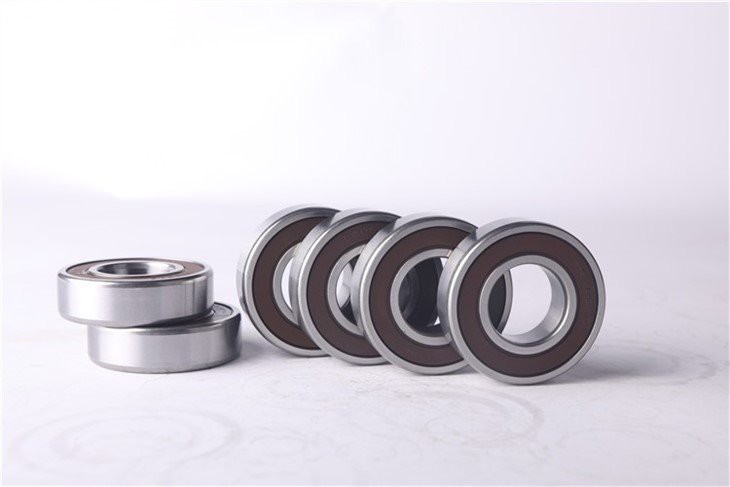
Bearing 6008 is a type of deep - groove ball bearing, which is widely used in various industries due to its simple structure, high efficiency, and low noise operation. It is designed to support both radial and axial loads, making it suitable for applications where smooth rotation and reliable performance are required. You can find more information about Bearing 6008 here.
Material Selection
The first step in the manufacturing of Bearing 6008 is the selection of appropriate materials. High - quality steel is the most commonly used material for the bearing rings and balls. For example, chromium steel, such as GCr15 in China (equivalent to AISI 52100 in the United States), is a popular choice. This type of steel has excellent hardness, wear resistance, and fatigue strength, which are crucial for the long - term performance of the bearing.
The chemical composition of the steel is strictly controlled during the manufacturing process. The carbon content in GCr15 steel is usually around 0.95% - 1.05%, which provides the necessary hardness after heat treatment. Chromium, with a content of about 1.30% - 1.65%, enhances the hardenability and corrosion resistance of the steel. Other elements, such as manganese, silicon, and sulfur, are also present in small amounts and are carefully regulated to ensure the desired mechanical properties.
Manufacturing Process
Forging
The manufacturing of Bearing 6008 starts with forging. The steel billets are heated to a high temperature and then forged into the approximate shape of the bearing rings. Forging helps to refine the grain structure of the steel, improving its mechanical properties. It also eliminates internal defects in the billet, such as porosity and inclusions, which could potentially reduce the bearing's lifespan.
Machining
After forging, the bearing rings undergo a series of machining operations. Turning is used to rough - shape the rings to the required dimensions. This process involves removing excess material from the outer and inner diameters of the rings. Next, grinding is performed to achieve the high - precision surface finish and dimensional accuracy required for the bearing. The grinding process is carefully controlled to ensure that the surface roughness and roundness of the rings meet the specified standards.
The balls of Bearing 6008 are also manufactured through a similar process. They are first cold - heading or hot - forging to form the basic spherical shape, and then ground and lapped to achieve the required size and surface finish.
Heat Treatment
Heat treatment is a critical step in the manufacturing of Bearing 6008. It is used to enhance the hardness, wear resistance, and fatigue strength of the bearing components. The most common heat treatment process for bearing steel is quenching and tempering.
During quenching, the bearing rings and balls are heated to a specific temperature (usually around 840 - 860°C for GCr15 steel) and then rapidly cooled in a quenching medium, such as oil or water. This process transforms the microstructure of the steel into martensite, which is extremely hard. However, martensite is also brittle, so tempering is carried out immediately after quenching. Tempering involves heating the quenched components to a lower temperature (around 150 - 200°C) for a certain period of time to relieve internal stresses and improve the toughness of the material.

Assembly
Once the individual components (rings and balls) are manufactured and heat - treated, they are ready for assembly. The assembly process of Bearing 6008 is a delicate operation that requires high precision. The balls are carefully placed between the inner and outer rings, and a cage is used to separate the balls evenly and maintain their proper spacing. The cage can be made of various materials, such as steel, brass, or engineering plastics, depending on the application requirements.
After assembly, the bearing is lubricated with a suitable lubricant to reduce friction and wear during operation. The type of lubricant used depends on factors such as the operating temperature, speed, and load of the bearing.
Quality Control
Quality control is an integral part of the manufacturing process of Bearing 6008. At every stage of production, strict inspections are carried out to ensure that the bearing meets the required standards.

Dimensional Inspection
Dimensional accuracy is crucial for the proper functioning of the bearing. Advanced measuring instruments, such as micrometers, calipers, and coordinate measuring machines (CMMs), are used to measure the outer diameter, inner diameter, width, and other dimensions of the bearing components. Any deviation from the specified tolerances can lead to problems such as excessive clearance, misalignment, or premature wear.
Surface Inspection
The surface quality of the bearing components is also carefully inspected. Visual inspection and non - destructive testing methods, such as magnetic particle inspection and ultrasonic testing, are used to detect surface defects, such as cracks, scratches, and inclusions. Surface roughness is measured using profilometers to ensure that it meets the required standards.
Performance Testing
Before the bearing is shipped to the customer, it undergoes performance testing. This includes tests for radial and axial load capacity, rotational speed, and noise level. The bearing is tested under simulated operating conditions to ensure that it can perform reliably in real - world applications.
Applications of Bearing 6008
Bearing 6008 is widely used in many industries. It can be found in household appliances, internal combustion engines, transportation vehicles, agricultural machinery, and construction machinery. In household appliances, such as washing machines and refrigerators, Bearing 6008 provides smooth and reliable rotation for the motors and other moving parts. In transportation vehicles, it is used in the wheels, transmissions, and engines to support various loads and ensure efficient operation.
Another example is the Motorcycle Parts Bearing 6301 - 2RS. Although it is a different bearing model, it also follows similar manufacturing principles and quality control processes. The high - quality manufacturing standards ensure that these bearings can withstand the harsh operating conditions in motorcycles, such as high speeds, vibrations, and variable loads.
Conclusion
In conclusion, the manufacturing of Bearing 6008 is a complex process that involves multiple steps, from material selection to quality control. By adhering to strict manufacturing standards, we can ensure that the bearings we supply are of high quality and can meet the diverse needs of our customers.
If you are interested in purchasing Bearing 6008 or have any questions about our products, please feel free to contact us for further discussion. We are committed to providing you with the best products and services.
References
- Harris, T. A., & Kotzalas, M. N. (2007). Rolling Bearing Analysis. John Wiley & Sons.
- SKF Rolling Bearing Handbook. SKF Group.