The load - bearing capacity of a U - type groove pulley is a crucial factor that many customers consider when making a purchase. As a supplier of U - type groove pulleys, I understand the importance of this parameter and am eager to share some in - depth knowledge about it.
Understanding the Basics of U - Type Groove Pulleys
U - type groove pulleys are widely used in various industries due to their unique design. The U - shaped groove is designed to hold a belt, rope, or cable securely, allowing for efficient power transmission and movement. These pulleys can be found in conveyor systems, garage doors, sliding gates, and many other applications.
Factors Affecting the Load - Bearing Capacity
- Material of the Pulley
- The material from which the U - type groove pulley is made significantly impacts its load - bearing capacity. Common materials include steel, aluminum, and plastic. Steel pulleys are known for their high strength and durability. They can withstand heavy loads and are often used in industrial applications where large amounts of weight need to be moved. For example, in a large - scale manufacturing plant's conveyor system, steel U - type groove pulleys can handle the weight of heavy products being transported.
- Aluminum pulleys are lighter than steel but still offer a good balance of strength and weight. They are suitable for applications where weight reduction is important, such as in some aerospace or automotive components. However, their load - bearing capacity is generally lower than that of steel pulleys.
- Plastic pulleys are the lightest option and are often used in low - load applications. They are corrosion - resistant and can be a cost - effective choice for small - scale projects or home - use equipment.
- Size and Dimensions
- The diameter and width of the U - type groove pulley play a vital role in determining its load - bearing capacity. A larger - diameter pulley can generally handle more load because it distributes the force over a larger area. For instance, in a large - scale mining operation, large - diameter U - type groove pulleys are used in conveyor belts to transport tons of ore.
- The width of the groove also matters. A wider groove can accommodate a wider belt or rope, which can increase the load - bearing capacity. This is important in applications where a large amount of power needs to be transmitted, such as in heavy - duty machinery.
- Bearing Quality
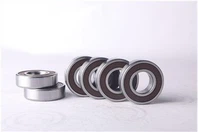
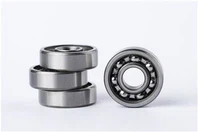
- The bearings inside the U - type groove pulley are essential for its smooth operation and load - bearing capacity. High - quality bearings can reduce friction and wear, allowing the pulley to handle heavier loads. For example, 6200zz Garage Door Rollers use high - precision bearings that can withstand the repeated opening and closing of garage doors, handling the weight of the door itself.
- Poor - quality bearings can lead to premature failure, reduced load - bearing capacity, and increased maintenance costs. It is crucial to choose pulleys with reliable bearings to ensure long - term performance.
Calculating the Load - Bearing Capacity
Calculating the exact load - bearing capacity of a U - type groove pulley is a complex process that requires considering multiple factors. Manufacturers usually conduct extensive testing to determine the safe working load (SWL) of their pulleys. This involves applying different loads to the pulley under controlled conditions and monitoring its performance.

In general, the following steps can be used as a rough guide to estimate the load - bearing capacity:
- Determine the type of load: There are two main types of loads - static and dynamic. Static loads are constant and do not change over time, such as the weight of a stationary object on a conveyor belt. Dynamic loads, on the other hand, are variable and can include forces such as acceleration, deceleration, and vibration. Dynamic loads are more challenging to handle and usually require a pulley with a higher load - bearing capacity.
- Consider the operating environment: Factors such as temperature, humidity, and the presence of dust or corrosive substances can affect the load - bearing capacity of the pulley. For example, in a hot and humid environment, the material of the pulley may expand or corrode, reducing its strength. In such cases, it may be necessary to choose a pulley with a higher rated load - bearing capacity.
- Refer to the manufacturer's specifications: Manufacturers usually provide detailed specifications about the load - bearing capacity of their U - type groove pulleys. These specifications take into account the material, size, and bearing quality of the pulley. It is important to carefully read and follow these specifications to ensure safe and efficient operation.
Applications and Their Load Requirements
- Garage Doors
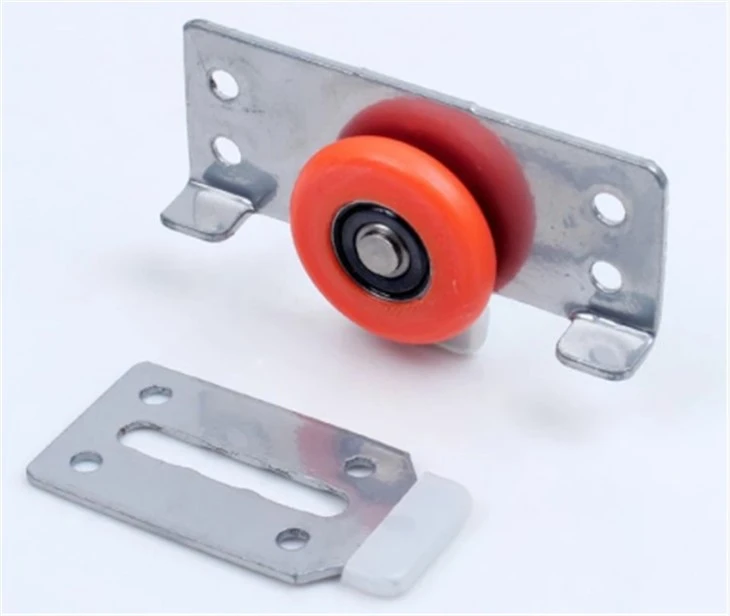
- Garage doors typically use U - type groove pulleys in their lifting mechanisms. The load - bearing capacity required for garage door pulleys depends on the size and weight of the door. A standard single - car garage door may weigh around 100 - 200 pounds, while a larger double - car garage door can weigh up to 400 pounds or more. 6200zz Garage Door Rollers are designed to handle these loads and provide smooth operation.
- Sliding Gates
- Sliding gates are another common application for U - type groove pulleys. The load - bearing capacity needed for sliding gate pulleys depends on the length, width, and material of the gate. A small residential sliding gate may weigh a few hundred pounds, while a large commercial sliding gate can weigh several thousand pounds. Sliding Gate Roller Bearings are engineered to handle these varying loads and ensure the smooth movement of the gate.
- Conveyor Systems
- Conveyor systems are used in a wide range of industries, from food processing to manufacturing. The load - bearing capacity of U - type groove pulleys in conveyor systems depends on the type of products being transported, the speed of the conveyor, and the length of the conveyor. In a food processing plant, where light - weight food products are being transported, the load - bearing requirements may be relatively low. However, in a steel manufacturing plant, where heavy steel bars are being moved, the pulleys need to have a high load - bearing capacity.
Importance of Choosing the Right Load - Bearing Capacity
Choosing the right load - bearing capacity for a U - type groove pulley is crucial for several reasons. Firstly, if the pulley is overloaded, it can lead to premature failure. This can result in costly downtime, especially in industrial applications where production may be halted. Secondly, an overloaded pulley can also pose a safety risk. For example, in a garage door system, if the pulley fails due to overloading, the door may fall unexpectedly, causing injury or damage.
On the other hand, choosing a pulley with a much higher load - bearing capacity than necessary can be wasteful. It may increase the cost of the equipment without providing any additional benefits. Therefore, it is important to accurately assess the load requirements and choose a pulley with an appropriate load - bearing capacity.
Conclusion
As a supplier of U - type groove pulleys, I am committed to providing our customers with high - quality products that meet their specific load - bearing requirements. We understand that different applications have different needs, and we offer a wide range of pulleys made from various materials and with different sizes and load - bearing capacities.
If you are in the market for U - type groove pulleys or related products such as 6200zz Garage Door Rollers, Paper Roller Bearing, or Sliding Gate Roller Bearings, please feel free to contact us. Our team of experts is ready to assist you in choosing the right products for your application. We can help you determine the appropriate load - bearing capacity and ensure that you get the best value for your money. Let's work together to find the perfect solution for your needs.
References
- Machinery's Handbook: A comprehensive reference book for mechanical engineers, which provides detailed information on pulley design and load - bearing calculations.
- Manufacturer's specifications: Information provided by pulley manufacturers about the load - bearing capacity and other technical details of their products.