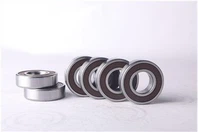
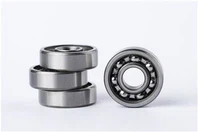
As a supplier of Bearing 6311, I am often asked about the environmental protection performance of this product. In this blog post, I will delve into the various aspects of the environmental protection performance of Bearing 6311, exploring how it aligns with modern environmental standards and contributes to sustainable development.
Material Selection and Manufacturing Processes
The environmental impact of a bearing starts with the materials used in its production. For Bearing 6311, high - quality steel is the primary material. This steel is carefully selected to ensure not only the mechanical performance of the bearing but also its environmental friendliness.
In the manufacturing process, we adhere to strict environmental regulations. Our factories are equipped with advanced waste treatment systems that can effectively handle the waste generated during production. For example, the metal shavings produced during machining are recycled and reused as much as possible. This reduces the demand for virgin materials, conserving natural resources. Additionally, the lubricants used in the manufacturing and operation of Bearing 6311 are carefully chosen. We use biodegradable lubricants whenever possible, which can break down naturally in the environment, reducing the pollution risk associated with traditional lubricants.
Energy Efficiency
One of the significant aspects of the environmental protection performance of Bearing 6311 is its energy efficiency. A well - designed bearing can reduce energy consumption in machinery. Bearing 6311 is engineered with low - friction characteristics. When installed in equipment such as motors, pumps, or conveyor systems, it minimizes the energy lost due to friction.
Lower friction means that the machinery requires less power to operate. For industrial applications, this can lead to substantial energy savings over time. In large - scale manufacturing plants, where multiple pieces of equipment are in operation, the cumulative energy savings from using Bearing 6311 can be quite significant. This not only reduces the operational costs for the end - users but also decreases the overall carbon footprint associated with energy production.
Durability and Longevity
Another key factor in the environmental performance of Bearing 6311 is its durability. A long - lasting bearing reduces the frequency of replacements, which in turn reduces the amount of waste generated. Our Bearing 6311 is designed to withstand high loads and harsh operating conditions. It has a high fatigue life, which means it can operate for an extended period without failure.
When a bearing lasts longer, it also reduces the need for frequent maintenance and replacement parts. This is beneficial for the environment as it reduces the production and transportation of new bearings and parts. Additionally, fewer replacements mean less waste going to landfills, contributing to a more circular economy.
Noise and Vibration Reduction
Bearing 6311 is also designed to reduce noise and vibration in machinery. Excessive noise and vibration not only cause discomfort to operators but can also be a sign of inefficient operation and increased wear and tear. By minimizing noise and vibration, Bearing 6311 improves the overall working environment.
From an environmental perspective, quieter machinery can have a positive impact on the surrounding area. In industrial settings, reducing noise pollution can benefit nearby communities. Moreover, less vibration means less stress on the machinery components, which can extend the lifespan of the entire system, further contributing to resource conservation.

Compliance with Environmental Standards
Our Bearing 6311 complies with a range of international environmental standards. For example, it meets the requirements of the Restriction of Hazardous Substances (RoHS) directive. This means that the bearing does not contain harmful substances such as lead, mercury, cadmium, hexavalent chromium, polybrominated biphenyls (PBBs), and polybrominated diphenyl ethers (PBDEs).
Compliance with RoHS and other environmental regulations ensures that the bearing is safe for use in various applications and does not pose a risk to human health or the environment. It also allows our customers to use the bearing in regions with strict environmental requirements, facilitating international trade and sustainable development.
Comparison with Traditional Bearings
When compared with traditional bearings, Bearing 6311 offers significant environmental advantages. Traditional bearings may use materials and manufacturing processes that are less environmentally friendly. For example, some older - style bearings may use lubricants that are not biodegradable or may be made from materials that are more difficult to recycle.
In terms of energy efficiency, traditional bearings often have higher friction coefficients, which leads to increased energy consumption. Their shorter lifespan also means more frequent replacements, generating more waste. By choosing Bearing 6311, customers can make a more sustainable choice and contribute to a greener future.
Conclusion and Call to Action
In conclusion, Bearing 6311 demonstrates excellent environmental protection performance in multiple aspects, including material selection, energy efficiency, durability, noise reduction, and compliance with environmental standards. As a supplier, we are committed to continuously improving the environmental performance of our products.
If you are interested in learning more about Bearing 6311 or are considering purchasing it for your applications, please visit our product page Bearing 6311. We are more than happy to have in - depth discussions with you about how our Bearing can meet your specific needs while also contributing to environmental protection. Contact us to start the procurement negotiation process and take a step towards a more sustainable operation.
References
- ISO 14001:2015 Environmental management systems - Requirements with guidance for use.
- RoHS Directive 2011/65/EU on the restriction of the use of certain hazardous substances in electrical and electronic equipment.
- Literature on bearing design and manufacturing processes from leading industry associations.