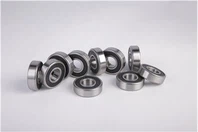
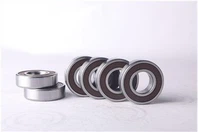
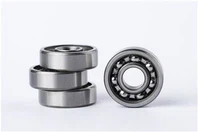
Hey there! As a supplier of Paper Roller Bearings, I've spent a ton of time diving into all sorts of factors that can impact their performance. One of the key things I've been looking into lately is the effect of lubricant viscosity on these bearings.
First off, let's talk about what lubricant viscosity actually means. Viscosity is basically a measure of a fluid's resistance to flow. You can think of it as how "thick" or "thin" a lubricant is. A lubricant with high viscosity is thick and kind of sticky, like honey. On the other hand, a low - viscosity lubricant is thin and runs more like water.
So, why is the viscosity of the lubricant so important for paper roller bearings? Well, these bearings play a crucial role in the paper - making industry. They help guide the paper through different stages of the manufacturing process, like cutting, printing, and rolling. And like any other type of bearing, they need proper lubrication to work effectively and last a long time.
When we're dealing with paper roller bearings, the right lubricant viscosity can make a world of difference in terms of reducing friction and wear. If the viscosity is too low, the lubricant won't be able to form a thick enough film between the moving parts of the bearing. This can lead to metal - to - metal contact, which causes a lot of friction. Increased friction means more heat generation, and that's bad news for the bearing. It can cause premature wear, damage the bearing surfaces, and even lead to bearing failure.
Let me give you an example. Imagine a high - speed paper - rolling machine. The paper roller bearings in this machine are spinning at a really fast pace. If we use a low - viscosity lubricant, it might get squeezed out of the contact areas between the rollers and the bearing races too quickly. As a result, the bearings won't be properly protected, and you'll start to see signs of wear and tear much sooner than you should.
Conversely, if the lubricant viscosity is too high, it can also cause problems. A thick lubricant can create excessive resistance to the rotation of the bearings. This means the bearings have to work harder to turn, which requires more energy. It can also lead to an increase in operating temperatures. In some cases, a very high - viscosity lubricant might even cause the bearings to seize up. So, you can see that finding the sweet spot in terms of lubricant viscosity is super important.
Now, let's talk about some of the specific impacts of lubricant viscosity on paper roller bearings.
1. Friction Reduction
As I mentioned earlier, the main purpose of lubrication is to reduce friction between the moving parts. A properly viscous lubricant forms a thin and stable film on the surfaces of the rollers and the bearing races. This film acts as a buffer, preventing direct contact and reducing the frictional forces. When the friction is low, the bearings can rotate smoothly, which not only improves the performance of the paper - making machinery but also extends the lifespan of the bearings.
2. Wear Prevention
Friction can cause wear and tear on the bearing surfaces. Over time, this can lead to pitting, scoring, and other forms of damage. By using a lubricant with the right viscosity, we can minimize this wear. The lubricant film helps to distribute the load evenly across the bearing surfaces, reducing the stress on individual points. This way, the bearings can withstand the forces applied to them during operation and maintain their integrity for a longer period.

3. Heat Dissipation
Friction generates heat, and excessive heat can be harmful to paper roller bearings. A lubricant with the appropriate viscosity can help dissipate this heat. The lubricant absorbs the heat generated by friction and transfers it away from the bearing. If the viscosity is right, the lubricant can flow easily through the bearing system, carrying the heat to cooler parts of the machinery. In contrast, a lubricant with the wrong viscosity might not be able to perform this heat - transfer function effectively, leading to a build - up of heat and potential damage to the bearings.
4. Noise and Vibration Reduction
When the bearings are properly lubricated with a lubricant of the correct viscosity, they operate more quietly and with less vibration. A smooth - running bearing is essential for the quality of the paper - making process. Excessive noise and vibration can cause inaccuracies in paper positioning and cutting, as well as affect the overall efficiency of the machinery.
So, how do we choose the right lubricant viscosity for paper roller bearings? Well, it depends on several factors.
Speed
The rotational speed of the bearings is a major factor. In high - speed applications, a lower - viscosity lubricant is often preferred because it can flow quickly and easily around the moving parts. This helps to reduce the drag and heat generated. On the other hand, for low - speed applications, a higher - viscosity lubricant might be better as it can provide more protection against wear.
Load
The amount of load that the bearings have to carry also matters. If the bearings are subjected to heavy loads, a higher - viscosity lubricant is usually required. The thicker lubricant can withstand the pressure and maintain the lubricating film between the parts. In light - load applications, a lower - viscosity lubricant may be sufficient.
Temperature
The operating temperature of the paper - making environment is another important consideration. Lubricants tend to change their viscosity with temperature. At high temperatures, a lubricant might become thinner, while at low temperatures, it can thicken. So, we need to choose a lubricant with a viscosity that remains stable over the expected temperature range of the application.
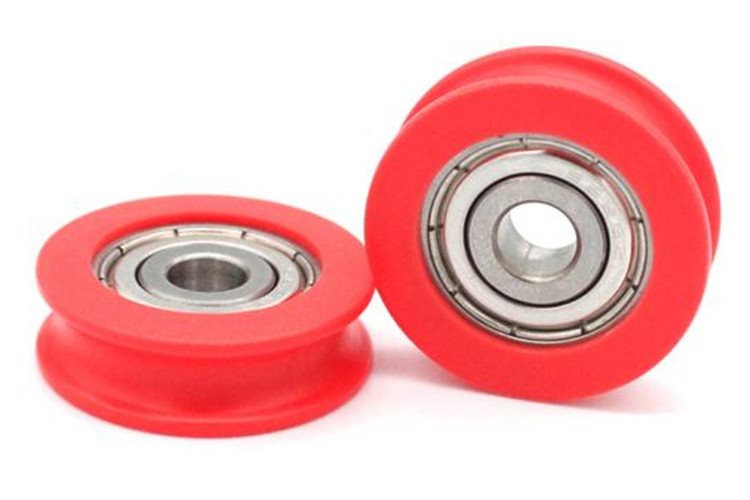
As a Paper Roller Bearing supplier, I understand the critical role that lubricant viscosity plays in the performance of our products. That's why I always try to educate my customers about the importance of using the right lubricant. In addition to Paper Roller Bearings, we also offer a range of other high - quality products, such as U Type Groove Pulley, Industrial Roller Bearings, and Door Bearing Wheels.
If you're in the market for Paper Roller Bearings or any of our other products, I'd love to have a chat with you. Whether you need help choosing the right lubricant viscosity or have questions about our bearing products, don't hesitate to reach out. We're here to ensure that you get the best possible performance and value from our bearings. Let's work together to optimize your paper - making operations.
References
- "Bearing Lubrication Handbook" by SKF Bearings
- "Fundamentals of Machine Elements" by Robert L. Norton
- "The Role of Lubrication in Industrial Bearings" - A white paper from NSK Bearings