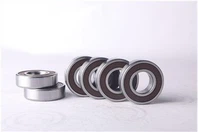
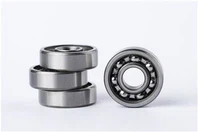
Hey there! As a supplier of U Type Groove Pulleys, I often get asked about all sorts of technical details. One question that pops up quite a bit is, "What is the coefficient of thermal expansion of U Type Groove Pulleys?" Let's dive into this topic and break it down in a way that's easy to understand.
First off, let's talk about what the coefficient of thermal expansion actually means. In simple terms, it's a measure of how much a material expands or contracts when its temperature changes. Every material has its own unique coefficient of thermal expansion, and this can have a big impact on how it performs in different environments.
For U Type Groove Pulleys, which are used in a variety of applications like conveyor systems, power transmission, and even some DIY projects, understanding the coefficient of thermal expansion is crucial. If a pulley expands or contracts too much due to temperature changes, it can lead to all sorts of problems. For example, it might not fit properly in its housing, or it could cause misalignment in the system, which can lead to increased wear and tear on other components.
So, what affects the coefficient of thermal expansion of U Type Groove Pulleys? Well, it mainly depends on the material the pulley is made of. Most U Type Groove Pulleys are made from metals like steel or aluminum, but there are also some made from plastics or composites. Each of these materials has a different coefficient of thermal expansion.


Steel is a popular choice for U Type Groove Pulleys because it's strong and durable. The coefficient of thermal expansion for steel is relatively low, which means it doesn't expand or contract too much with temperature changes. This makes it a great option for applications where stability is important. However, it's not completely immune to thermal effects. In extreme temperature conditions, steel pulleys can still experience some expansion or contraction, which is why it's important to take this into account when designing a system.
Aluminum, on the other hand, has a higher coefficient of thermal expansion compared to steel. This means that aluminum U Type Groove Pulleys will expand and contract more with temperature changes. While this might seem like a drawback, it can also be an advantage in some situations. Aluminum is lighter than steel, which can be beneficial for applications where weight is a concern. And in some cases, the increased expansion and contraction can actually help to compensate for other factors in the system.
Plastic and composite U Type Groove Pulleys have their own unique coefficients of thermal expansion as well. Plastics generally have a higher coefficient of thermal expansion than metals, which means they can expand and contract quite a bit with temperature changes. This can be a challenge when using plastic pulleys in applications where precision is required. However, plastics also have some advantages, such as being corrosion-resistant and having a lower cost.
So, how do you determine the coefficient of thermal expansion for a specific U Type Groove Pulley? Well, the best way is to refer to the manufacturer's specifications. Most manufacturers will provide this information for their products, along with other important technical details. If you can't find the information you need, you can also try contacting the manufacturer directly. They should be able to give you the exact coefficient of thermal expansion for their U Type Groove Pulleys.
Now, let's talk about why this matters for you as a potential buyer. If you're using U Type Groove Pulleys in an application where temperature changes are significant, you need to make sure you choose the right material with the appropriate coefficient of thermal expansion. For example, if you're using the pulleys in a hot environment, you might want to choose a material with a lower coefficient of thermal expansion to minimize the risk of expansion-related problems. On the other hand, if weight is a major concern and the temperature changes are not too extreme, an aluminum pulley might be a good choice.
At our company, we offer a wide range of U Type Groove Pulleys made from different materials to suit your specific needs. Whether you need a steel pulley for maximum durability or an aluminum pulley for lightweight applications, we've got you covered. You can check out our U Type Groove Pulley page to see our full selection.
In addition to U Type Groove Pulleys, we also offer other related products like 6200zz Garage Door Rollers and Industrial Roller Bearings. These products are all designed to work together seamlessly to provide you with a reliable and efficient system.
If you're interested in learning more about our products or have any questions about the coefficient of thermal expansion or any other technical details, don't hesitate to reach out. We're here to help you make the right choice for your application. Whether you're a small business owner looking for a few pulleys for a DIY project or a large industrial company in need of a bulk order, we can provide you with the products and support you need.
In conclusion, understanding the coefficient of thermal expansion of U Type Groove Pulleys is an important part of choosing the right product for your application. By considering the material, the temperature conditions, and your specific requirements, you can ensure that your pulleys will perform well and last for a long time. So, if you're in the market for U Type Groove Pulleys or any of our other products, give us a call or send us an email. We're looking forward to working with you!
References
- Material Science textbooks for general information on coefficients of thermal expansion
- Manufacturer's product specifications for specific U Type Groove Pulley details